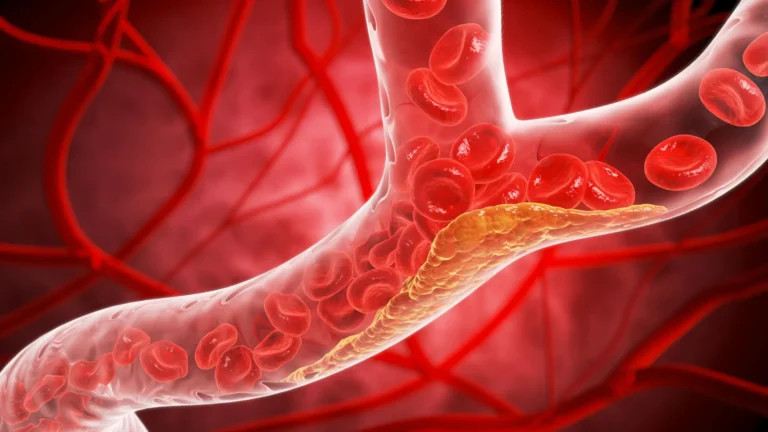




The landscape of American public health is facing a quiet, yet seismic shift. A landmark scientific statement published in the American Heart Association’s flagship journal, Circulation, paints a sobering portrait of the next quarter-century: by 2050, nearly 6 in 10 women in the United States are projected to be living with some form of cardiovascular disease (CVD).
The report, titled "Forecasting the Burden of Cardiovascular Disease and Stroke in the United States Through 2050 in Women," serves as a clarion call to medical professionals, policymakers, and the public. As high blood pressure, obesity, and diabetes rates climb, the burden on women’s health is no longer a distant concern—it is an impending epidemic that demands immediate, structural, and individual intervention.
The Magnitude of the Challenge: Main Facts
Cardiovascular disease is not merely a "man’s disease," a persistent misconception that has clouded public awareness for decades. It is the leading cause of death for women in the United States, claiming one out of every three lives. Currently, over 62 million American women are living with some form of heart disease, stroke, or related condition, incurring an annual economic price tag of at least $200 billion.
The projection that 60% of the female population will face these conditions by 2050 suggests that the current trajectory is unsustainable. Experts note that the primary drivers of this surge are the rising prevalence of metabolic risk factors, including hypertension, systemic obesity, and insulin resistance. The data indicates that unless radical shifts in prevention and lifestyle management occur, the U.S. healthcare system will be overwhelmed by the long-term treatment costs and the sheer volume of patients requiring chronic care for heart failure, atrial fibrillation, and stroke.
A Chronological Forecast: The Path to 2050
The report utilizes advanced simulation modeling to predict how these health trends will unfold over the next 25 to 30 years.
The Short-Term Outlook (2025–2030)
Even in the immediate future, researchers are identifying alarming patterns. Younger women—once considered a low-risk demographic—are seeing notable increases in early-stage cardiovascular risk. By 2025, the rise in hypertension among women in their 20s and 30s is expected to set the stage for chronic health complications much earlier in the life course than previously observed.
The Long-Term Horizon (2050)
By 2050, the cumulative impact of these risk factors will be fully realized. The projections for specific conditions are striking:
- Hypertension: Expected to rise significantly across all demographics.
- Obesity: Projections indicate a massive increase, particularly among younger generations.
- Pediatric Risk: Perhaps the most disturbing trend is the projection that 32% of girls between the ages of 2 and 19 will be living with obesity by 2050—a 12% increase from current levels. This suggests a lifetime of chronic health management starting in childhood.
Supporting Data: Disparities and Demographic Trends
The burden of cardiovascular disease is not distributed equally. The report highlights profound disparities rooted in race, ethnicity, and socioeconomic status.
Demographic Variance
- Hispanic Women: Expected to see the highest relative increase in high blood pressure, with projections rising by more than 15%.
- Asian Women: Projected to face the sharpest increase in obesity rates, climbing by nearly 26%.
- Black Women: Expected to continue carrying the heaviest burden of cardiovascular risk. By 2050, more than 70% of Black women are projected to have high blood pressure, over 71% to have obesity, and nearly 28% to have diabetes.
The Role of Social Determinants
These disparities are inextricably linked to "adverse social determinants of health." Factors such as systemic poverty, lack of access to nutritious food, limited health literacy, and the psychosocial stressors of living in rural or underserved areas are fundamental drivers of these statistics. The report argues that medical intervention alone cannot solve these problems; they must be addressed through systemic changes that account for the environmental realities of women’s lives.
Official Responses and Expert Insights
The volunteer writing group behind the report, led by Dr. Karen E. Joynt Maddox of Washington University School of Medicine, emphasizes that while the data is grim, it is not a preordained fate.
"One in every three women will die from cardiovascular disease—maybe it’s your grandmother, or your mother, or your daughter," said Dr. Joynt Maddox. "Our estimates indicate that if we stay on the current path, these numbers will grow substantially. However, we have the tools to change this."
Dr. Stacey E. Rosen, president of the American Heart Association and executive director of the Katz Institute for Women’s Health, points out the critical importance of early intervention. "Many people think these conditions only occur in older women, but we know the factors contributing to heart disease begin early in life, even among girls," Dr. Rosen stated. She advocates for the "Life’s Essential 8," a framework of four health behaviors (diet, activity, tobacco cessation, and sleep) and four health factors (weight, cholesterol, blood sugar, and blood pressure control). "I call this a prescription for health," she added. "Up to 80% of heart disease and stroke can be prevented."
Implications: A New Era for Prevention
The report concludes that the most efficient and least costly strategy for reducing cardiovascular disease is not better surgery or more expensive medication—it is prevention. However, the current medical infrastructure is not designed for the level of proactive care required to turn these trends around.
Rethinking Healthcare Delivery
The authors suggest several structural changes:
- Integrated Care: Incorporating heart health checks into non-traditional settings like gynecological offices, pediatric clinics, and schools.
- Lifelong Monitoring: Recognizing that life stages such as pregnancy, perimenopause, and menopause are "stress tests" for the heart. Pediatricians should begin assessing cardiovascular risk early, such as noting early-onset menstruation as a potential indicator of future heart risk.
- Technological Integration: Utilizing digital health tools, AI, and remote monitoring to provide consistent support for chronic condition management, rather than relying solely on episodic office visits.
- Targeted Policy: Developing programs specifically designed for high-risk groups, including Black and Hispanic women, which address the "upstream" causes of poor health, such as food deserts and housing insecurity.
A Refocus on Wellness
Despite the alarming projections, there is a silver lining. High cholesterol levels are expected to decline, and there is a noted uptick in healthy behaviors like improved diet and decreased smoking. The challenge for the medical community is to harness these positive trends and scale them to a population-wide level.
"We have done a great job decreasing deaths from acute events like heart attacks and strokes," Dr. Joynt Maddox observed. "Now, we need to refocus our efforts on health, wellness, and prevention. We need to keep girls and women from developing these risk factors in the first place."
Conclusion
The 2050 forecast for women’s cardiovascular health serves as a definitive turning point for public health policy. The intersection of rising obesity, hypertension, and diabetes, combined with the unique physiological and social challenges faced by women, creates a significant threat to longevity and quality of life.
However, the report concludes with a message of empowerment rather than defeat. By leveraging modern diagnostic tools, embracing the "Life’s Essential 8" protocol, and addressing the social inequities that dictate health outcomes, it is possible to reverse the trajectory. The future of cardiovascular health for women in America will be defined by the actions taken today—a collective responsibility that requires the vigilance of patients, the innovation of healthcare systems, and the commitment of policymakers to ensure that the next generation of women lives a life free from the burden of preventable heart disease.