








In a landmark development for cardiovascular health, a new experimental medication known as enlicitide has demonstrated the ability to slash "bad" cholesterol levels by as much as 60%. The results, published in The New England Journal of Medicine, arrive at a critical juncture in the global fight against heart disease, potentially offering a transformative oral alternative to the injectable therapies that have long dominated the high-potency cholesterol-lowering market.
For millions of Americans living with atherosclerotic cardiovascular disease (ASCVD), the battle to control low-density lipoprotein (LDL) cholesterol is often an uphill struggle. Despite the widespread availability of statins, many patients remain unable to reach their clinical targets, leaving them at an elevated risk for life-threatening heart attacks and strokes. Enlicitide, developed by pharmaceutical giant Merck & Co. Inc., represents a significant leap forward in bridging this treatment gap.
The Science of Atherosclerosis: Why LDL Control is Paramount
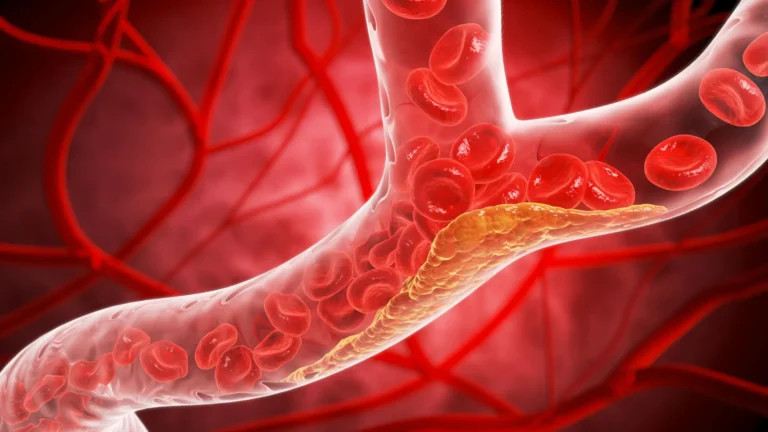
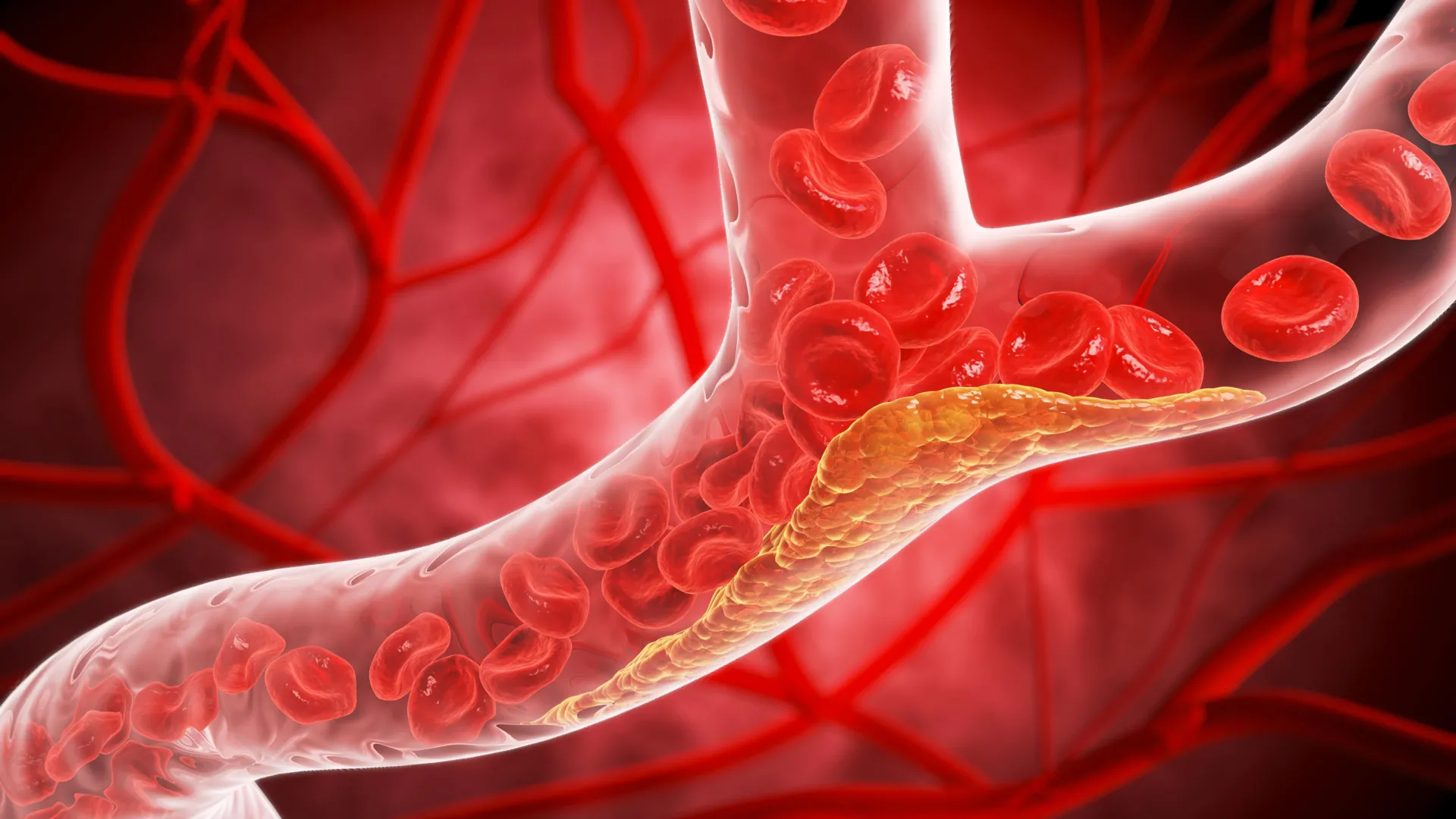
To understand the magnitude of this breakthrough, one must first understand the mechanism of cardiovascular disease. For decades, the medical community has recognized that LDL cholesterol is not merely a number on a lab report but a primary driver of atherosclerosis. When excess LDL particles circulate in the bloodstream, they infiltrate the arterial walls, initiating a cascade of inflammation and plaque buildup.
Over time, these plaques can narrow the arteries, restricting blood flow to the heart and brain. When a plaque ruptures, it can trigger a clot, leading to a myocardial infarction (heart attack) or an ischemic stroke. Consequently, the cornerstone of preventative cardiology has always been the aggressive reduction of LDL cholesterol. While statins have served as the frontline defense since their introduction in the late 1980s, they are frequently insufficient for high-risk patients, necessitating the addition of "add-on" therapies to reach lower, more protective thresholds.
A Historical Trajectory: From Nobel Laureates to Modern Medicine
The development of enlicitide is not an isolated scientific event; rather, it is the latest chapter in a long and storied history of cholesterol research at the University of Texas Southwestern (UTSW) Medical Center.
The foundation for modern lipid science was laid by UTSW researchers Michael Brown, M.D., and Joseph Goldstein, M.D. In a series of groundbreaking experiments, the duo identified the LDL receptor on the surface of liver cells—the biological "vacuum cleaner" responsible for pulling cholesterol out of the bloodstream. Their discovery earned them the 1985 Nobel Prize in Physiology or Medicine and provided the scientific rationale for the development of statins.
The narrative continued with the Dallas Heart Study, a multi-ethnic, population-based study led by Helen Hobbs, M.D., and Jonathan Cohen, Ph.D. Their research revealed that certain individuals possessed natural genetic variations that inhibited the production of a protein called PCSK9. They discovered that lower levels of this protein resulted in a higher density of LDL receptors on liver cells, which in turn kept LDL cholesterol levels exceptionally low throughout those individuals’ lives.
This insight into the PCSK9 pathway revolutionized pharmaceutical intervention, leading to the creation of injectable PCSK9 inhibitors, such as evolocumab and alirocumab. These agents are remarkably effective, capable of reducing LDL levels by roughly 60%. However, their widespread adoption has been hampered by logistical hurdles, including their injectable delivery method, cost, and insurance coverage complexities.
The Clinical Trial: Bridging the Gap Between Science and Practice
The Phase 3 clinical trial for enlicitide sought to address these systemic barriers. Led by Ann Marie Navar, M.D., Ph.D., a cardiologist and Associate Professor at UT Southwestern’s Peter O’Donnell Jr. School of Public Health, the study enrolled 2,909 participants. Each participant either suffered from established atherosclerosis or was at high risk due to co-morbidities.
The study population was carefully curated to mirror the real-world challenges faced by clinicians. Nearly all participants were already maintained on high-intensity statin therapy, yet their average LDL levels remained at 96 mg/dl—well above the recommended therapeutic targets of 70 mg/dl for patients with ASCVD and 55 mg/dl for those at the highest risk.
"The study population reflects what we see in clinical practice," Dr. Navar noted. "Even the highest intensity statins are often not enough to get people to their cholesterol goals."
Over a 24-week period, patients were randomized to receive either enlicitide or a placebo. The results were striking: the enlicitide group experienced a 60% reduction in LDL cholesterol compared to the placebo group. Perhaps more importantly, these gains were not fleeting. Follow-up data spanning a full year confirmed that the reductions were maintained, alongside significant improvements in other cardiovascular risk markers, such as non-HDL cholesterol, apolipoprotein B, and lipoprotein(a).
Addressing the "Pill vs. Injection" Paradigm
The primary advantage of enlicitide is its delivery mechanism. While existing PCSK9 inhibitors require regular injections, enlicitide functions as a daily oral medication. In the world of chronic disease management, the "pill burden" is a well-documented factor in patient adherence. Oral therapies are generally more accessible, less intimidating, and easier for patients to incorporate into their daily routines.
Dr. Navar emphasized that even as costs for injectable biologics have stabilized and insurance barriers have lowered, physicians often remain hesitant to prescribe them. "An oral therapy this effective has the potential to dramatically improve our ability to prevent heart attacks and strokes on a population level," she stated. By stripping away the requirement for injections, enlicitide could effectively democratize access to high-potency lipid-lowering care.
Official Responses and Industry Context
The medical community has greeted the news with cautious optimism. If the U.S. Food and Drug Administration (FDA) grants approval, enlicitide will likely be viewed as a "game changer" for patients who cannot tolerate injections or those whose LDL levels remain stubbornly high despite standard care.
However, researchers remain focused on the "clinical outcomes" question. While a 60% reduction in LDL is a powerful surrogate marker for health, the ultimate test is whether this reduction translates into a tangible decrease in the number of heart attacks and strokes. To that end, a secondary clinical trial is already underway to measure these long-term cardiovascular outcomes.
The funding for the current study was provided by Merck Sharp & Dohme, a subsidiary of Merck. Dr. Navar, who spearheaded the research, has disclosed receiving consulting fees from Merck and other pharmaceutical companies involved in the lipid-lowering market, a standard practice in large-scale clinical trials that involves transparent disclosure to the medical community.
Implications for Public Health
The potential implications for the American healthcare system are profound. Cardiovascular disease remains the leading cause of death globally. By providing a simpler, more potent oral option, enlicitide could help millions of patients achieve their cholesterol targets, thereby reducing the burden of heart disease on hospitals and primary care practices.
"These reductions in LDL cholesterol are the most we have ever achieved with an oral drug by far since the development of statins," Dr. Navar remarked.
As the medical field awaits the results of the ongoing outcomes trial, the conversation has already shifted toward how such a medication might be integrated into standard clinical guidelines. If the data holds up, the "pill-first" approach for high-risk patients may soon become the new gold standard, further cementing the legacy of the UTSW research team and the enduring power of targeting the PCSK9 pathway.
For now, the Phase 3 data serves as a beacon of hope for patients who have felt limited by their current treatment options. As the regulatory process begins, clinicians and patients alike will be watching closely, waiting to see if this experimental pill can fulfill its promise of preventing the next generation of cardiovascular events.