





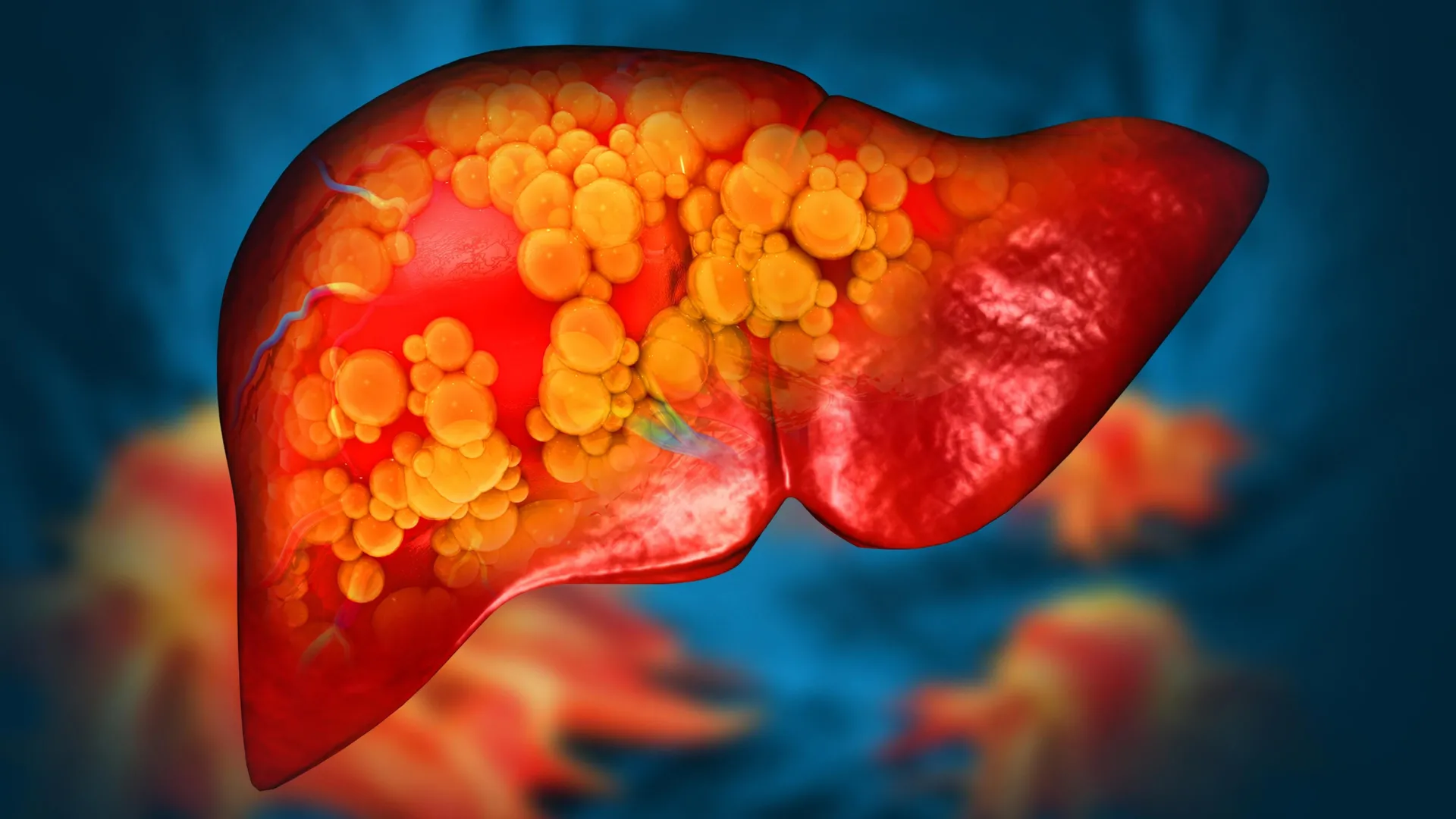
A groundbreaking medical development has emerged from the University of California San Diego School of Medicine, offering a potential lifeline to millions suffering from metabolic dysfunction-associated steatohepatitis (MASH). An experimental treatment, ION224, has demonstrated the ability to inhibit the internal machinery of fat production within the liver, a breakthrough that clinicians suggest could transform the standard of care for a condition that often acts as a silent precursor to terminal liver failure.
The study, the results of which were recently published in the prestigious medical journal The Lancet, marks a significant shift in how researchers approach the management of fatty liver disease. Rather than focusing exclusively on systemic weight loss or secondary symptoms, ION224 acts as a molecular "off switch" for the biological pathways that drive fat accumulation.
The Global Health Crisis: Understanding MASH
To understand the gravity of this research, one must first appreciate the scale of the crisis. MASH, formerly known as nonalcoholic steatohepatitis (NASH), is the most severe manifestation of metabolic dysfunction-associated steatotic liver disease (MASLD). In an era defined by sedentary lifestyles, ultra-processed diets, and surging rates of obesity and type 2 diabetes, the liver has become a primary battlefield for metabolic health.
Recent data suggests that as many as one in four adults worldwide currently lives with some form of fatty liver disease. In the United States alone, over 100 million people are estimated to be affected. The pathology of MASH is particularly insidious; it often progresses in silence for years or even decades. Because the liver lacks pain receptors, patients rarely experience symptoms until the damage is irreversible. Left unchecked, the chronic inflammation caused by fat deposits leads to fibrosis—the scarring of liver tissue—which inevitably progresses to cirrhosis, liver failure, and hepatocellular carcinoma. For many, the only viable endgame until now has been a liver transplant, an option limited by donor scarcity and the heavy physical toll of the surgery.
Chronology of the ION224 Discovery
The development of ION224 represents the culmination of years of targeted molecular research. The drug is an antisense therapy—a sophisticated approach that uses modified genetic material to interfere with the production of specific proteins.
The Mechanism of Action
The scientific community has long identified the enzyme DGAT2 (diacylglycerol acyltransferase 2) as a primary culprit in liver disease. DGAT2 is essential for de novo lipogenesis, the process by which the body manufactures fat within the liver cells. In a healthy state, this process is regulated, but in patients with metabolic syndrome, the liver begins overproducing fat, leading to intracellular toxicity.
By inhibiting DGAT2, ION224 prevents the liver from synthesizing and storing this excess fat. The chronology of this clinical trial highlights the efficacy of this approach:
- Initial Research: Preclinical models identified DGAT2 as the "master regulator" of liver fat. Unlike other enzymes, blocking DGAT2 specifically targets liver-centric fat production without interfering with essential fatty acid metabolism in other organs.
- Phase IIb Clinical Trial: The study enrolled 160 participants across the United States, all of whom presented with confirmed MASH and associated mild-to-moderate liver fibrosis.
- The 51-Week Window: Over the course of nearly a year, participants were administered monthly injections of ION224 at varying dosages, or a placebo. This extended duration allowed researchers to observe not just fat reduction, but changes in the actual structural integrity of the liver tissue.
- Data Analysis: Following the 51-week period, researchers observed that patients on the highest dosage experienced a 60% improvement in key liver health markers compared to the placebo group.
Supporting Data: Why the Results Matter
The data produced by the trial is being hailed as "statistically significant" and "biologically compelling." Perhaps most importantly, the trial demonstrated that the drug was well-tolerated. In the past, attempts to block lipid pathways often resulted in secondary complications, such as dangerous spikes in blood triglycerides. ION224 appears to have bypassed these risks, offering a clean safety profile that makes it a prime candidate for long-term usage.
Furthermore, the data highlighted a crucial differentiator: the drug’s effectiveness was independent of total weight loss. While lifestyle interventions remain the cornerstone of metabolic health, many patients find it physiologically difficult to lose enough weight to reverse advanced fibrosis. ION224 provides a therapeutic "floor," ensuring that the liver is protected from further damage even if weight loss is gradual or stalled. This suggests a future where ION224 is used in tandem with GLP-1 receptor agonists, such as semaglutide, creating a dual-pronged attack on both systemic obesity and localized liver toxicity.
Official Responses and Expert Analysis
Dr. Rohit Loomba, the study’s principal investigator and the chief of the Division of Gastroenterology and Hepatology at UC San Diego School of Medicine, has been at the forefront of this research. His assessment of the trial results is optimistic, framed by a clear understanding of the clinical desperation many MASH patients face.
"This study marks a pivotal advance in the fight against MASH," Dr. Loomba stated. "By blocking DGAT2, we’re interrupting the disease process at its root cause, stopping fat accumulation and inflammation right in the liver. This is the first drug of its kind to show real biological impact in MASH. If these findings are confirmed in Phase III trials, we may finally be able to offer patients a targeted therapy that halts and potentially reverses liver damage before it progresses to life-threatening stages."
The research team, which included experts from Ionis Pharmaceuticals and Arizona Liver Health, emphasized that the collaboration was essential to navigating the complex biological hurdles of antisense therapy. By pairing pharmaceutical innovation with rigorous clinical oversight, the team was able to validate a new class of medication that could potentially replace more invasive or less effective traditional interventions.
Clinical and Societal Implications
The implications of a successful Phase III trial and eventual FDA approval for ION224 are profound. Currently, the healthcare system is bracing for a "tidal wave" of liver disease cases as the populations impacted by the current obesity epidemic age.
A Paradigm Shift in Treatment
The arrival of a targeted, liver-specific inhibitor would move the treatment of MASH from "supportive care" to "curative intent." Physicians could theoretically prescribe ION224 to high-risk patients long before they require transplantation, effectively "buying time" for the patient to manage their broader metabolic health.
The Economic Impact
Beyond the physical health of the population, the economic burden of MASH is staggering. Liver failure, hospitalizations, and transplants consume billions in healthcare spending annually. A successful, self-administered (or clinic-administered) monthly injection could drastically reduce the long-term cost of chronic disease management.
The Roadmap to Approval
While the results are promising, the scientific community remains cautious. Phase III trials are significantly more rigorous, requiring thousands of participants to ensure the drug’s safety profile holds up across diverse demographics and varying stages of fibrosis. Researchers are also exploring the potential for combination therapies, where ION224 might be paired with insulin sensitizers or anti-inflammatory agents to provide a comprehensive treatment "cocktail."
Looking Forward: The Path to Phase III
As the research team prepares for the next phase of development, the medical world watches with bated breath. The funding for the current research, provided by Ionis Pharmaceuticals, underscores the industry’s commitment to finding a pharmacological solution to a disease that has historically lacked one.
The study authors, including Erin Morgan, Keyvan Yousefi, Dan Li, Richard Geary, and Sanjay Bhanot, have set a new benchmark for how clinical trials in hepatology should be conducted. Their work serves as a reminder that even in the face of daunting global health trends, scientific ingenuity remains the most potent tool in our arsenal.
If ION224 continues to demonstrate success in larger trials, it will represent a historic milestone in the treatment of liver disease. For the millions of people who live with the anxiety of a silent, progressive illness, this drug offers more than just a reduction in liver enzymes—it offers the hope of a future where MASH is no longer a terminal diagnosis, but a manageable condition. The road to the pharmacy shelf is still long, but for the first time, the path is clearly illuminated.