










As the legalization of marijuana continues to sweep across the United States and global jurisdictions, a public perception shift has taken hold. With widespread availability and increasingly normalized recreational use, many consumers have come to view cannabis as an inherently safe, natural product. However, as medical researchers peel back the layers of long-term usage, the oncological picture is proving to be far more nuanced—and potentially dangerous—than previously assumed.
While the carcinogenic properties of tobacco have been codified by decades of rigorous science, the medical community is currently engaged in an urgent race to map the specific risks associated with cannabis inhalation. Experts, including Dr. Brooks Udelsman, a thoracic surgeon at Keck Medicine of USC, warn that while the public embraces the "natural" label, the biological reality of chronic smoke inhalation remains a significant health concern.
The Emerging Evidence: A New Medical Frontier
The scientific community is no longer viewing marijuana in a vacuum. Recent studies, particularly those spearheaded by the USC Caruso Department of Otolaryngology—Head and Neck Surgery, have begun to quantify the risks that clinicians have long suspected but lacked the data to prove.
Small Cell and Non-Small Cell Lung Cancer
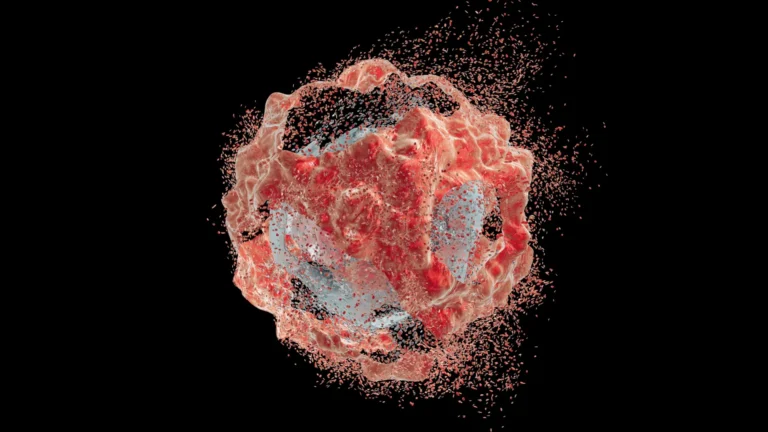
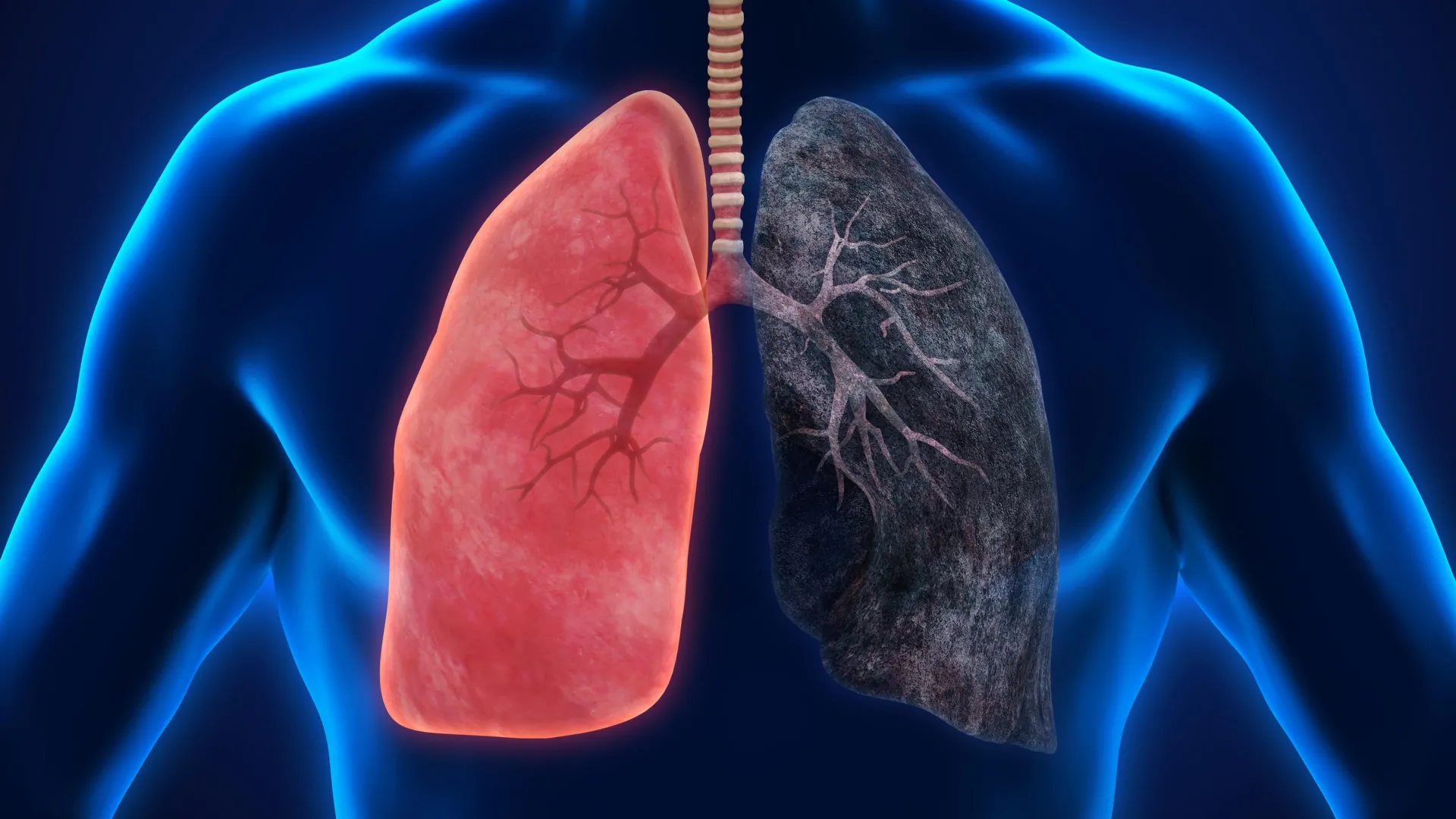
Under the leadership of Dr. Niels Kokot, researchers have identified a troubling correlation between high-frequency marijuana consumption and the development of lung malignancies. The findings indicate that individuals who smoke large volumes of cannabis exhibit an elevated risk for both small cell lung cancer (SCLC) and non-small cell lung cancer (NSCLC). Historically, SCLC has been almost exclusively associated with significant tobacco exposure, suggesting that the "inhalational injury" caused by marijuana smoke may mimic the destructive pathway of cigarette smoke.
Head and Neck Malignancies
Beyond the lungs, the upper aerodigestive tract is emerging as a primary site of concern. Dr. Kokot’s research team reported that daily marijuana users are 3.5 to 5 times more likely to develop head and neck cancers than their non-using counterparts. These malignancies encompass a wide array of life-altering conditions, including cancers of the mouth, pharynx, larynx, and oropharynx (specifically the tongue, tonsils, and back wall of the throat), as well as the nearby salivary glands.
The "Dose-Response" Dilemma
One of the most frequent questions posed to oncologists is: "How much is too much?" Currently, the scientific literature is grappling with the lack of a clear threshold.
"What we don’t know right now is the dose relationship," Dr. Udelsman explains. "If someone smokes marijuana occasionally—once a week, once a month, or a few times a year—do they still have that same risk? My suspicion is that there is probably minimal risk. All we know right now is that people who smoke a lot of marijuana—to the point that they develop a dependency on it or require hospital care or evaluation for it—do appear to have a higher cancer risk."
The current medical consensus distinguishes between casual, sporadic use and chronic, heavy consumption. While occasional inflammation may be mitigated by the body’s natural repair mechanisms, persistent, daily exposure prevents these tissues from healing, potentially setting the stage for cellular mutation.
Mechanisms of Injury: Why Smoke Matters
To understand why marijuana smoke might be carcinogenic, one must look at the chemistry of combustion. Dr. Udelsman notes that the danger lies not necessarily in the plant itself, but in the process of smoking.
Chemical Commonalities with Tobacco
Tobacco smoke is known to contain over 7,000 chemicals, with approximately 70 classified as known carcinogens. Many of these same chemical compounds are produced when marijuana is burned. When a user inhales this smoke, they are subjecting their pulmonary tissues to high-heat particulate matter that triggers chronic, long-lasting inflammation.
THC and DNA Damage
A critical point of concern involves THC (tetrahydrocannabinol), the primary psychoactive component of cannabis. Research suggests that THC is associated with the conversion of polycyclic aromatic hydrocarbons (PAHs). These compounds are notorious for their ability to trigger inflammatory pathways and inflict direct damage on DNA. As Dr. Udelsman points out, "Anytime inflammation and changes to DNA occur, you’re at risk for developing cancer."
Examining Alternative Consumption Methods
As the health risks of smoking become more apparent, many consumers have turned to alternatives such as edibles and vaping. However, the safety profile of these methods remains a subject of intense investigation.
The Verdict on Edibles
Current evidence offers a sliver of good news for those concerned about lung health: non-smoking methods, such as edibles, appear to pose a significantly lower risk of lung cancer. "Probably not," says Dr. Udelsman when asked if edibles are linked to lung malignancies. "The risk is harder to track because there isn’t a lot of data on it yet, but as of now, there does not seem to be a relationship between edibles and lung cancer."
However, medical professionals urge caution: while the risk to the lungs may be mitigated, the potential for other systemic cancers or metabolic issues related to long-term edible consumption has not yet been fully explored.
The Vaping Uncertainty
Vaping occupies a precarious space in current medical discourse. When e-cigarettes were first introduced, they were marketed as a safer alternative to combustible tobacco. Today, clinicians are seeing severe, benign inflammatory lung diseases linked to vaping, even if cancer cases are not yet widespread.
"The data on vaping is very new, so we don’t know yet, but I’d worry about anything you’re breathing into your lungs," says Dr. Udelsman. Because vaping involves infiltrating the delicate cells and air sacs of the lungs with aerosolized chemicals, the potential for long-term carcinogenic risk remains a distinct, albeit unproven, possibility.
Secondhand Exposure and Future Research
The debate surrounding secondhand marijuana smoke is similarly complex. While there is not yet enough longitudinal data to definitively label secondhand marijuana smoke as a direct cause of lung cancer, medical experts advise caution. Similar to tobacco, secondhand marijuana smoke contains inflammatory particles that, when inhaled by bystanders, could theoretically contribute to the development of respiratory disease.
Researchers are now looking beyond the lungs and head-neck regions to investigate potential links between heavy marijuana use and other malignancies, including bladder and gastrointestinal cancers. "That’s why we’re trying to determine what the risks are so that people can know what risks they’re taking," Dr. Udelsman says.
Implications for Public Health
Despite these findings, experts are not predicting a sudden, widespread cancer epidemic linked to recreational marijuana. Instead, the focus is on harm reduction and informed decision-making.
Clinical Recommendations
For those who are chronic, heavy users of marijuana, the medical advice is clear: transparency with healthcare providers is essential. A doctor can conduct an individualized risk assessment, potentially recommending early screenings or specialized diagnostic tests for those with a high cumulative exposure.
A Measured Outlook
Dr. Udelsman remains pragmatic. "I worry less about occasional use and the slight inflammation that it might cause for a temporary period. Your body probably recovers from that very quickly, with very little damage. I’m more worried about chronic, heavy exposure: people who are using marijuana every day, multiple times a day. That’s where I think you can start to build up injury."
As society moves forward into an era of widespread legalization, the gap between policy and health awareness must be bridged. The prevailing "natural" narrative surrounding marijuana ignores the biological consequences of chronic combustion. For the millions of individuals who rely on cannabis for medical or recreational purposes, understanding these risks is the first step toward safeguarding their long-term health. The science is still unfolding, but for heavy users, the message from the clinical community is becoming increasingly urgent: the lungs were designed for air, and any consistent deviation from that function carries a price.