In a significant stride toward equitable healthcare across the European continent, the SPARC (Support of Personalised Medicine Approaches in Cancer) project has officially launched its Patient and Caregiver Advisory Group (PCAG). This milestone, marked by an inaugural meeting this past May, represents more than just a procedural step; it is a fundamental shift in how the future of cancer treatment is being architected. By placing those who live with the disease—and those who care for them—at the center of policy and research, SPARC is attempting to dismantle the systemic barriers that have long prevented personalised medicine from reaching its full potential.
Main Facts: What is SPARC?
SPARC is an ambitious, three-year, European-funded initiative designed to streamline the integration of personalised cancer medicine into routine clinical practice. At its core, the project operates on the premise that cancer care is not "one size fits all." Every patient’s tumor profile is unique, and as such, treatment should be tailored to the specific genetic and biological markers of the individual.
The project is a massive collaborative undertaking, uniting 17 partner organizations spanning eight countries. This consortium includes a diverse mix of researchers, clinicians, policymakers, and industry experts. However, the true strength of the project lies in its mandate: to ensure that the rapid advancements in medical technology do not remain sequestered within elite research hospitals but are instead accessible to patients in every corner of Europe.
The primary objectives of SPARC include:
- Standardizing Care: Creating frameworks that allow hospitals of varying sizes and resources to adopt personalised testing and treatment protocols.
- Closing the Inequality Gap: Reducing the disparity between high-resource and low-resource healthcare systems.
- Translating Science: Simplifying complex medical information so that patients and their families can make informed decisions about their treatment paths.
A Chronology of Progress: The PCAG Milestone
The journey toward a more inclusive cancer care system has been marked by careful planning and stakeholder engagement.
- Project Inception: Recognizing the fragmentation of cancer care in Europe, the SPARC consortium was formed to bridge the gap between innovation and implementation.
- Phase One (Early 2024): Preliminary research was conducted to map out the current state of personalised medicine in participating countries, identifying key bottlenecks in logistics, cost, and information delivery.
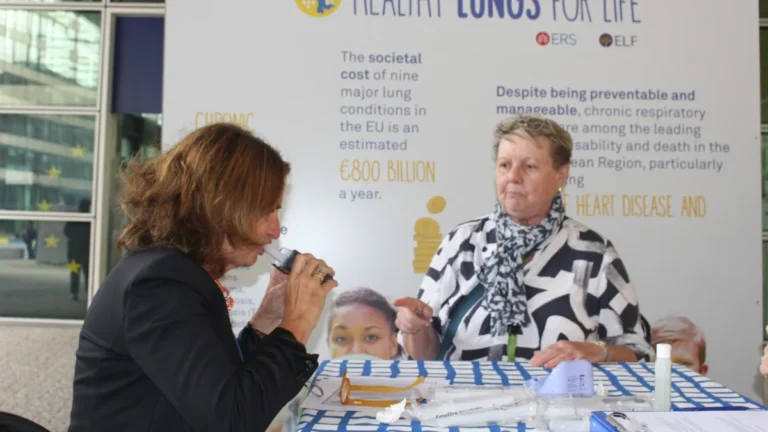
- The May Milestone (The PCAG Launch): The inaugural meeting of the Patient and Caregiver Advisory Group took place in May. This event brought together a representative group of patients, caregivers, and advocacy representatives. The meeting served as a forum for stakeholders to air the realities of their care journeys, providing the research consortium with the "human data" required to ground their academic work.
- The Current Phase: Following the launch, the PCAG has moved into an active advisory role, with members beginning to review patient-facing materials and suggest modifications to the project’s communication strategies.
Supporting Data: The Disparity Crisis
The necessity of the SPARC project is underscored by stark data regarding European healthcare inequalities. While personalised medicine—including genomic sequencing and targeted therapies—has revolutionized survival rates for certain cancers, the "delivery gap" remains a critical issue.
According to preliminary SPARC findings, the landscape of oncology in Europe is highly stratified:
- Technological Asymmetry: Hospitals in major metropolitan hubs frequently have access to next-generation sequencing (NGS) and molecular tumor boards, while rural or smaller regional centers often lack the infrastructure to support these tests.
- The Information Void: Many patients report that even when personalized treatments are available, the complexity of the science leaves them confused. A significant percentage of patients in lower-resource settings report being unable to identify whether they were offered all available genomic testing options.
- The Financial and Logistical Burden: The cost of travel to specialist centers, combined with the lack of standardized referral pathways, places an undue burden on patients and their caregivers.
By integrating the PCAG, SPARC aims to collect qualitative data that complements these quantitative gaps, ensuring that the "implementation" phase of the project addresses these real-world obstacles.
Official Responses: The Voice of the Patient
The atmosphere at the inaugural PCAG meeting was one of both critical reflection and immense hope. For many participants, the meeting was the first time they felt their role was being elevated from "study subject" to "project partner."
"The meeting provided a much-needed space to articulate the frustration of navigating a system that is often opaque," one patient representative noted. "By being part of this group, we are not just giving feedback on brochures; we are helping to define the standards of how information is presented to patients at their most vulnerable moments."
Healthcare professionals involved in the project have echoed this sentiment, emphasizing that scientific rigor is insufficient without patient trust. Dr. Elena Rossi (a pseudonym for a project lead), a lead researcher on the SPARC initiative, stated: "We are the experts in the lab, but the patients are the experts in the experience of the disease. Without their direct input, our implementation models are theoretical. With their input, they become actionable."
The PCAG members are already slated to work on several critical workstreams, including the development of digital tools that track treatment responses and the creation of "patient-friendly" summaries for complex genetic reports.
Implications for the Future of Oncology
The implications of the SPARC project extend far beyond the next three years. If successful, this initiative could serve as a blueprint for other medical fields where technology is outpacing policy.
1. The Democratization of Care
By establishing clear, equitable pathways for personalised care, SPARC is working to ensure that a patient’s geography does not determine their prognosis. This is a monumental shift that requires not just medical innovation, but significant policy changes regarding cross-border healthcare cooperation and funding models.
2. Enhancing Health Literacy
A key focus of the PCAG is to bridge the "understanding gap." The project is committed to creating educational materials that empower patients to ask the right questions of their oncologists. This empowerment is expected to lead to higher rates of treatment adherence and improved patient-doctor relationships.
3. Strengthening the Caregiver Ecosystem
Caregivers are often the "silent" participants in the oncology space. By including them in the advisory group, SPARC acknowledges that the health of the patient is inextricably linked to the support structure around them. Future project activities will include resources specifically tailored to the mental health and logistical challenges faced by caregivers.
A Note on Research Integrity: Learning from Other Disciplines
While the SPARC project focuses on cancer, it is worth noting how medical research continues to evolve in other areas of health, particularly in identifying early-onset conditions. For example, recent studies into Alpha-1 Antitrypsin Deficiency (AATD) have highlighted the importance of early detection through non-invasive scans like transient elastography.
Much like the work being done in the SPARC project, these studies emphasize that "standard" tests are not always enough. As we move toward a future of precision medicine, the integration of specialized, patient-centered diagnostics—whether for liver health or oncology—is the common thread that will define modern medicine. The lessons learned in these adjacent fields reinforce the SPARC mission: move faster, screen earlier, and communicate with clarity.
How to Get Involved
The success of the SPARC project depends on a continuous loop of feedback. The consortium is actively seeking participants who are passionate about reforming cancer care.
- For Patients and Caregivers: The PCAG is not a static group; it is designed to grow. Those who have experienced the European healthcare system firsthand are invited to join. Your perspective is the missing piece in the implementation of personalised medicine.
- For Healthcare Professionals: SPARC is looking for practitioners who are interested in adopting new workflows and contributing to the body of evidence regarding personalised care delivery.
- For Stakeholders: Those in policy or research interested in the project’s progress can sign up for the newsletter to receive regular updates on the latest findings.
To learn more about the initiative, visit the official portal: https://sparc-project.eu/
Are you ready to make an impact? If you are a patient, caregiver, or representative interested in contributing your voice to the future of cancer care in Europe, you can register to get involved here: https://short-url.org/1qIvg
The path forward is clear. By aligning the cold, hard data of clinical research with the warm, lived experience of the patient community, SPARC is helping to build a healthcare system that is not only personalized in its science but also deeply human in its application. The PCAG is only the beginning of this transformation, and the ripple effects of this collaboration are poised to change the oncology landscape for years to come.