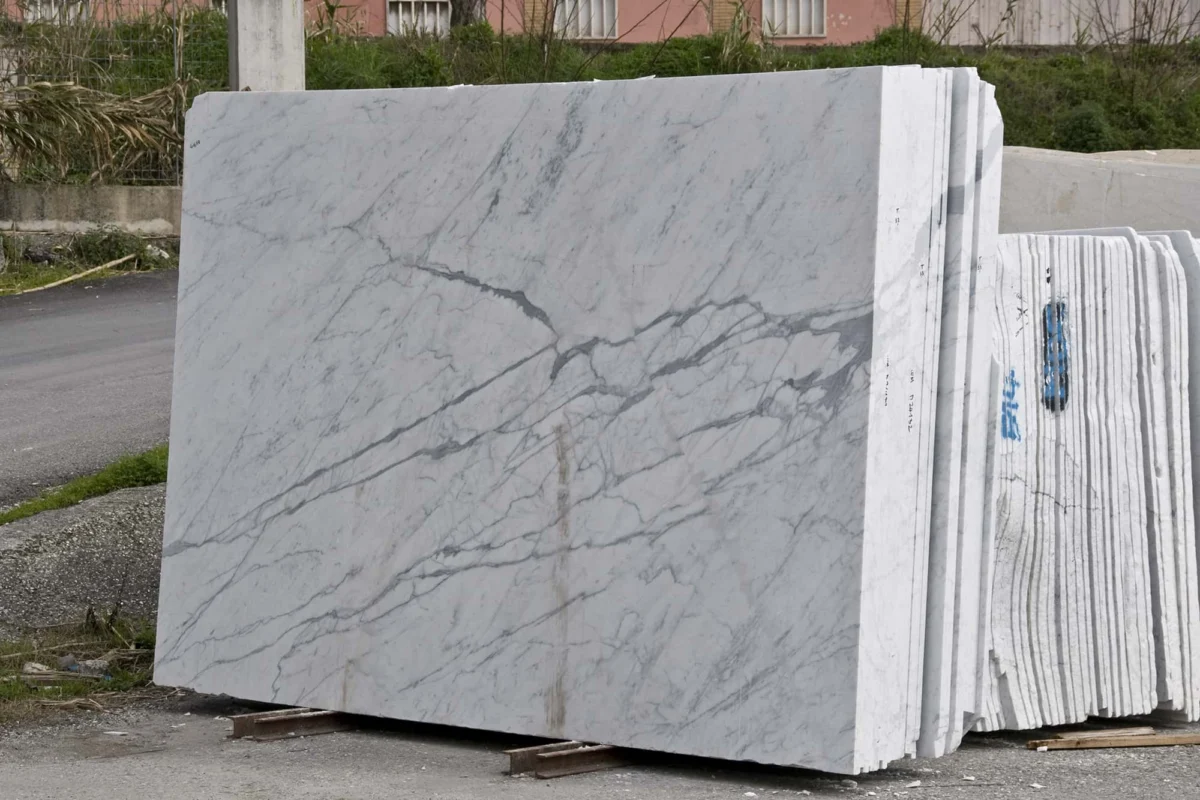
In the sleek, modern kitchens that define contemporary home aesthetics, a silent, deadly crisis is unfolding. A devastating surge in cases of silicosis—an incurable, progressive, and often fatal lung disease—has been identified among workers tasked with cutting, grinding, and polishing engineered stone, commonly known as quartz countertops.
A landmark study published in the New England Journal of Medicine (NEJM) Evidence has brought this occupational health catastrophe into sharp focus. By identifying nearly 600 cases in California alone, researchers have sounded a national alarm, urging immediate regulatory intervention and a radical shift in how the industry handles crystalline silica.
The Core Facts: A Preventable Tragedy
Silicosis is caused by the inhalation of respirable crystalline silica, a mineral dust that, when inhaled, settles deep into the lungs. Over time, it causes inflammation, scarring, and the formation of nodules that permanently reduce lung function. Engineered stone countertops, which have surged in popularity over the last decade, are particularly dangerous because they often contain more than 90% crystalline silica—a concentration significantly higher than that found in natural stone like granite or marble.
The recent study, conducted by experts from the California Department of Public Health, the University of California, Los Angeles (UCLA), and the University of California, San Francisco (UCSF), paints a harrowing picture. Between January 2019 and June 2026, researchers tracked 592 cases of silicosis among fabrication workers. Of those diagnosed, 65 individuals were forced to undergo life-altering lung transplants, and 31 tragically lost their lives.
These numbers, while alarming, are likely a significant undercount. Experts suggest that due to gaps in diagnostic reporting and the long latency period of the disease, thousands more workers across the United States may be suffering from undiagnosed or misdiagnosed respiratory damage.
A Chronology of the Crisis
The rise of the quartz countertop industry mirrors the rise of the epidemic.
- Early 2010s: Engineered stone gains rapid market share in the U.S. due to its durability, low maintenance, and aesthetic versatility. During this period, occupational health safeguards in small-scale fabrication shops often fail to keep pace with the surge in demand.
- 2019: California public health officials begin noticing a cluster of severe silicosis cases among young, otherwise healthy men working in fabrication shops.
- 2020–2022: Despite the global pandemic shifting focus, medical researchers begin documenting the "rapidly progressive" nature of the disease in these specific workers. Unlike traditional silicosis, which often takes decades to manifest, this new wave of illness is appearing in workers after only a few years of exposure.
- 2023: Regulatory agencies in California move to adopt emergency temporary standards to limit silica exposure in the workplace, focusing on wet-cutting methods and improved ventilation.
- 2026: The publication of the NEJM Evidence study consolidates years of data, confirming that the epidemic is not a series of isolated incidents but a systemic failure of safety standards.
Supporting Data: The Anatomy of Exposure
The data provided by the study serves as a diagnostic tool for public health officials. The core issue is the physical transformation of the material. When raw slabs of engineered stone are processed, the cutting and grinding process releases fine silica dust into the air. If the workplace lacks industrial-grade dust collection systems or if workers fail to use adequate respiratory protection, this dust is inhaled directly into the alveolar sacs of the lungs.
The study emphasizes several critical data points that distinguish this epidemic:
- High Silica Content: The concentration of silica in engineered stone is the primary driver of the rapid disease progression.
- Young Demographic: Many of the victims are young workers, meaning the loss of life expectancy and economic productivity is catastrophic.
- Diagnostic Delay: Many workers report symptoms such as persistent cough and shortness of breath only after the disease has reached an advanced stage.
- Inadequate Mitigation: Despite the existence of safer alternatives, the industry continues to push the high-silica material as a premium product, often without sufficient warnings to the shops processing the material.
Official Responses and Industry Accountability
The response from the public health community has been swift and critical. David Michaels, a former assistant secretary of labor for the Occupational Safety and Health Administration (OSHA) and a professor at the George Washington University Milken Institute School of Public Health, has been one of the most vocal proponents of immediate action.
"Hundreds of workers have been sickened making quartz countertops, a product we do not need, especially when a safer alternative is available," Michaels stated in a recent press release. His sentiment reflects a growing movement among occupational health experts who argue that individual safety measures—like masks—are insufficient if the material itself is inherently lethal to handle.
Robert Harrison, a senior attending physician in occupational healthcare at UCSF, has joined Michaels in calling for a national reckoning. The two have frequently criticized "big-box" retailers for continuing to stock and promote these materials despite the clear evidence of the health toll on the supply chain. While some industry groups argue that safety protocols are sufficient, the medical community maintains that the "wet-cutting" and PPE protocols are often ignored in small-scale, unregulated shops, rendering them ineffective in the real world.
Implications: A Call for Policy Reform
The implications of the study are far-reaching, extending from the hospital ward to the halls of government.
1. The Australia Model
The study authors point to Australia as a blueprint for success. In 2024, Australia implemented a nationwide ban on the manufacture, supply, and use of engineered stone. This decision followed a similar realization that the health risk to workers could not be effectively mitigated through regulation alone. Advocates are now pushing for the U.S. to consider similar legislative action or, at the very least, a strict national surveillance program.
2. Clinical Vigilance
Healthcare providers are being urged to change their approach to patient histories. Doctors are now encouraged to ask patients specifically about their occupation, particularly if they work in construction or countertop fabrication. Early diagnosis is the only hope for managing the disease, and even then, options are limited to symptom management and, in the most severe cases, lung transplantation.
3. Regulatory Overhaul
There is an urgent call for OSHA to revisit its permissible exposure limits (PEL) for silica. Current standards are often viewed as outdated and insufficiently enforced, particularly in the thousands of small fabrication shops that operate with minimal oversight. Stronger federal standards would force manufacturers to provide safer materials or invest heavily in the infrastructure of the shops that use them.
4. Consumer Responsibility
While the burden of safety lies with employers and regulators, the study also highlights the role of the consumer. As engineered stone becomes a staple in American home renovations, the demand for "quartz" continues to fuel the production cycle. Increased awareness of the human cost behind these countertops could drive consumer preference toward safer alternatives, such as natural stone, recycled glass, or solid surface materials that do not contain high levels of crystalline silica.
Conclusion: A Moral Imperative
The tragedy of the quartz countertop epidemic is that it is entirely preventable. Unlike diseases with unknown causes, silicosis is a well-understood condition with a clear chain of causality. The technology exists to cut stone safely, and alternatives exist that do not require the use of high-silica engineered stone.
The findings from California are a wake-up call for the nation. It is a clarion call for policy makers, medical professionals, and industry leaders to prioritize human life over market trends. As Michaels and his colleagues have highlighted, we have a moral imperative to stop this epidemic before it claims more lives. The "sickness of the countertop" is a stain on modern industrial practices, and the only way to wash it away is through strict, uncompromising, and immediate reform.
The path forward requires a three-pronged approach: rigorous national surveillance to identify those already sick, stringent enforcement of safety standards to protect those currently working, and a long-term transition toward safer building materials. The cost of inaction is, quite literally, the lives of those building our homes.