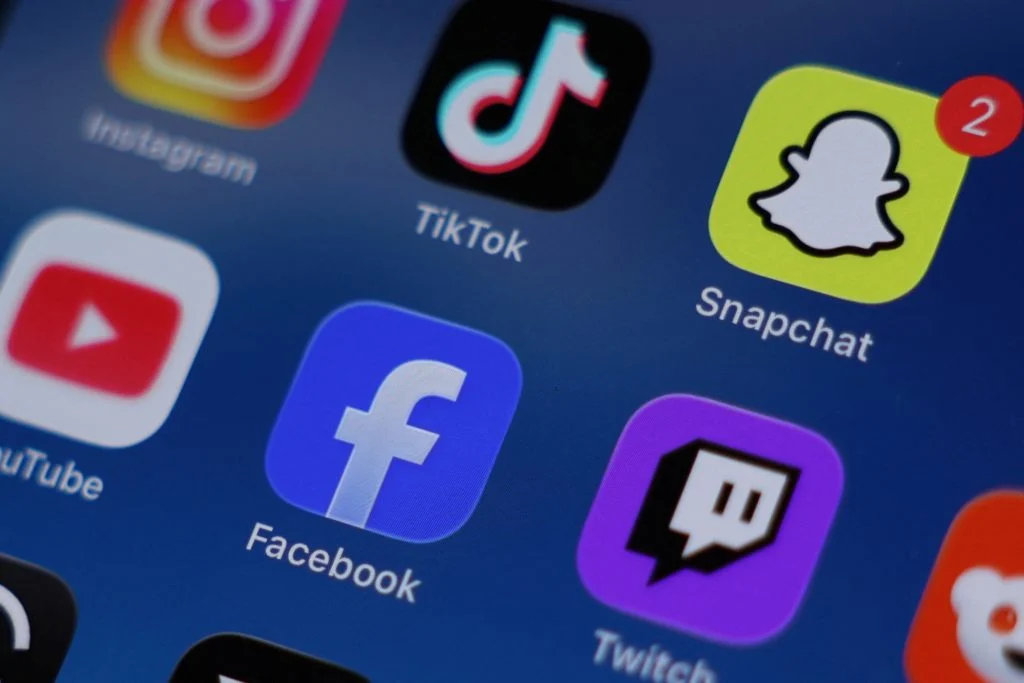
LONDON — In a move that signals a seismic shift in the global approach to digital governance, British Prime Minister Keir Starmer has announced a sweeping legislative package aimed at prohibiting children under the age of 16 from accessing mainstream social media platforms. The initiative, slated for implementation in early 2026, positions the United Kingdom at the forefront of a contentious international debate: how to balance the necessity of protecting minors from digital harms against the fundamental rights of digital access and freedom of expression.
The proposed ban, which encompasses giants such as Snapchat, TikTok, Instagram, Facebook, and X, represents an aggressive attempt by the British government to mitigate what Starmer describes as an urgent public health crisis. Citing concerns over excessive screen time, exposure to self-harm content, and the pervasive influence of predatory algorithms, the government has signaled that the era of "unregulated digital playground" for minors is coming to an end.
The Core Mandate: Protecting a Generation
The policy, which received a mandate from a public consultation process garnering over 116,000 responses—90% of which supported the age restriction—is rooted in the personal conviction of the Prime Minister.
"Every parent can see it with their own eyes. Social media is making children unhappy," Starmer stated during Monday’s press conference. Addressing the inevitable comparisons to other age-gated substances, he added, "Teenagers drink before they should, but we do not then say, ‘in which case let us abandon any attempt to stop them buying alcohol.’ We act to limit the harm."
The legislation will not, however, be a blanket removal of digital connectivity. Essential services such as YouTube Kids, alongside encrypted messaging platforms like WhatsApp and Signal, remain exempt from the current framework. The enforcement mechanism is specifically designed to target the platforms themselves rather than the end-users. Tech companies failing to implement robust age-verification systems face the prospect of multimillion-dollar fines, effectively shifting the burden of compliance from the family home to the corporate boardroom.
A Global Chronology of Regulation
The UK’s decision does not exist in a vacuum; it is part of a broader, accelerating trend of legislative intervention in the digital space.
- 2023–2024 (The Australian Precedent): Australia emerged as the global pioneer, passing landmark legislation that bars those under 16 from holding social media accounts. The Australian model, which the UK government explicitly intends to emulate, serves as the primary template for global regulators.
- Early 2025 (Widening Adoption): Following Australia’s lead, nations including Canada, Brazil, and Indonesia began formalizing their own restrictive frameworks. Simultaneously, France, Spain, Denmark, Thailand, and South Korea initiated formal studies or parliamentary reviews into similar age-based access controls.
- September 2025 (The UK Announcement): Prime Minister Keir Starmer announces that the UK will not only follow the Australian model but will "go further," incorporating additional restrictions on AI-simulated relationships and implementing potential "infinite scroll" limitations.
Supporting Data and the Human Cost
The impetus for this legislation is driven by a tragic, recurring narrative of youth mental health decline. The government’s move is heavily supported by advocates such as Ellen Roome, whose 14-year-old son took his own life—an event she attributes to harmful online challenges.
"The tech companies, if they wanted to make changes, they could have done that by now," Roome said. "They’ve chosen not to do it. We need to come down hard on them."
Critics, however, point to the complexity of the data. While the government emphasizes the 90% public support for the ban, academic experts caution that the root cause—algorithmic manipulation—remains largely untouched by age-verification laws. Kate Edwards of the Molly Rose Foundation argues that the policy is a "sticking plaster" on a gaping wound. "This is far too easy to work around. It is based on age-verification tools that have been shown to be ineffective to date," she noted. "It does nothing to address the actual problem: the harmful algorithms."
Official Responses and Corporate Defiance
The technology sector has responded with a mixture of concern and active pushback. Meta and YouTube, the primary targets of the legislation, have issued warnings that the ban could be counterproductive.
"Blanket bans push kids out of such curated, supervised, beneficial experiences and towards anonymous, less-safe services," a YouTube spokesperson argued. Meta echoed this sentiment, suggesting that such restrictions would effectively strip parents of the ability to use the limited parental control tools already integrated into these platforms, driving teens toward the "dark corners" of the internet where oversight is non-existent.
Furthermore, the United States government has signaled its opposition to the move. In a statement from the U.S. Embassy in London, American officials warned that the UK’s regulations should remain "narrow" to avoid infringing upon free speech protections and to prevent placing undue, discriminatory burdens on American-owned technology firms.
Implications: The Legal and Political Tightrope
For Prime Minister Starmer, this policy is as much a political statement as it is a social one. Currently navigating internal pressure from within the Labour Party regarding his leadership, Starmer is staking a significant portion of his political capital on this "big moment." By signaling that he is "not prepared to compromise on the safety and happiness of our children," he is attempting to project strength to a domestic electorate concerned with family values and digital safety.
Technical and Practical Challenges
The logistical feasibility of the ban remains the largest hurdle. Communications expert Jon Crowcroft of the University of Cambridge highlights the "policing problem." With the proliferation of VPNs and proxy services, the technical barrier to bypassing age verification is low for a tech-savvy generation. Moreover, there is the issue of privacy; critics like the Open Rights Group argue that creating a digital "passport" for the internet, necessary to verify age, risks the mass collection of sensitive data, potentially trading one set of dangers for another.
The Future of AI and Gaming
Beyond social media, the UK government has indicated it will look toward the frontiers of digital interaction. The announcement included plans to restrict AI chatbots—which are increasingly being marketed as "virtual companions"—to users over the age of 18. There is also discussion surrounding mandatory "breaks" in infinite-scroll interfaces and potential overnight curfews for under-18 accounts.
Conclusion: A Turning Point
The UK’s plan to ban under-16s from social media marks a fundamental shift in the relationship between the state and the digital economy. While the government views this as a necessary protective measure for a vulnerable demographic, critics fear it is a technically flawed, politically motivated, and potentially privacy-eroding experiment.
As Starmer prepares for the upcoming G7 summit in France, the issue is expected to dominate discussions among world leaders. Whether this move initiates a new global standard for digital safety or serves as a cautionary tale about the limits of government intervention in the digital age, the next year will prove critical. For now, the British government remains committed to its course, promising that detailed, granular enforcement plans will be unveiled next month. The world, both in the tech sector and in legislative chambers abroad, will be watching closely.