







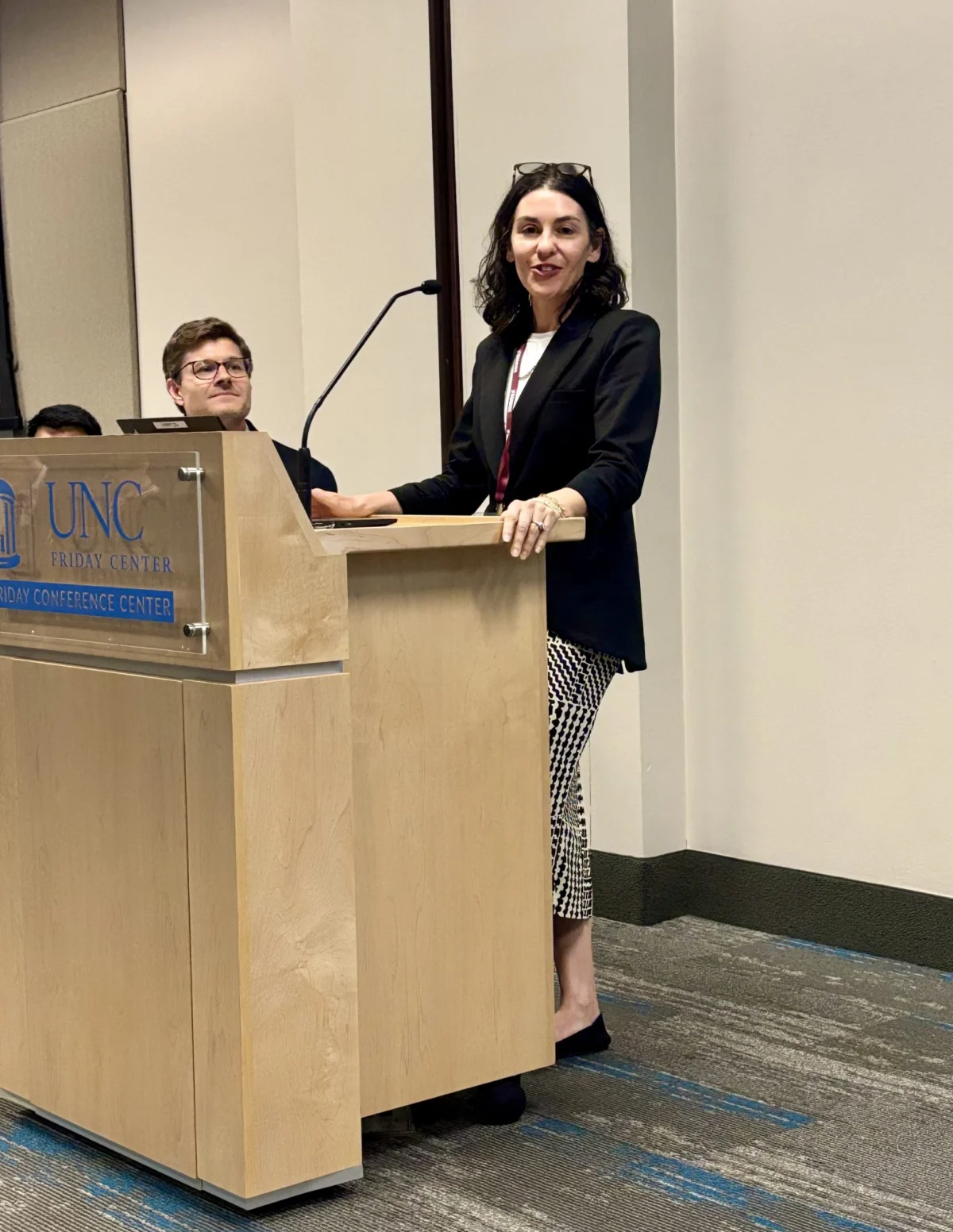
The landscape of modern medicine is undergoing a profound structural shift. At the SEARCH 2026 National Research Symposium, leading experts in pediatric and maternal health converged to articulate a new vision for digital care—one that transcends the limitations of the traditional “video visit” and instead embeds telehealth into the very fabric of patient life.
From hospital-at-home programs that allow children to recover in their own bedrooms to regional tele-neonatology networks that keep newborns close to their families, the consensus at this year’s symposium was clear: the future of telehealth is not just about connectivity; it is about extending clinical expertise to where patients live, work, and grow.
Main Facts: The New Frontier of Care
The core message emerging from SEARCH 2026 is that telehealth has moved past its pandemic-era role as a temporary stopgap. It is now being utilized as a strategic tool to decentralize healthcare. By leveraging remote monitoring, advanced tele-consultation, and hybrid scheduling, health systems are effectively “de-hospitalizing” routine care.
The symposium highlighted several key pillars of this evolution:
- Decentralization: Bringing specialty-level care directly into the home environment.
- Operational Agility: Using virtual platforms to balance staffing loads during peak seasonal surges.
- Equity and Access: Utilizing digital platforms to provide specialized support, such as doula services, to historically underserved or rural populations.
- Resilience: Integrating telehealth into institutional disaster-response frameworks to ensure continuity during public health crises.
Chronology of the Symposium Insights
The sessions presented on June 2, 2026, painted a chronological picture of how these programs have evolved from pilot projects into mature, evidence-based systems.
The Early Days (2021-2023): Programs like Lurie Children’s Virtual Immediate Care were born out of the necessity of the post-pandemic era. These early iterations focused on volume management and basic triage.

The Integration Phase (2024-2025): Systems began focusing on workflows, integrating telehealth directly into electronic health records (EHR) like Epic and refining the "hospital-at-home" model. Nemours Children’s Health, for example, successfully transitioned from treating simple acute cases to managing complex care transitions, such as feeding tube support for children discharged from the hospital.
The Scaling and Standardization Phase (2026 and beyond): Current discussions focus on regional networks—such as the expansion of Seattle Children’s tele-neonatology reach into Alaska—and the academic rigor of measuring long-term outcomes, such as reduced emergency department (ED) utilization and improved maternal support.
Supporting Data: The Impact of Virtual Models
The shift toward virtual-first and hybrid care models is not merely a preference for convenience; it is backed by significant data regarding clinical and operational efficiency.
Pediatric Care-at-Home
Cynthia Zettler-Greeley, PhD, of Nemours Children’s Health, shared compelling data regarding their "Advanced Care at Home" initiative. With over 7,000 documented visits, the program has demonstrated a measurable decrease in ED utilization. By acting as a bridge between the clinical rigor of a hospital and the comfort of the home, the program has empowered parents to manage complex medical equipment—such as feeding tubes—with confidence, reducing the psychological and physical strain on families.
Operational Efficiency in Urgent Care
At the Anne and Robert H. Lurie Children’s Hospital of Chicago, the Virtual Immediate Care program has revolutionized staffing. Tara Seider, MSN, APRN-NP, CPNP-PC, noted that the model’s agility allows the institution to pivot resources during seasonal spikes in pediatric illness. By utilizing a hybrid scheduling system, the hospital ensures that provider capacity meets patient demand, a critical requirement in a sector where clinician burnout is a persistent threat.
Neonatal Outcomes
Dr. Michelle Mejia’s work at Seattle Children’s Hospital underscores the power of specialized connectivity. Her research into tele-neonatology indicates that virtual specialist support for lower-acuity community nurseries significantly reduces the need for costly and stressful patient transfers. By keeping newborns in their local communities, the model fosters better family-centered care while maintaining the clinical standards of a Level IV NICU.

Official Perspectives and Expert Analysis
The Preparedness Gap
Dr. Rachel Umoren, a professor of pediatrics at the University of Washington, provided a sobering reality check regarding infrastructure. While her study confirmed that hospitals were quick to adopt telehealth during the height of the COVID-19 pandemic, there remains a critical "preparedness gap."
“Many institutions lack formalized processes for integrating telehealth into disaster credentialing or interstate coordination,” Dr. Umoren noted. Her research, conducted as part of the Pediatric Pandemic Network, advocates for a standardized, interoperable framework that would allow telehealth systems to serve as a vital lifeline during future regional surges or natural disasters.
Addressing Maternal Health Disparities
Dr. Lori Uscher-Pines, a senior research scientist at Brown University, brought a vital human-centric focus to the discussion. Her presentation on virtual doula support highlighted the potential for technology to bridge the gap in maternal health outcomes. While acknowledging that the physical presence of a doula is a cornerstone of birth support, Dr. Uscher-Pines argued that virtual platforms provide a scalable way to offer emotional, educational, and informational support to populations that might otherwise lack access to these essential services.
“Telehealth is not a replacement for the human touch,” Dr. Uscher-Pines explained, “but it is a powerful tool to ensure that the support system surrounding a mother is more robust, accessible, and inclusive.”
Implications for the Future of Healthcare
The implications of the findings presented at SEARCH 2026 are transformative. We are moving toward a "Continuum of Care" model where the hospital is no longer the default center of the universe. Instead, the center is the patient, and the hospital is one of many tools deployed to serve them.
1. The Death of the "One-Size-Fits-All" Model
The success of these diverse programs—from neonatology to pediatric urgent care—proves that telehealth must be tailored to specific clinical populations. A "one-size-fits-all" approach to digital health is insufficient. Future development will require specialized workflows, customized remote monitoring tools, and disease-specific escalation pathways.

2. Regulatory and Interoperability Hurdles
As programs expand across state lines—as seen with the Seattle Children’s expansion into Alaska—the need for streamlined, interstate credentialing becomes paramount. Without a more unified national approach to digital licensing, the potential for telehealth to reach rural and underserved areas will remain hampered by bureaucratic friction.
3. Sustainability and Workforce Retention
The models presented at the symposium offer a potential solution to the healthcare staffing crisis. By allowing clinicians to perform high-value virtual work, hospitals can improve provider flexibility and job satisfaction. When staff can work in a virtual environment that is well-integrated and predictable, the likelihood of long-term retention increases significantly.
4. Integrating Behavioral Health
A recurring theme across all presentations was the silent, growing demand for pediatric behavioral health. As programs like the one at Lurie Children’s move to incorporate mental health services into their existing virtual urgent care platforms, we can expect a rapid expansion of digital behavioral health access. This is perhaps the most significant opportunity for telehealth to address the current crisis in pediatric mental health.
Conclusion: A Roadmap for Delivery
The 2026 SEARCH Symposium has provided a definitive roadmap for the future of digital medicine. By shifting the focus from isolated, ad-hoc virtual encounters to rigorous, evidence-based integrated models, healthcare systems are creating a more resilient and accessible future.
As we look toward the remainder of the decade, the integration of these technologies into the daily workflows of pediatricians and maternal health providers will likely determine the success of our health systems. The goal is no longer just to "see" a patient virtually, but to surround them with the expertise, support, and care they need—all while keeping families together and care pathways seamless. In this new era, the screen is merely the threshold; the true care happens in the homes, the community nurseries, and the hearts of the communities being served.