











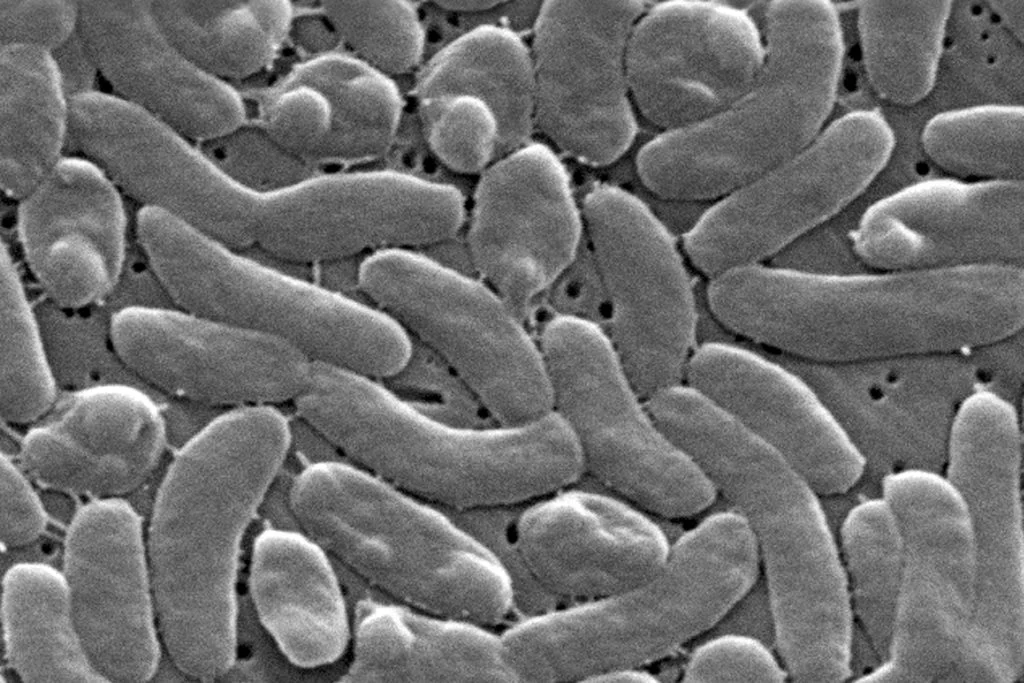
BATON ROUGE, La. — As the summer heat intensifies across the Gulf Coast, public health authorities are sounding an urgent alarm. A dangerous, flesh-eating bacterium known as Vibrio vulnificus is seeing a troubling spike in infection rates, prompting state officials in Louisiana to issue stern warnings to swimmers, anglers, and seafood enthusiasts alike. While the bacterium is a naturally occurring resident of coastal waters, the current season has brought a confluence of environmental factors that have elevated the risk to beachgoers, resulting in a higher-than-average mortality rate that has health experts deeply concerned.
Main Facts: A Deadly Season in the Gulf
The Louisiana Department of Health (LDH) confirmed nine cases of Vibrio vulnificus infections in the state this year. While the raw number might seem small in the context of general public health, the severity is stark: all nine patients required hospitalization, and tragically, five of those individuals have died. This represents a significant deviation from the ten-year historical average, which typically sees seven cases and one death during the same period.
Vibrio vulnificus is a gram-negative, halophilic (salt-loving) bacterium that thrives in warm, saline, or brackish environments. It is distinct from other Vibrio species due to its high virulence. According to the Centers for Disease Control and Prevention (CDC), Vibrio vulnificus carries a fatality rate of approximately 20 percent—meaning as many as one in five people who contract the infection may succumb to it. The bacteria enter the human body primarily through two routes: ingestion of contaminated raw shellfish or, more commonly, through direct contact between open wounds and infested coastal waters.
Chronology: A Decade of Data and a Recent Escalation
To understand the current crisis, one must look at the epidemiological trend over the last ten years. Historically, the Gulf Coast has functioned as the epicenter for Vibrio due to its unique combination of high water temperatures and ideal salinity levels in estuaries and lagoons.
- 2015–2025: For much of the past decade, Louisiana maintained a relatively stable, albeit concerning, baseline of Vibrio infections. The state’s historical average of seven cases per season provided a predictable framework for health departments to manage outreach and education.
- May 2026: As temperatures began to rise, the early-season environment in the Gulf created a "perfect storm" for bacterial proliferation. Experts note that Vibrio activity typically peaks between May and October, aligning with the warmest months of the year.
- August 2026: By the first week of August, the Louisiana Department of Health released updated data confirming that the 2026 season had already surpassed the ten-year average for total cases, and far exceeded the expected mortality rate.
- Regional Context: This trend is not isolated to Louisiana. Florida, which historically reports the highest volume of Vibrio cases in the nation, has already recorded 14 cases and two deaths this year. While this is lower than the 33 cases and five deaths reported in all of 2025, the volatility of these numbers is closely tied to tropical storm activity, which churns coastal sediments and alters salinity, often leading to spikes in bacterial concentrations.
Supporting Data: Climate Change and the Northern Migration
One of the most concerning aspects of the current Vibrio surge is its expansion beyond the traditional boundaries of the Gulf Coast. A landmark 2023 study published in the Annals of Internal Medicine indicated that the northernmost reach of Vibrio cases has been shifting northward at an average rate of 30 miles per year.
This migration is largely attributed to climate change. As global sea temperatures rise, marine environments that were once too cold for the bacteria to flourish are becoming viable habitats. The shift suggests that what was once considered a regional threat—specific to the Gulf—is becoming a national concern.
Furthermore, the relationship between extreme weather events and Vibrio is statistically significant. Historical records from Florida indicate that in years characterized by frequent tropical storms and hurricanes, case counts rise. These storms disrupt coastal ecosystems, potentially forcing the bacteria out of deeper, cooler sediments and into the shallow, warmer waters where humans recreate.
Official Responses: Guidance for the Vulnerable
Health officials are emphasizing a proactive approach to risk management. The primary directive from the Louisiana Department of Health is clear: "Seek medical care immediately if a wound exposed to brackish or salt water becomes red, swollen, painful, warm, or discolored."
For the average healthy individual, a Vibrio exposure might result in a minor skin infection. However, for specific populations, the consequences are often catastrophic. Those at highest risk include:
- Elderly individuals with compromised immune systems.
- Patients with liver disease (including cirrhosis or hepatitis), as the liver is responsible for clearing the bloodstream of bacteria.
- Diabetics, whose circulation and immune responses are often impaired.
- Individuals with chronic illnesses or those taking immunosuppressive medications.
Medical professionals stress that the "flesh-eating" description, while colloquial, is rooted in the bacteria’s ability to cause necrotizing fasciitis—a rapid destruction of skin and muscle tissue—which can necessitate surgical debridement or amputation.
Implications: Changing Behaviors at the Beach
The rising prevalence of Vibrio necessitates a fundamental change in how coastal communities interact with the ocean. The CDC and local health agencies have issued a set of revised protocols for beachgoers:
1. Wound Care and Protection
Any break in the skin—including cuts, scrapes, recent surgical incisions, tattoos, or piercings—should be considered a portal for infection. If a wound is exposed to saltwater or brackish water, it must be washed immediately and thoroughly with soap and clean, running water. If symptoms such as fever, chills, or darkening, blistering skin appear, it is considered a medical emergency.
2. Seafood Safety
The ingestion of raw or undercooked shellfish, particularly oysters, remains a major transmission vector. Because there is no visual or olfactory indicator of Vibrio contamination, consumers are advised to cook shellfish thoroughly. Boiling or steaming should be sufficient to neutralize the bacteria, provided the heat is applied for the appropriate duration. Consumers are also encouraged to discard any shellfish that do not open during the cooking process.
3. Personal Hygiene
Those at high risk, particularly those with compromised immune systems, are advised to wear protective gloves when handling raw shellfish. Handwashing after touching raw seafood or navigating coastal areas is essential to prevent accidental ingestion or cross-contamination.
Conclusion: A New Normal?
The 2026 Vibrio surge serves as a sobering reminder of the intersection between environmental health and human safety. As oceans warm and climate patterns shift, the habitats of pathogenic organisms are expanding, forcing public health systems to adapt rapidly.
"The environment we live in is changing," noted one public health official during a recent briefing. "We cannot stop the bacteria from existing in the ocean, but we can change how we interact with our coastlines. Vigilance is no longer optional; it is a necessity for survival."
As the summer continues, authorities urge the public not to avoid the coast entirely, but to approach it with a heightened level of respect and awareness. By recognizing the signs of infection early and adhering to safety protocols, residents and tourists can significantly mitigate the risks posed by this invisible but lethal aquatic inhabitant. The lesson for this summer is clear: the water may look inviting, but the microscopic dangers lurking within require a disciplined approach to health and safety.