








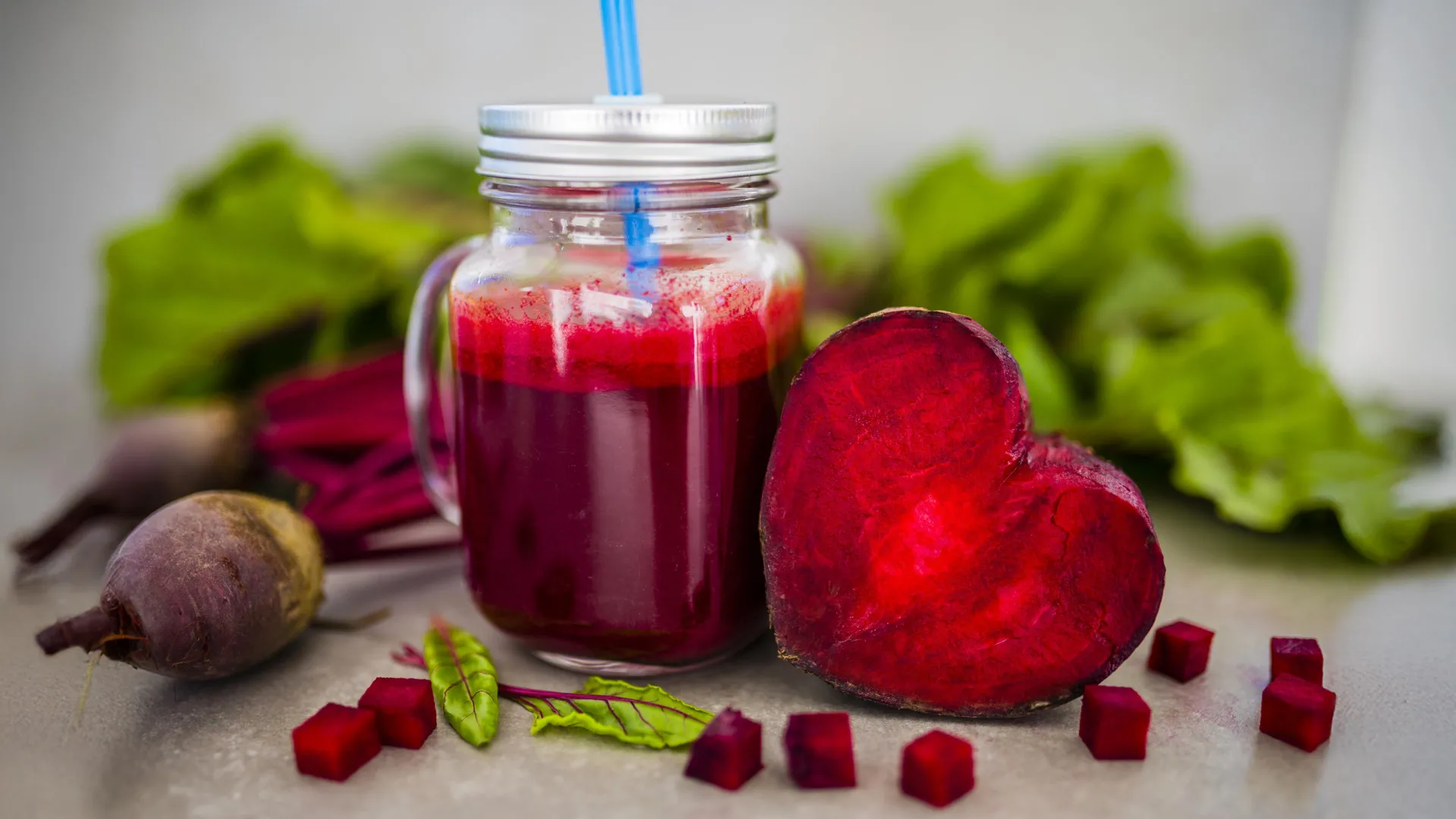
In the evolving field of preventative medicine, a surprising discovery has shifted the focus of cardiovascular research from the heart itself to a more humble, often overlooked location: the mouth. New research from the University of Exeter suggests that a simple, two-week dietary intervention involving nitrate-rich beetroot juice can significantly alter the oral microbiome in older adults, leading to measurable improvements in blood pressure.
This finding, published in Free Radical Biology and Medicine, offers a compelling look at how the tiny, diverse ecosystem of bacteria inhabiting our mouths acts as a biological "gatekeeper" for the nutrients we consume. By unlocking the potential of dietary nitrates, these bacteria play a crucial role in regulating nitric oxide, a molecule essential for keeping blood vessels flexible and healthy.
The Science of the "Nitrate-to-Nitric Oxide" Pathway
To understand why beetroot juice—or, for that matter, spinach, arugula, and kale—can impact blood pressure, one must first understand the body’s internal chemistry. Nitrate, a compound found in abundance in leafy green vegetables and root vegetables, serves as a precursor to nitric oxide.
However, humans cannot efficiently convert dietary nitrate into nitric oxide on their own. Instead, we rely on a symbiotic relationship with bacteria residing in the oral cavity. When we consume nitrate-rich foods, these bacteria perform a chemical reduction, converting nitrate into nitrite. Once swallowed, this nitrite enters the bloodstream and is further processed into nitric oxide.
Nitric oxide is a potent vasodilator. By signaling the smooth muscles surrounding our blood vessels to relax, it increases blood flow and lowers systemic blood pressure. As we age, the body’s natural production of nitric oxide begins to decline, often contributing to the rise in blood pressure frequently seen in individuals in their 60s and 70s. The Exeter study suggests that dietary intervention can essentially "jump-start" this failing biological pathway by optimizing the microbial composition of the mouth.
Chronology of the Exeter Clinical Trial
The study, which stands as the most comprehensive investigation into this specific biological pathway to date, utilized a rigorous, double-blind, crossover trial design. The research was conducted through the NIHR Exeter Clinical Research Facility and received support from the Exeter Clinical Trials Unit and the Biotechnology and Biological Sciences Research Council (BBSRC).
The Methodology
The trial involved a cohort of 75 participants: 39 adults under the age of 30 and 36 adults between the ages of 60 and 70. The trial was structured into two distinct two-week phases. During one phase, participants consumed a standardized dose of nitrate-rich beetroot juice twice daily. During the other, they consumed a nitrate-depleted placebo juice. A two-week "wash-out" period separated the phases, ensuring that any lingering effects of the previous dietary intervention were eliminated before the next began.
Bacterial Mapping
Throughout the trial, researchers employed advanced bacterial gene sequencing. This allowed the team to create a comprehensive map of the oral microbiome, identifying exactly which species were thriving and which were being suppressed by the influx of dietary nitrates. By comparing these microbial maps with the participants’ blood pressure readings taken at the end of each two-week period, the team was able to draw direct correlations between shifts in bacterial populations and physiological health outcomes.
Supporting Data: The Age-Specific Response
The most striking finding of the trial was the disparity between age groups. While both younger and older adults exhibited significant changes in their oral microbiomes after consuming the nitrate-rich juice, the cardiovascular benefits were largely confined to the older cohort.
The Microbial Shift
In older adults, the consumption of beetroot juice was associated with a marked decrease in Prevotella, a group of bacteria that, while common, is often linked to inflammatory states and poor oral health. Concurrently, the population of Neisseria—a genus associated with positive cardiovascular markers—increased significantly.
Blood Pressure Outcomes
At the study’s outset, the older participants presented with higher average blood pressure than their younger counterparts. By the end of the two-week beetroot juice intervention, the older group experienced a significant, clinically relevant reduction in blood pressure. Notably, this improvement was absent in the younger group. Researchers hypothesize that because younger adults already maintain high levels of endogenous nitric oxide production, the "boost" provided by the dietary nitrate pathway is redundant. For older adults, however, who are experiencing a natural decline in nitric oxide synthesis, this exogenous support acts as a vital compensatory mechanism.
Official Responses and Expert Perspectives
The academic community has received the findings with significant interest, viewing them as a potential blueprint for future nutritional strategies aimed at healthy aging.
Professor Anni Vanhatalo, the study’s lead author, emphasized the clinical implications of these results. "We know that a nitrate-rich diet has health benefits, and older people produce less of their own nitric oxide as they age," she stated. "They also tend to have higher blood pressure, which can be linked to cardiovascular complications like heart attack and stroke. Encouraging older adults to consume more nitrate-rich vegetables could have significant long-term health benefits."
Dr. Lee Beniston of the BBSRC highlighted the importance of the study as a model for future research. "This research is a great example of how bioscience can help us better understand the complex links between diet, the microbiome, and healthy aging," Beniston noted. "By uncovering how dietary nitrate affects oral bacteria and blood pressure in older adults, the study opens up new opportunities for improving vascular health through nutrition."
Co-author Professor Andy Jones underscored the potential for a more nuanced understanding of health: "This study shows that nitrate-rich foods alter the oral microbiome in a way that could result in less inflammation, as well as a lowering of blood pressure in older people. This paves the way for larger studies to explore the influence of lifestyle factors and biological sex in how people respond to dietary nitrate supplementation."
Implications for Future Medicine
The implications of this research extend far beyond the inclusion of beetroot juice in one’s daily diet. The findings suggest that the path toward a more personalized approach to nutrition is already written in the microbial code of our mouths.
The Problem with Antiseptic Mouthwash
One of the most provocative implications concerns oral hygiene. Recent studies, including a 2026 pilot study, have raised concerns that common antiseptic mouthwashes—such as those containing chlorhexidine—may be inadvertently damaging our cardiovascular health. By indiscriminately killing the very bacteria required to convert dietary nitrate into nitric oxide, these products may be hindering our body’s natural ability to regulate blood pressure. Research in animal models has suggested that using nitrate-fortified mouth rinses could potentially mitigate this, but further human studies are needed to confirm these findings.
A New Era of Personalized Nutrition
The variability in how different individuals respond to nitrate-rich foods suggests that the "one-size-fits-all" approach to diet is increasingly outdated. If two individuals eat the same serving of spinach, their physiological responses will differ based on the specific composition of their oral microbiome. Future diagnostic tools could potentially analyze an individual’s oral bacteria to determine if they would benefit from specific dietary adjustments, effectively turning the dinner plate into a medical tool.
Conclusion: A Shift in Perspective
While the researchers are quick to note that beetroot juice is not a replacement for prescribed blood pressure medication or medical intervention, the study offers a powerful, low-risk, and accessible strategy for supporting heart health. The findings reinforce the idea that the body is not a series of isolated systems, but a deeply integrated network where the health of the mouth is inextricably linked to the health of the heart.
As the scientific community moves toward larger-scale trials, the focus will shift to how lifestyle habits, such as smoking, alcohol consumption, and oral hygiene, interact with these delicate bacterial colonies. For now, the takeaway is clear: the journey toward healthier blood vessels may not begin in the heart, but in the mouth. Adding a serving of leafy greens or a glass of beetroot juice to a daily routine may be one of the most effective, science-backed steps an older adult can take to support their cardiovascular longevity.