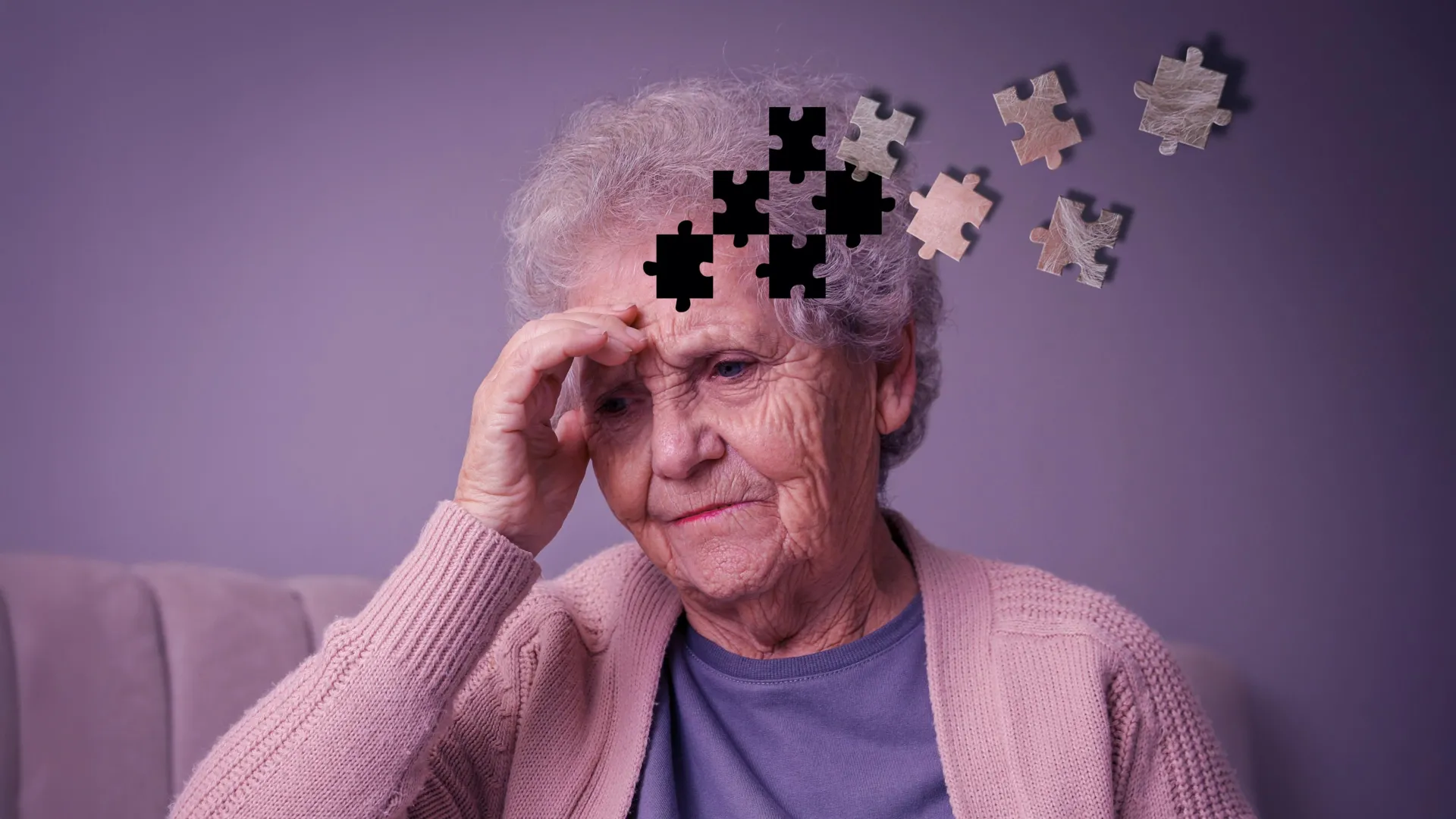
Women not only face higher rates of Alzheimer’s disease and other forms of dementia, but groundbreaking new research suggests they may be fundamentally more vulnerable to the physiological and environmental risk factors that trigger cognitive decline. As the global population ages, the search for a cure—or at least a viable prevention strategy—has reached a fever pitch. However, a major study from the University of California San Diego (UCSD) School of Medicine indicates that our current "one-size-fits-all" approach to brain health may be missing a critical variable: sex.
The findings, published on May 19, 2026, in the journal Biology of Sex Differences, offer a potential turning point in how clinicians, public health officials, and researchers approach the prevention of neurodegenerative diseases. By analyzing data from over 17,000 middle-aged and older adults, researchers have concluded that modifiable risk factors—such as hypertension, obesity, and metabolic health—do not impact men and women with equal force.
The Magnitude of the Crisis: Understanding the Data
To grasp the urgency of this research, one must first look at the sheer scale of the Alzheimer’s crisis. Nearly seven million Americans are currently living with Alzheimer’s disease, a number projected to climb as the "Silver Tsunami" of aging Baby Boomers continues. Within this group, women represent nearly two-thirds of all cases.
For years, the prevailing scientific consensus was that women were more represented in dementia statistics primarily because they live longer than men. While longevity is certainly a factor, the UCSD study suggests that lifespan alone is an insufficient explanation for the widening gap. The research team, led by Dr. Megan Fitzhugh and Dr. Judy Pa, sought to move beyond mere prevalence—how common a risk factor is—and examine the impact—how strongly a risk factor influences cognitive function in the brain.
Chronology: A Deep Dive into Modifiable Risk Factors
The study utilized data from the Health and Retirement Study, a gold-standard, nationally representative longitudinal survey of U.S. adults. Dr. Fitzhugh and Dr. Pa focused their analysis on 13 established dementia risk factors, categorized broadly into lifestyle, cardiovascular, and metabolic domains:
- Social and Educational: Education level, depression, and social isolation.
- Cardiovascular and Metabolic: Hypertension (high blood pressure), diabetes, obesity (measured via Body Mass Index), and heart health.
- Behavioral: Smoking, alcohol consumption, and physical inactivity.
- Sensory: Hearing loss.
The researchers conducted a comparative analysis, evaluating how these 13 factors correlated with cognitive test performance across sexes. The results revealed a startling dichotomy: while men and women share many of the same risk factors, the biological "cost" of those factors is significantly higher for women.
H3: The Disparity in Cognitive Impact
The study’s most compelling revelation was that even when a risk factor is more common in men, it may cause more severe cognitive damage in women. For instance, while hearing loss and diabetes were found to be more prevalent among the male participants, their statistical association with lower cognitive scores was notably steeper in women.
Furthermore, cardiometabolic conditions—specifically hypertension and elevated BMI—demonstrated a significantly stronger negative correlation with cognitive performance in female participants. This suggests that a woman’s brain may be more sensitive to fluctuations in cardiovascular health, meaning that even moderate spikes in blood pressure or weight could, over time, lead to more rapid cognitive deterioration compared to their male counterparts.
Official Responses and Scientific Perspective
The research team at UC San Diego is calling for a paradigm shift in the field of neurology. Dr. Megan Fitzhugh, the study’s first author and an assistant professor of neurosciences, emphasized that public health initiatives must evolve.
"Looking beyond which risk factors are most common, we found that some have a disproportionately larger impact on women’s cognition," Dr. Fitzhugh stated. "This suggests that prevention efforts may be more effective if they are tailored not just to risk factor prevalence, but to how strongly each factor affects cognition in women versus men."
Dr. Judy Pa, the senior author of the study and a professor of neurosciences, echoed this sentiment, highlighting the systemic oversight of biological sex in medical research. "These differences highlight the importance of considering sex as a key variable in dementia research," Dr. Pa remarked. "Sex differences are profoundly overlooked among many leading causes of death like Alzheimer’s, heart disease, and cancer. We are finally beginning to peel back the layers of why the female brain responds differently to systemic stress."
Implications: The Move Toward Precision Medicine
The implications of the UCSD study are vast, touching on clinical practice, policy, and individual health management.
H3: Redefining Prevention
If certain risk factors are "weightier" for women, then clinical guidelines for mid-life health screenings should be adjusted. For example, if hypertension is a stronger predictor of cognitive decline in women than it is in men, the threshold for aggressive blood pressure management might need to be lowered for female patients.
The researchers suggest that the path forward lies in "precision medicine." Instead of recommending the same lifestyle adjustments for every patient, doctors should prioritize interventions based on a patient’s specific risk profile. For women, this might mean a more vigorous focus on:
- Cardiovascular Vigilance: Aggressive management of blood pressure and metabolic health starting in mid-life.
- Psychological Well-being: Increased attention to managing depression, which may act as a greater catalyst for cognitive decline in women.
- Physical Activity: Tailored exercise programs that specifically target the cardiovascular-brain health axis.
H3: The Unanswered Questions
Despite these findings, the "why" remains a subject of intense investigation. The research team acknowledges that this study identifies the association but does not definitively prove the mechanism. Several hypotheses are currently being explored by the broader scientific community:
- Hormonal Influence: The role of estrogen and the transition through menopause as a potential "trigger" or "accelerant" for neurodegenerative processes.
- Genetic Susceptibility: Whether certain genetic markers (such as the APOE-ε4 allele) interact differently with the female hormonal profile.
- Systemic Factors: The role of unequal access to healthcare, the "double burden" of work and caregiving often placed on women, and how these chronic stressors impact long-term brain health.
Moving Toward a Targeted Future
The study, titled "Sex differences in modifiable risk factors of dementia and their associations with cognition," was supported by the National Institute on Aging and the Alzheimer’s Association. By providing a clearer picture of the gendered nature of cognitive decline, this research provides the roadmap for a more effective, targeted, and equitable approach to brain health.
As the authors conclude, the goal is not merely to track the statistics of decline, but to intercept them. By recognizing that women’s brains face a unique set of challenges, medical science can move away from generalities and toward the kind of individualized care that could ultimately save millions of women from the devastating progression of dementia.
For now, the message to the medical community is clear: in the fight against Alzheimer’s, gender is not just a demographic detail—it is a critical clinical factor that can no longer be ignored. Future studies will be vital to unraveling the precise biological intersections of these factors, but the foundation has been set. The "one-size-fits-all" era of dementia prevention is coming to an end, giving way to a new, more nuanced approach that recognizes the distinct, complex, and highly individual needs of the female brain.