





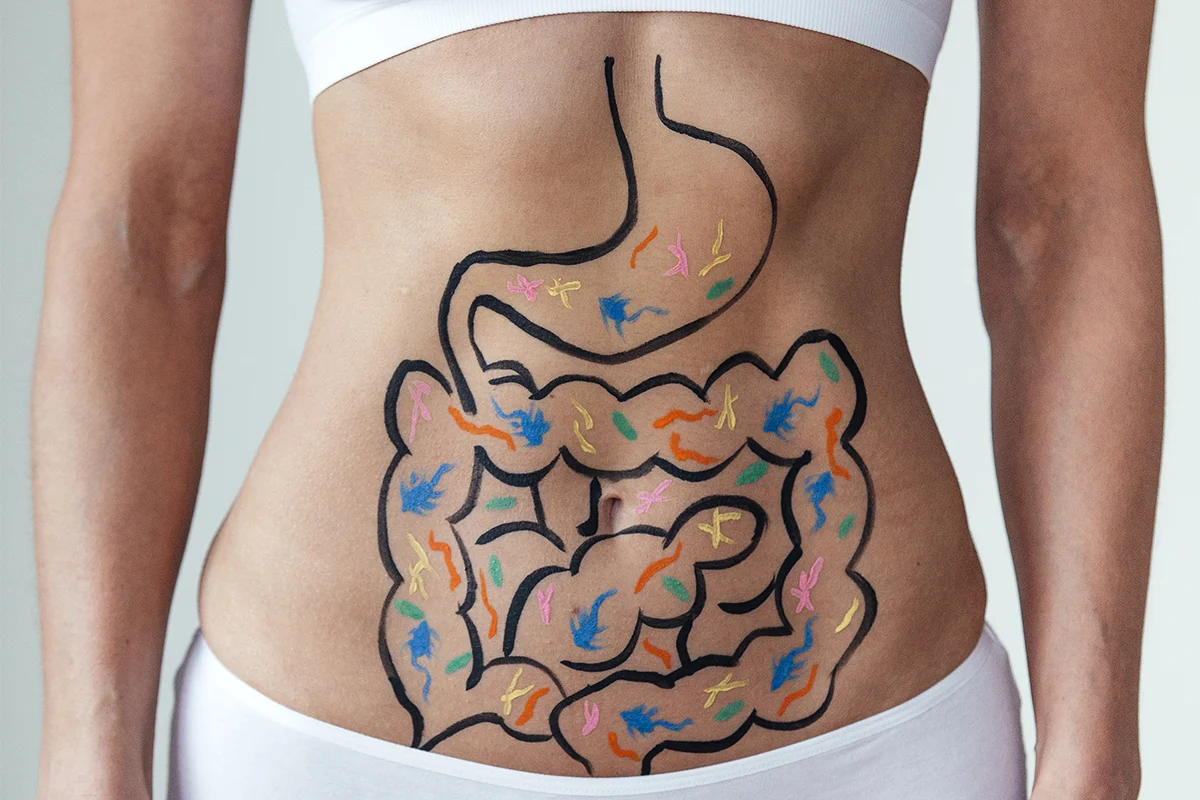
In the modern wellness landscape, the human gut has transitioned from a biological necessity to a cultural obsession. Once relegated to the realms of gastroenterology, the "microbiome"—the complex ecosystem of trillions of bacteria, viruses, and fungi residing in our digestive tracts—is now the centerpiece of health discourse. From social media influencers peddling expensive probiotic capsules to high-end functional medicine clinics, the message is clear: a healthy gut is the key to immunity, cognitive clarity, and sustained vitality.
However, amidst the noise of the supplement industry, a consensus is emerging among nutritional scientists and clinicians: we are looking for health in the wrong places. While consumers spend billions annually on targeted interventions, the latest research suggests that the secret to a thriving microbiome isn’t found in a pill bottle, but on the dinner plate. Dietary consistency, rather than sporadic, high-intensity interventions, remains the primary driver of digestive resilience.
Main Facts: The Pillars of Gut Integrity
The human microbiome functions as a "forgotten organ," influencing everything from the synthesis of neurotransmitters like serotonin to the regulation of systemic inflammation. When this ecosystem is balanced—a state known as eubiosis—the body functions optimally. When it is disrupted (dysbiosis), the fallout can manifest as digestive distress, autoimmune flare-ups, and chronic fatigue.
The fundamental truth of gut health is that it is a long-term game. It is not governed by the "magic bullet" of a trendy probiotic strain, but by three non-negotiable variables:
- Whole Food Diversity: The diversity of the microbiome is directly proportional to the diversity of plants in one’s diet. Fiber-rich whole foods provide the prebiotics—the non-digestible carbohydrates—that fuel beneficial bacteria.
- Fiber Intake: Fiber acts as a structural scaffold for the gut lining and a food source for short-chain fatty acid (SCFA) production, which are essential for maintaining the integrity of the intestinal barrier.
- Hydration: Water is the solvent in which all digestive processes occur. Without adequate hydration, the mucosal lining of the gut becomes compromised, leading to transit delays and potential inflammation.
Chronology: The Evolution of Gut Health Consciousness
To understand where we are, we must look at how our understanding of the gut has shifted over the last three decades.
1990s: The Era of Symptom Management
For much of the late 20th century, gut health was framed primarily as a matter of "treating symptoms." If a patient suffered from bloating or irregularity, the medical community turned to antacids or laxatives. The microbiome was acknowledged as existing, but its role in systemic health was largely underestimated.
2007: The Human Microbiome Project
The launch of the Human Microbiome Project by the National Institutes of Health (NIH) marked a paradigm shift. For the first time, researchers had the genomic tools to map the vast community of microorganisms inhabiting the human body. This period signaled the beginning of the "Microbiome Gold Rush," as scientists realized the sheer scale of the symbiotic relationship between humans and their bacteria.
2015–2020: The Rise of the Supplement Market
As the science entered the mainstream, the commercial sector reacted with speed. The market for probiotics, prebiotics, and postbiotics exploded. During this timeframe, wellness culture began to prioritize "hacks"—intermittent fasting, restrictive elimination diets, and heavy supplementation—often at the expense of sustainable eating habits.
2021–Present: The "Back to Basics" Movement
Post-pandemic, the wellness industry has seen a pivot. Clinicians and researchers are now pushing back against the "biohacking" trend. The current narrative, supported by longitudinal studies, emphasizes that the most significant improvements in gut health are achieved through long-term, consistent dietary patterns rather than acute supplementation.
Supporting Data: Why Consistency Trumps Intervention
A critical examination of clinical outcomes reveals a striking disparity between those who rely on "targeted" supplementation and those who adhere to foundational dietary patterns.
The Problem with "Sudden Changes"
Research indicates that the microbiome is highly adaptive but also sensitive to rapid environmental shifts. Frequent, sudden dietary changes—such as jumping from a standard diet to a strict keto or carnivore protocol—can induce a state of "metabolic shock" in the gut flora. This disruption can temporarily reduce the diversity of microbial species, leading to increased intestinal permeability, often referred to as "leaky gut."
The Fiber Factor
Data published in journals such as Nature and Cell consistently demonstrate that individuals consuming 30+ plant species per week possess a significantly more diverse microbiome than those who consume fewer than 10. This diversity acts as a biological insurance policy, protecting against pathogens and enhancing the host’s immune response.
Supplementation Limitations
While high-quality probiotics have their place—particularly in the recovery phase after antibiotic use—they are often used as "crutches" to mask poor dietary choices. A 2022 meta-analysis found that when dietary fiber intake is low, the efficacy of probiotic supplementation is statistically negligible. In short, if you do not feed the bacteria with fiber, adding more of them via a supplement is akin to pouring water into a cracked cup.
Official Responses: Insights from the Clinical Frontlines
Leading gastroenterologists and nutritional researchers have begun to voice concerns regarding the current trajectory of the wellness market.
Dr. Elena Rodriguez, a specialist in gut-brain axis research, notes:
"We see patients every day who have spent hundreds of dollars on specialized enzymes and bacterial strains, yet they aren’t drinking enough water or eating enough vegetables. They are looking for a miracle in a bottle. We need to shift the focus back to the ‘boring’ science: fiber, hydration, and meal regularity. The gut is a muscle of sorts; it responds to consistent, predictable inputs."
The Perspective of Registered Dietitians:
Professional nutritionists emphasize the "Foundational Habit" model. By shifting the focus from what to subtract (e.g., gluten, dairy, sugar) to what to add (e.g., lentils, fermented vegetables, cruciferous greens), patients see more sustainable results. The consensus is that the gut microbiome is highly resilient when provided with a stable environment, but fragile when subjected to the constant "dietary volatility" encouraged by internet trends.
Implications: The Future of Gut-First Wellness
The implications of this shift are profound for both the healthcare industry and the consumer.
1. The Death of the "Quick Fix"
The most important takeaway for the modern consumer is that gut health cannot be bought; it must be built. The industry is likely to see a cooling of the "supplement-first" mentality as evidence mounts that these products are secondary to whole-food nutrition.
2. Personalized Nutrition via Sustainability
The future of gut health lies in personalized, sustainable patterns. Rather than adopting a universal diet, individuals are encouraged to track their own digestive responses to fiber and hydration over months, not days. This "long-game" approach minimizes the risk of the gut-stability disruptions that occur with frequent dietary experimentation.
3. Policy and Education
Public health initiatives are beginning to prioritize "foundational literacy." If we want to reduce the burden of chronic digestive disease, the focus must shift toward food policy—making whole foods accessible—rather than just promoting the consumption of wellness supplements.
4. Psychological Wellbeing
Finally, there is the link between the gut and the mind. Chronic anxiety and stress, when paired with erratic eating habits, create a feedback loop that degrades the microbiome. By establishing consistency in our dietary habits, we provide a stabilizing influence on our entire physiology, proving that a calm gut often leads to a calmer mind.
Conclusion: A Return to the Plate
The pursuit of gut health has become unnecessarily complicated. While the microbiome is undoubtedly a complex biological system, our approach to nurturing it should be remarkably simple. By prioritizing the intake of diverse whole foods, maintaining consistent fiber levels, and ensuring proper hydration, we can foster a resilient internal ecosystem.
The era of the "bio-hacker" is giving way to the era of the "habit-builder." As we move forward, the most effective tool in our wellness arsenal remains the one that has been with us for millennia: a consistent, balanced, and fiber-rich diet. The journey to a healthy gut is not a sprint fueled by the latest supplement trend; it is a marathon of foundational habits that, when maintained with consistency, offer the greatest possible return on investment for our long-term health.