By [Your Name/Journalistic Staff]
With insights from Keith Appleton, LMSW, Combat Veteran
In the sterile, quiet atmosphere of a detox ward, a veteran—gripped by the jagged edges of post-traumatic stress disorder (PTSD) and the numbing cycle of addiction—stood at the threshold of departure. He was convinced, as so many are, that no civilian clinician could possibly fathom the terrain of his internal battlefield. To him, the therapist was a well-meaning stranger speaking a foreign language.
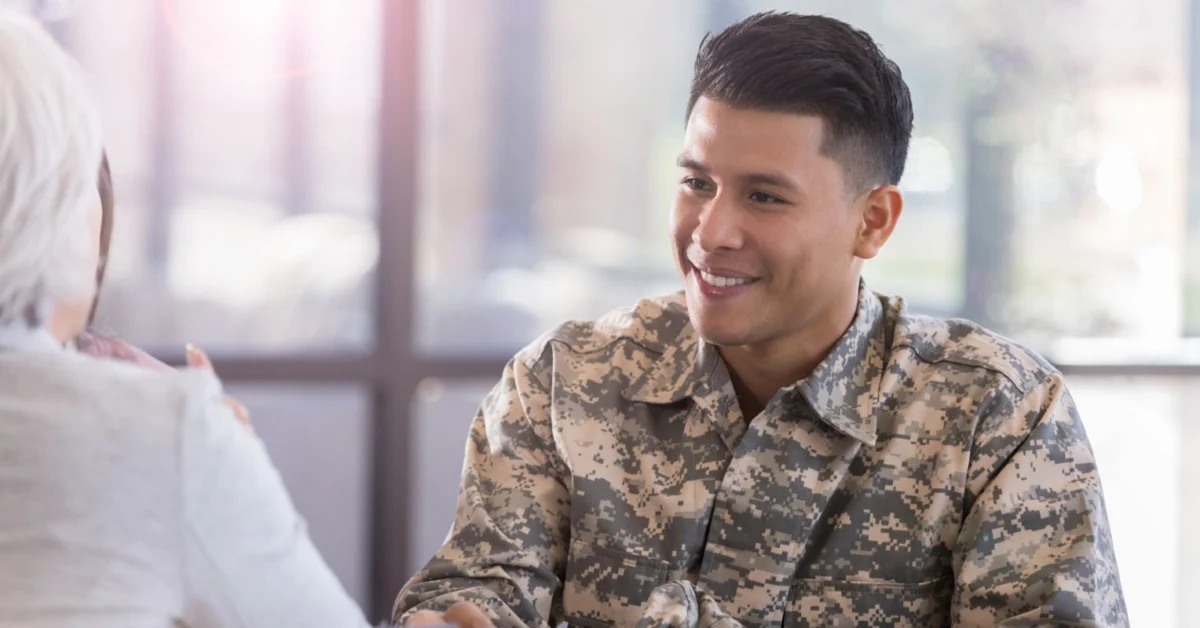
When Keith Appleton, a fellow veteran and licensed social worker, entered the room, the dynamic shifted. Appleton did not approach him as a patient to be managed, but as a soldier in need of a reorientation. By utilizing the shared vernacular of military service—framing the recovery process not as a passive retreat but as an active, strategic mission—Appleton bridged the chasm. The veteran stayed.
This moment, seemingly small, captures a profound systemic challenge: the critical need for culturally competent care. For the millions of veterans navigating the complex transition from service to civilian life, the success of mental health intervention often hinges on whether the provider understands that military service is not just a job—it is an identity, a culture, and a profound, life-altering experience.
The Reality of the Invisible Wound: Core Data
The statistics surrounding veteran mental health are sobering and demand an evolution in how we approach care. According to the National Center for PTSD (2023), roughly 7% of U.S. veterans live with PTSD, while over 20% grapple with substance-use disorders. Despite these figures, more than half of those in need never receive professional treatment.
The primary barriers are not merely logistical; they are rooted in the perceived disconnect between the military experience and civilian support systems. The U.S. Department of Veterans Affairs (2022) notes that stigma and the pervasive belief that civilians "just don’t get it" remain the leading reasons veterans disengage from help. For those conditioned by years of structure, high-stakes loyalty, and the specialized environment of a unit, entering a standard clinical setting can feel like walking into a void where their life’s most defining experiences are irrelevant.
Chronology of the Transition: From "Tribe" to Solitude
The transition from active duty to civilian life is not just a change in employment; it is an attachment rupture.
- The Forged Identity: Military service constructs a highly rigid, yet secure, sense of self. Rank, job titles, combat patches, and service ribbons are not mere ornaments; they are symbols of sacrifice and shared history.
- The "Tribe" Withdrawal: As author Sebastian Junger explored in his seminal work Tribe, humans have a primal need to belong to cohesive, purpose-driven groups. The military provides this "secure base." Upon leaving, the veteran is often stripped of this social structure.
- The Attachment Rupture: Using the lens of Attachment Theory (Bowlby, 1980), we can view the post-service transition as a loss of the primary attachment figure—the unit. Without a replacement "tribe," the veteran often experiences profound disorientation, leading to grief, isolation, and a descent into maladaptive coping mechanisms.
The Role of Cultural Competency in Clinical Settings
For clinicians, the goal is to help veterans move from a singular definition of self—"I was a soldier"—to a more expansive and adaptive identity. This does not mean erasing the past, but rather integrating it.
Bridging the Gap Through Military Literacy
Clinicians who prioritize "military cultural competency" are far more effective. This involves:
- Active Engagement: Asking about a veteran’s Military Occupational Specialty (MOS) and the significance of their insignia.
- Reframing Therapy as Mission: Utilizing the military value system—mentorship, goal-setting, and discipline—to structure treatment.
- Trauma-Informed Discipline: Applying familiar leadership principles to trauma-informed care (CBT or EMDR), which resonates with veterans who thrive under structured, goal-oriented guidance.
The Family as the Strategic Ally
A significant oversight in traditional veteran care is the exclusion of the family unit. When a veteran suffers from moral injury—the distress caused by actions, or inaction, that violate one’s ethical code—the entire family system is impacted.
Appleton highlights a case where a veteran carried the heavy burden of "moral injury" for not deploying with his unit after 9/11. By involving his spouse in the therapy process, the clinical team was able to reframe his service, affirming his worth as a protector and provider, regardless of his deployment status. Empowering families as allies, rather than observers, is a crucial component of systemic healing.
Beyond the Trauma: Honoring the Whole Deployment
A recurring flaw in mental health treatment for veterans is the hyper-focus on trauma. While PTSD is a reality, it is not the totality of a veteran’s experience. Veterans carry memories of profound beauty: the camaraderie of a birthday party in a war zone, the shared resilience of a desert sunset, or the pride of completing a physical challenge in extreme conditions.
Research into Post-Traumatic Growth (PTG) suggests that narrating these positive experiences is vital for long-term recovery (Dell’Osso et al., 2022). By integrating these moments of pride into the therapeutic narrative, clinicians help veterans build a coherent identity where trauma is a chapter, but not the entire book.
Implications for Future Policy and Care
To truly serve those who served, society must move beyond surface-level appreciation. The implications for the future of veteran healthcare include:
- Mandatory Cultural Training: Clinicians in private practice and VA facilities must undergo standardized training in military culture to reduce the "civilian-military divide."
- Systemic Integration of Families: Future treatment models should automatically include provisions for family-based therapy, recognizing that the "mission" of recovery is a collective one.
- Focus on Post-Traumatic Growth: Moving away from a "deficit-based" model that looks only for symptoms, and toward a "strength-based" model that leverages the veteran’s existing skills and leadership capabilities.
The Mission Continues
The transition from the battlefield to the counseling room is, in many ways, the final theater of war for many veterans. It is a place where the weapons are different—words, empathy, and professional guidance—but the stakes remain just as high.
"Veterans carry their experiences with them, invisible badges deserving of recognition, not avoidance," Appleton reflects. When care is delivered with precision, cultural sensitivity, and genuine respect for the veteran’s identity, therapy ceases to be a chore. It becomes a new mission—one that honors the past, calls upon the courage forged in uniform, and allows the veteran to define their own future.
As we look forward, the mandate for society is clear: we must ensure that the support systems provided to our veterans are as disciplined, reliable, and courageous as the individuals they serve. The mission does not end when the uniform is hung up; it merely evolves.
References
- Bowen, M. (1978). Family Therapy in Clinical Practice. Jason Aronson.
- Bowlby, J. (1980). Attachment and Loss: Vol. 3. Loss, Sadness and Depression. Basic Books.
- Davis, L. Y. (2023). Moral Injury: The Hidden Adversary of War.
- Dell’Osso L, et al. (2022). Post Traumatic Growth (PTG) in the Frame of Traumatic Experiences. Clinical Neuropsychiatry.
- Hurley, E. C. (2021). A Clinician’s Guide for Treating Active Military and Veteran Populations with EMDR Therapy. Springer Publishing.
- Junger, S. (2016). Tribe: On Homecoming and Belonging. Twelve.
- National Center for PTSD (2023). PTSD in Veterans: Facts and Figures. U.S. Department of Veterans Affairs.
- Shapiro, F. (2018). Eye Movement Desensitization and Reprocessing (EMDR) Therapy. Guilford Press.
- U.S. Department of Veterans Affairs (2022). National Veteran Suicide Prevention Annual Report.