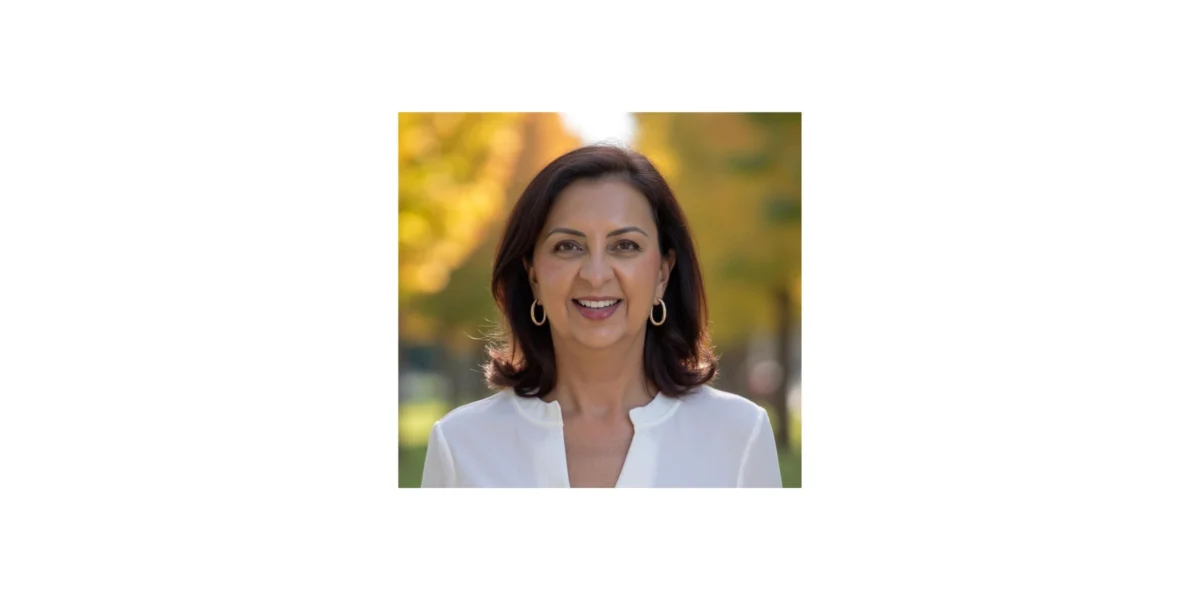
The landscape of sleep medicine is entering a pivotal era of transformation, and at the heart of this evolution stands a new institutional leader. During the recent SLEEP 2026 conference held in Baltimore, the American Academy of Sleep Medicine (AASM) officially installed Fariha Abbasi-Feinberg, MD, FAASM, FAAN, as the new president of its board of directors.
Representing a membership of 9,500 physicians, scientists, and allied health professionals, Dr. Abbasi-Feinberg steps into this role at a time when sleep health is increasingly recognized as a cornerstone of public health. Her tenure is expected to be defined by a commitment to clinical pragmatism, evidence-based innovation, and a robust advocacy agenda designed to bridge the gap between academic research and the realities of community-based practice.
Main Facts: A Leader for the Modern Era
Dr. Abbasi-Feinberg’s appointment is more than a formal transition; it marks a strategic pivot for the AASM. As the organization looks toward the remainder of the decade, the primary mandate for the board of directors is the execution of a multi-year strategic plan that prioritizes patient-centered care and member support.
The AASM, the leading professional organization for the sleep medicine field, serves as the primary voice for those tasked with diagnosing and treating the burgeoning global crisis of sleep disorders—ranging from obstructive sleep apnea to narcolepsy and circadian rhythm disturbances. Dr. Abbasi-Feinberg, who is based in Fort Myers, Florida, currently serves as the medical director of sleep medicine at the Millennium Physician Group. Her dual background as a board-certified neurologist and sleep medicine specialist provides her with the multidisciplinary expertise required to oversee an organization that operates at the intersection of neuroscience, pulmonology, and primary care.
Chronology: A Career Built on Clinical Excellence and Policy Advocacy
The trajectory of Dr. Abbasi-Feinberg’s career reflects a long-standing dedication to the infrastructure of sleep medicine, moving from the examination room to the boardroom.
- Educational Foundation: Dr. Abbasi-Feinberg earned her medical degree from the Drexel University College of Medicine in Philadelphia. She subsequently completed her neurology residency and a post-doctoral fellowship in EEG at the University of Maryland Medical System.
- Decades of Practice: With over 20 years of clinical experience, she has remained deeply embedded in the "real-world" challenges of patient care, practicing primarily in non-academic, private-sector settings.
- Rise within the AASM: Her institutional leadership began in earnest when she joined the AASM board of directors in June 2019.
- Policy and Reimbursement Leadership: Her influence expanded significantly through her tenure as chair of the AASM’s Coding and Compliance Committee and the Alternative Payment Models Task Force.
- National Representation: Serving as the AASM advisor to the American Medical Association’s (AMA) Relative Value Scale Update Committee, she became a national authority on the complex financial and regulatory structures that govern sleep medicine reimbursement.
This chronological progression demonstrates a deliberate evolution from clinical practitioner to a policy architect capable of shaping the economic and regulatory framework of the entire specialty.
Supporting Data: The Current State of Sleep Medicine
The urgency of the AASM’s mission is underscored by the current global health landscape. According to recent data from the National Institutes of Health (NIH) and the Centers for Disease Control and Prevention (CDC), sleep deficiency affects an estimated 50 to 70 million Americans. Chronic sleep loss is inextricably linked to increased risks of heart disease, type 2 diabetes, obesity, and cognitive decline.
Despite the prevalence of sleep disorders, the field faces significant hurdles:
- Access to Care: A persistent shortage of board-certified sleep specialists continues to create long wait times for patients seeking diagnosis.
- Reimbursement Complexities: As health systems transition from fee-for-service models to value-based care, sleep clinics must navigate evolving coding requirements to ensure that high-quality diagnostic and treatment services remain financially viable.
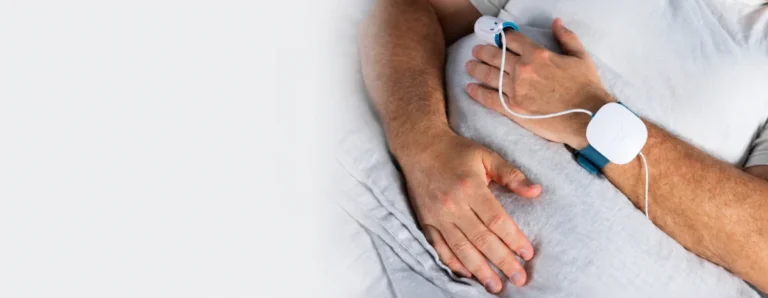
- Technological Integration: The rise of wearable health technology and home sleep apnea testing (HSAT) has revolutionized patient intake, but it has also created a burden of data management and diagnostic verification for clinicians.
Dr. Abbasi-Feinberg’s expertise in coding and compliance positions her uniquely to address the third point. By advocating for standardized reimbursement policies that reflect the intensity of care required for complex sleep cases, she aims to ensure that clinicians can leverage modern technology without compromising the depth of their patient-physician interactions.
Official Responses: The Vision for the Future
In her inaugural address and subsequent press statements following the SLEEP 2026 conference, Dr. Abbasi-Feinberg articulated a vision defined by adaptability and inclusivity.
"I have a strong interest in advocating for practical changes and advancements that will enable sleep clinicians in diverse settings to thrive and deliver high-quality care," Dr. Abbasi-Feinberg stated. Her remarks emphasized that sleep health is not a secondary concern but a fundamental pillar of systemic health. "Sleep and circadian care are fundamental to health care, so sleep clinicians have a vital role to play in our health care system. We need to ensure that health care policies and regulations value sleep care and empower sleep clinicians to excel in the diagnosis and treatment of sleep disorders."
By focusing on the "non-academic" perspective, she provides a voice for the thousands of clinicians who operate outside of university-affiliated research hospitals. "Having spent my career practicing sleep medicine in a non-academic setting, I understand the real-world challenges our members face every day," she noted. "I am committed to advancing practical, patient-focused solutions that improve access to care and outcomes."
Implications: The Path Forward for the AASM
The presidency of Dr. Abbasi-Feinberg carries several key implications for the field of sleep medicine over the coming years.
1. Strengthening Advocacy and Regulatory Influence
Under her leadership, the AASM is expected to double down on its presence in Washington, D.C., and within the halls of the AMA. With her background on the Relative Value Scale Update Committee, the AASM is well-positioned to lobby for payment models that incentivize quality over volume, potentially reshaping how insurance providers compensate sleep clinics for chronic disease management.
2. Evidence-Based Innovation
The AASM’s strategic plan emphasizes "evidence-based innovation." This implies that the organization will likely increase its investment in clinical practice guidelines that incorporate new modalities, such as tele-sleep medicine and AI-assisted diagnostic tools. The goal is to create a framework where innovation is not just permitted but standardized across the membership.
3. Fostering Inclusive Professional Development
With 9,500 members spanning various disciplines, the AASM faces the challenge of catering to both the high-level researcher and the frontline physician. Dr. Abbasi-Feinberg’s emphasis on "inclusive" strategies suggests a push toward resources that benefit diverse practice models, ensuring that whether a member works in a rural clinic or a multi-specialty urban medical group, they have access to the same high standards of clinical support.
4. Patient Outcomes as the Metric of Success
The ultimate measure of the AASM’s success under this new leadership will be the tangible improvement in patient outcomes. By reducing the friction between patients and their care providers—whether through better coding, more efficient diagnostic pathways, or improved education for primary care providers—Dr. Abbasi-Feinberg aims to cement the position of sleep medicine as a critical component of primary care.
Conclusion
The appointment of Dr. Fariha Abbasi-Feinberg as president of the AASM board of directors signals a shift toward a more pragmatic, policy-driven future for sleep medicine. Her deep-seated experience in the nuances of medical economics, combined with her decades of patient-facing practice, provides a balanced perspective that is essential for navigating the complexities of modern medicine.
As she assumes this leadership role, the sleep medicine community can expect a tenure characterized by high-level advocacy and a persistent focus on the "real-world" realities of clinical practice. By aligning the institutional priorities of the AASM with the day-to-day needs of its members, Dr. Abbasi-Feinberg is setting the stage for a period of growth that prioritizes both the practitioner and the patient. In the rapidly evolving landscape of 21st-century healthcare, her leadership ensures that the science of sleep remains at the forefront of the medical conversation, driving better health outcomes through innovation, policy reform, and unwavering professional advocacy.