






5 August, 2026
In a landmark initiative aimed at reshaping the landscape of preventative medicine, the European Respiratory Society (ERS) and the European Lung Foundation (ELF) have issued a continent-wide call to action. As the European Union prepares for its inaugural "EU Screening Week"—scheduled to take place from 28 September to 4 October 2026—respiratory professionals and patient advocacy groups are being urged to place lung health at the forefront of the European public health agenda.
This campaign, orchestrated under the umbrella of the European Commission’s cardiovascular strategy, represents a paradigm shift in how the EU approaches chronic disease management. By mobilizing stakeholders to host lung-testing events, the ERS and ELF aim to demonstrate that respiratory health is not merely a clinical specialty but an intrinsic component of overall cardiovascular and systemic well-being.
The Core Mandate: Placing Respiratory Health on the EU Map
The EU Screening Week is designed to be more than a symbolic awareness campaign; it is intended to serve as a catalyst for systemic change. The initiative focuses on three primary pillars: encouraging citizens to engage in proactive health behaviors, mobilizing multi-sectoral stakeholders, and creating a unified, visible health moment that resonates across all EU Member States.
For the respiratory community, the timing could not be more critical. Respiratory and cardiovascular systems are inextricably linked; poor lung health is a known precursor and exacerbator of cardiovascular disease. By integrating respiratory checks into this broader European framework, the ERS and ELF are advocating for a future where early detection is the norm rather than the exception.
The objective is clear: to elevate the profile of lung health and secure its place within routine, standardized preventative healthcare across Europe. Every event registered on the official European Commission platform contributes to a centralized, interactive map, visually demonstrating the breadth and depth of the commitment to lung health across the continent.
Chronology of a Movement: From Awareness to Integration
The push for standardized screening did not emerge in a vacuum. It is the culmination of over a decade of advocacy, research, and public engagement.
- 2014–2024 (The Foundation Phase): The Healthy Lungs for Life campaign established a robust international footprint. By combining scientific rigor with public-facing advocacy, the campaign successfully highlighted the environmental and behavioral determinants of lung disease.
- Early 2026 (Strategic Alignment): As the European Commission refined its cardiovascular plan, the ERS and ELF began high-level dialogues to ensure that respiratory health was not left out of the policy conversation.
- August 2026 (The Call to Action): The official announcement invites grassroots participation, marking the transition from policy development to community-level implementation.
- 20 September 2026 (The Deadline): The final cutoff for registering events on the European Commission portal, ensuring that all efforts are accounted for in the final data aggregation.
- 28 September – 4 October 2026 (EU Screening Week): The designated week for global mobilization, where the results of this advocacy will be physically manifested in clinics, community centers, and town squares across Europe.
Supporting Data and The "Healthy Lungs for Life" Blueprint
The efficacy of the EU Screening Week relies heavily on the "Healthy Lungs for Life" model. This proven methodology provides a framework for healthcare professionals and civil society organizations to translate complex clinical objectives into actionable community events.
Types of Interventions
The ERS and ELF are encouraging a diverse array of activities. These include:
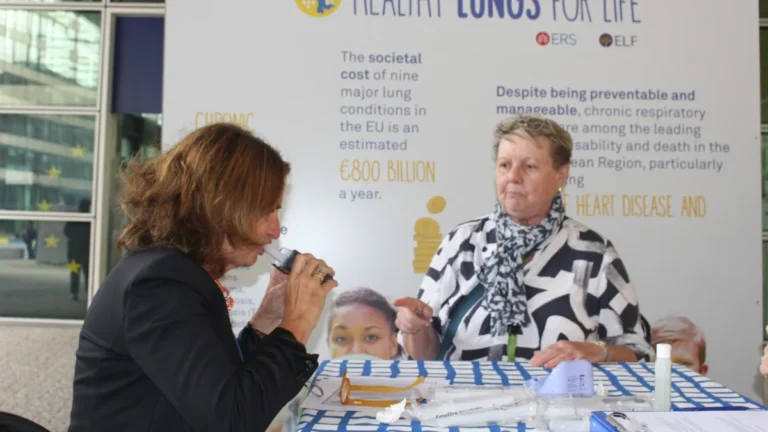
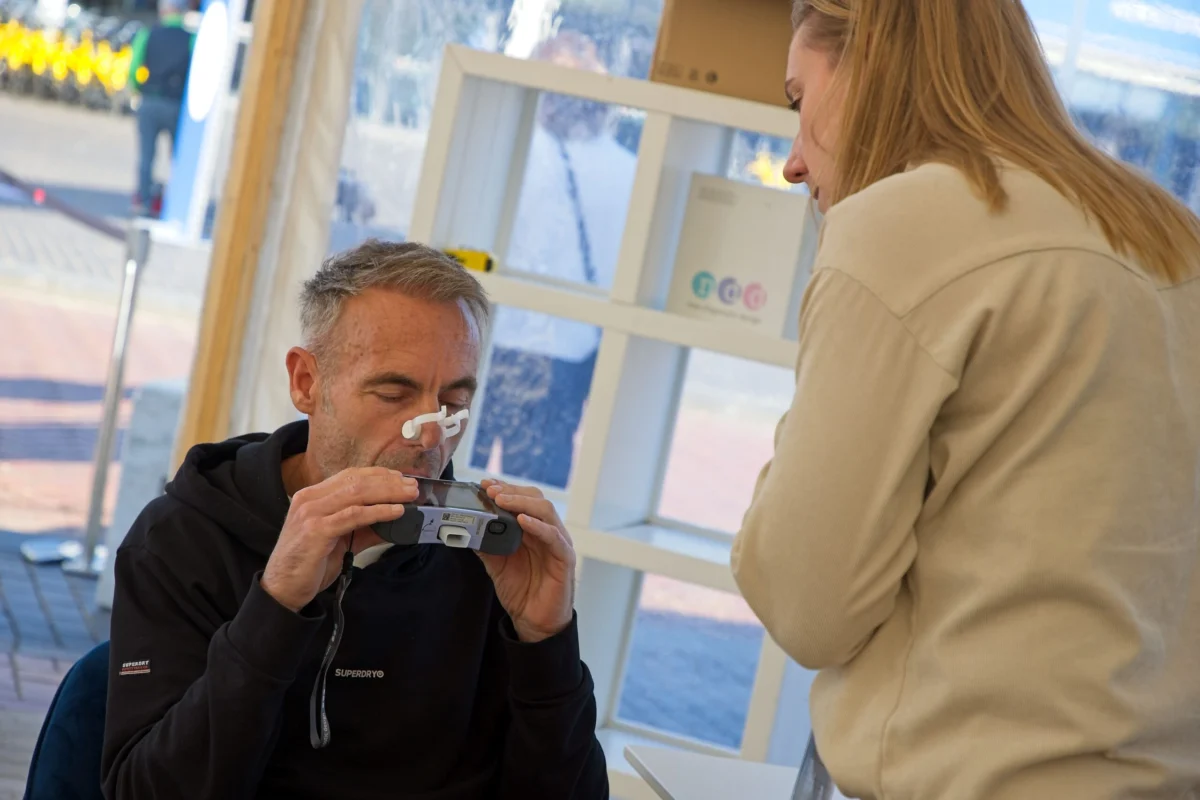
- Clinical Testing: Providing spirometry and other lung function tests in accessible settings to identify undiagnosed chronic respiratory conditions.
- Educational Outreach: Hosting sessions that demystify lung disease and provide guidance on smoking cessation, air quality management, and lifestyle modifications.
- Community Advocacy: Using public spaces to demonstrate the direct link between lung health and everyday quality of life, effectively bridging the gap between medical science and public perception.
The ERS has provided a comprehensive event toolkit to assist organizers in logistics, branding, and safety protocols. This resource is essential for ensuring that events, regardless of their size, contribute to a high-quality data set that can be used to influence future EU health policy.
Official Perspectives: A Vision for Institutional Change
The leadership at ERS views this initiative as a historic opportunity. Prof. Raquel Duarte, the incoming ERS Director of Scientific Relations with the EU, emphasizes that the urgency of this moment cannot be overstated.
"Prevention of respiratory diseases is at an extremely crucial moment," Prof. Duarte stated. "We are edging ever closer to ensuring that respiratory health checks form part of standardized health checks across Europe, but we need the help of our networks of professionals and patients to make it happen."
Prof. Duarte argues that the integration of respiratory screening into the European Commission’s cardiovascular plan would constitute a "game-changer." Her perspective is backed by economic and public health logic: by identifying conditions like Chronic Obstructive Pulmonary Disease (COPD) or asthma in their early stages, the burden on national healthcare systems is significantly reduced.
"Each event will make a difference to local people and will contribute to our ultimate objectives," Prof. Duarte added. "I encourage anyone who can to organize an event during the EU’s Screening Week—no matter how small or large. The benefits to public health, and to national and regional economies, would be vast."
The Strategic Implications: Moving Beyond "Awareness"
A common criticism of public health campaigns is that they often devolve into "awareness events"—temporary spikes in public interest that fail to produce long-term policy change. The EU Screening Week is explicitly designed to avoid this trap.
The Shift to Standardized Care
The goal of this initiative is to move respiratory screening from the realm of "optional" or "specialized" care into the category of "routine preventative screening." If successful, the data gathered during the 2026 Screening Week will be used to lobby for:
- Uniform Screening Guidelines: Establishing a standardized approach to lung health checkups across all EU member states.
- Resource Allocation: Demonstrating the necessity for dedicated funding for respiratory health within the EU’s broader health budget.
- Cross-Disciplinary Integration: Formalizing the connection between cardiovascular and respiratory diagnostic pathways, ensuring that patients treated for heart conditions are routinely screened for lung issues.
The Role of the Patient
Patient networks are the heartbeat of this initiative. By empowering patients to advocate for their own health, the ERS and ELF are creating a "bottom-up" pressure that complements the "top-down" policy efforts in Brussels. When patients demand access to routine testing, the political impetus for providing that access grows exponentially.
Conclusion: A Call to Action for 2026
As the September deadline approaches, the window for participation remains open. Whether a large-scale hospital initiative or a local community awareness workshop, every registered event acts as a data point that strengthens the argument for systemic reform.
The EU Screening Week 2026 is an invitation to redefine the boundaries of preventative care. By joining this movement, healthcare professionals and patient advocates are not just holding an event; they are participating in the construction of a more resilient, healthier European Union.
Interested parties are urged to register their activities via the European Commission’s official survey portal no later than 20 September 2026. For those needing guidance on how to structure their events, the Healthy Lungs for Life toolkit serves as an essential resource to ensure maximum impact.
The future of respiratory health in Europe depends on the collective actions taken in the coming weeks. The time to transition from awareness to action is now.