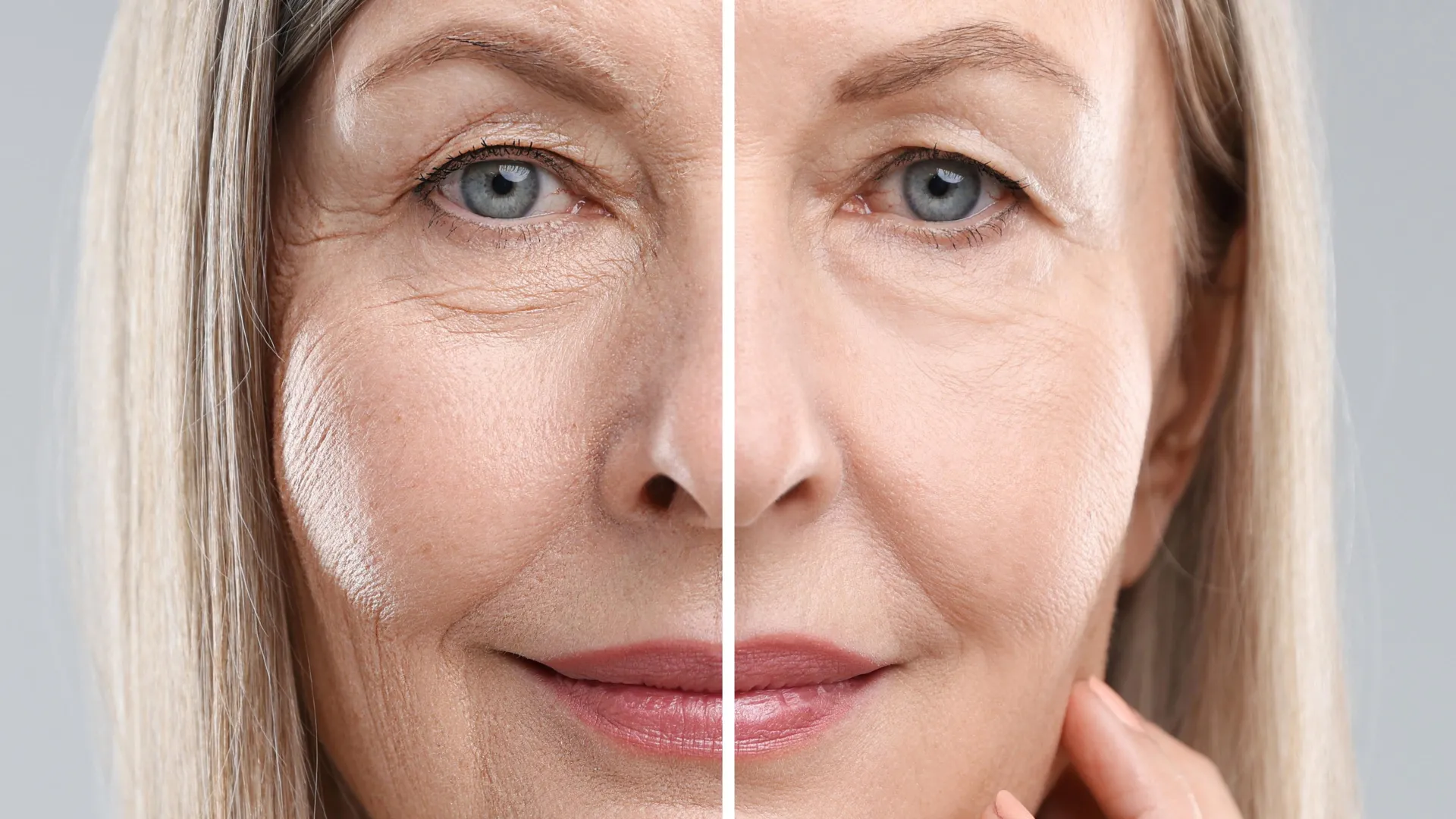
In a discovery that challenges the conventional wisdom regarding the inevitability of physiological decline, researchers from the University of Sydney have unveiled evidence suggesting that dietary modifications can, in fact, reduce a person’s "biological age." According to the study, published in the journal Aging Cell, adults aged 65 to 75 who adopted specific nutritional regimens saw meaningful improvements in their internal health markers in as little as four weeks.
The findings offer a compelling glimpse into the malleability of human health, suggesting that even in later life, the body retains a remarkable capacity to course-correct. By dialing back on dietary fats or shifting the balance of protein sources from animal-based to plant-based, older adults may be able to lower their biological age—a metric distinct from the number of candles on a birthday cake.
Understanding the Difference: Chronological vs. Biological Age
To grasp the significance of these findings, it is essential to distinguish between the two ways we measure time in the human body. Chronological age is simple: it is the tally of years since birth. It is a linear, unavoidable progression. Biological age, however, is a far more nuanced metric. It represents the physiological "wear and tear" on the body, reflecting how well an individual’s cells, tissues, and organs are functioning.
Two people of the same chronological age can be worlds apart biologically. Factors such as genetics, chronic stress, environmental exposure, and, most crucially, lifestyle choices like diet and exercise, dictate the speed at which we age at a cellular level.
The Biomarker Blueprint
For this study, the University of Sydney team—led by Dr. Caitlin Andrews of the School of Life and Environmental Sciences—utilized a sophisticated panel of 20 biomarkers to determine biological age. These markers, which included insulin sensitivity, lipid profiles (cholesterol), and C-reactive protein (a key indicator of systemic inflammation), provide a high-resolution snapshot of metabolic and physiological health. By analyzing these data points, researchers were able to quantify whether a participant’s body was functioning as if they were younger or older than their actual chronological age.
A Controlled Experiment: The Nutrition for Healthy Living Study
The research was conducted under the auspices of the University’s Charles Perkins Centre, specifically leveraging data from the "Nutrition for Healthy Living" study. The researchers recruited 104 participants between the ages of 65 and 75. To ensure the integrity of the data, the cohort was carefully screened: all were non-smokers with a body mass index (BMI) between 20 and 35, and none suffered from severe pre-existing conditions like type-2 diabetes, cancer, or advanced liver and kidney disease.
The Four Dietary Pillars
Participants were randomly assigned to one of four specific diet plans, all of which restricted protein intake to 14 percent of total energy to ensure consistency. The study design created a matrix of variables based on protein source (omnivorous vs. semi-vegetarian) and macronutrient composition (high-fat vs. high-carbohydrate).
- Omnivorous High-Fat (OHF): Half of the protein from animal sources, higher fat content.
- Omnivorous High-Carbohydrate (OHC): Half of the protein from animal sources, lower fat, higher carbohydrate content.
- Semi-Vegetarian High-Fat (VHF): 70 percent of protein from plant sources, higher fat content.
- Semi-Vegetarian High-Carbohydrate (VHC): 70 percent of protein from plant sources, lower fat, higher carbohydrate content.
The Verdict: Which Diet Moves the Needle?
The results were as surprising as they were rapid. The researchers observed that the Omnivorous High-Fat (OHF) group—whose dietary profile most closely resembled the standard Western diet participants had consumed prior to the study—exhibited no significant change in their biological age markers.
Conversely, the three remaining groups all demonstrated a statistically significant reduction in their biological age scores. The most profound shift was observed in the Omnivorous High-Carbohydrate (OHC) group. These individuals followed a diet where 14 percent of energy came from protein, 28–29 percent from fat, and 53 percent from carbohydrates.
The Power of Reduction
The common denominator among the successful groups was a conscious reduction in dietary fat or a strategic pivot toward plant-based proteins. This suggests that the metabolic stress induced by high-fat or high-animal-protein diets may be a primary driver of premature biological aging. By alleviating this burden, the participants’ bodies were able to recalibrate, leading to improvements in metabolic health markers that effectively "rewound" their biological clock.
Official Responses and Scientific Caution
While the data from the University of Sydney is undeniably provocative, the research team is adamant that these findings should not be interpreted as a "fountain of youth" discovery.
"It is too soon to say definitively that specific changes to diet will extend your life," noted Dr. Caitlin Andrews. "This research offers an early indication of the potential benefits of dietary changes later in life, but we must exercise caution before drawing broad conclusions."
Associate Professor Alistair Senior, who supervised the project, emphasized the necessity of longitudinal research. "While the four-week window provided us with fascinating data, we are looking at a snapshot in time," Senior explained. "Longer-term dietary studies are required to assess whether these shifts in biological age markers translate into a tangible reduction in the risk of age-related diseases like cardiovascular disease, cognitive decline, or metabolic syndrome."
The researchers are quick to highlight that a four-week reduction in a biological marker does not automatically equate to years added to one’s life expectancy. The primary goal of future research will be to determine if these gains are sustainable. If a person maintains these dietary habits for months or years, will the biological age continue to drop, or will it plateau? And, perhaps more importantly, can this "age reversal" be achieved in younger or older demographics, or even in populations with existing health complications?
Broader Implications: Redefining Healthy Aging
The implications of this study reach far beyond the dining table. If biological age can be lowered through relatively simple dietary interventions, it suggests that the trajectory of aging is not a predetermined fate. Instead, it is a dynamic process that responds to the environment we provide our bodies.
A Paradigm Shift in Geriatric Health
For decades, public health policy has focused on treating the symptoms of aging—managing hypertension, stabilizing blood sugar, and addressing inflammatory markers as they arise. This research supports a more proactive, preventative approach. By focusing on dietary patterns that optimize metabolic function, we may be able to influence the aging process itself, rather than merely managing its downstream effects.
The Role of Plant-Based Nutrition
The success of the semi-vegetarian groups highlights the growing scientific consensus regarding the role of plant-based proteins in longevity. While the omnivorous high-carbohydrate group also saw success, the consistent improvement across the semi-vegetarian cohorts reinforces the idea that reducing reliance on animal-based proteins can lead to improved metabolic profiles. As we continue to understand the microbiome and the inflammatory response to different food sources, it is becoming increasingly clear that the quality of our fuel plays a critical role in the maintenance of our cellular architecture.
The Path Forward: What Should You Do Now?
For the average adult looking to apply these findings, the path forward is not necessarily about adopting a restrictive, extreme diet. Instead, the study highlights the importance of balance.
- Prioritize Plant Sources: Moving toward a diet where plant-based proteins comprise a larger portion of your intake appears to be a beneficial strategy for internal health.
- Monitor Your Fat Intake: High-fat diets, particularly those lacking in healthy monounsaturated and polyunsaturated fats, were associated with stagnation in biological age improvement.
- Consult Professionals: As with any significant change in diet, especially for those aged 65 and older, it is imperative to consult with healthcare providers or registered dietitians to ensure that nutritional needs—such as B12, iron, and muscle-maintaining protein levels—are adequately met.
As the scientific community awaits the results of longer-term trials, the University of Sydney’s study stands as a beacon of hope. It reminds us that our bodies are resilient, constantly rebuilding and repairing themselves based on the building blocks we provide. While we may not be able to stop the clock of chronological time, we may have more control than we realized over the speed at which we tick.
For now, the advice is simple: be mindful of what you eat, favor plant-forward proteins, and keep a close eye on your health markers. As research continues to unravel the complexities of human aging, one thing remains clear: it is never too late to start investing in a biologically younger future.