In the United States, the illicit drug trade has undergone a catastrophic transformation. What was once a market defined by plant-based substances has been overrun by a wave of synthetic opioids—most notably fentanyl—that are cheaper to manufacture, easier to transport, and exponentially more lethal. Each year, fentanyl and its analogs claim more American lives than automobile accidents and gun violence combined. This silent epidemic has created a public health emergency that traditional treatment methods, such as naloxone (Narcan), are struggling to contain.
While naloxone is a life-saving tool that reverses the effects of an overdose, it is reactive, not proactive. It requires someone to be present, to recognize the signs of an overdose, and to administer the drug in a fleeting window of time. Now, a team of scientists at Scripps Research is shifting the paradigm. Rather than waiting for the tragedy to unfold, researchers have developed an experimental vaccine designed to intercept fentanyl before it ever reaches the brain, potentially offering a revolutionary prophylactic against one of the deadliest substances in modern history.
The Evolution of a Crisis: Why Fentanyl Defies Traditional Solutions
The pharmacological danger of fentanyl lies in its potency and its interaction with the human nervous system. In high doses, synthetic opioids infiltrate the brain and bind to opioid receptors, effectively hijacking the signals that regulate autonomic functions. Most critically, they suppress the brain’s ability to control breathing, leading to hypoxia and, frequently, fatal overdose.
For years, the public health response has been locked in an exhausting cycle of "playing catch-up." As regulatory agencies move to ban specific chemical structures, illicit manufacturers—operating in unregulated laboratories—simply pivot to creating "designer drugs." By tweaking the molecular structure of a compound, these illicit chemists create new analogs that are technically legal for a short time and often more potent than the originals.
"What this research shows us is that we don’t have to keep playing catch-up with every new synthetic designer drug that emerges," says Kim Janda, the Ely R. Callaway, Jr. Professor of Chemistry at Scripps Research and the senior author of the study published in the Journal of Medicinal Chemistry. "By training the immune system to recognize the entire fentanyl class—not just individual structures—we can stay ahead of illicit drug traffickers."
Chronology of a Scientific Breakthrough
The path to this vaccine was not a straight line. For years, Janda’s laboratory has been at the forefront of immunotherapy research for substance abuse, having previously developed vaccine candidates targeting both heroin and fentanyl. However, these earlier iterations were hampered by the limitations of traditional immunology.
The Conventional Wall
Traditionally, vaccines work by presenting the immune system with an antigen—a molecule that looks exactly like the pathogen or substance one wants to target. The body then produces antibodies that bind to that specific shape. In the context of drug vaccines, this presented two significant hurdles:
- Regulatory Constraints: Developing vaccines using the actual, highly regulated drugs is a logistical and legal nightmare, making research slow and cumbersome.
- Specificity Overload: Because the immune system is highly precise, an antibody trained to recognize "Fentanyl A" might be completely blind to "Fentanyl B," even if they are closely related.
The "Radical" Pivot
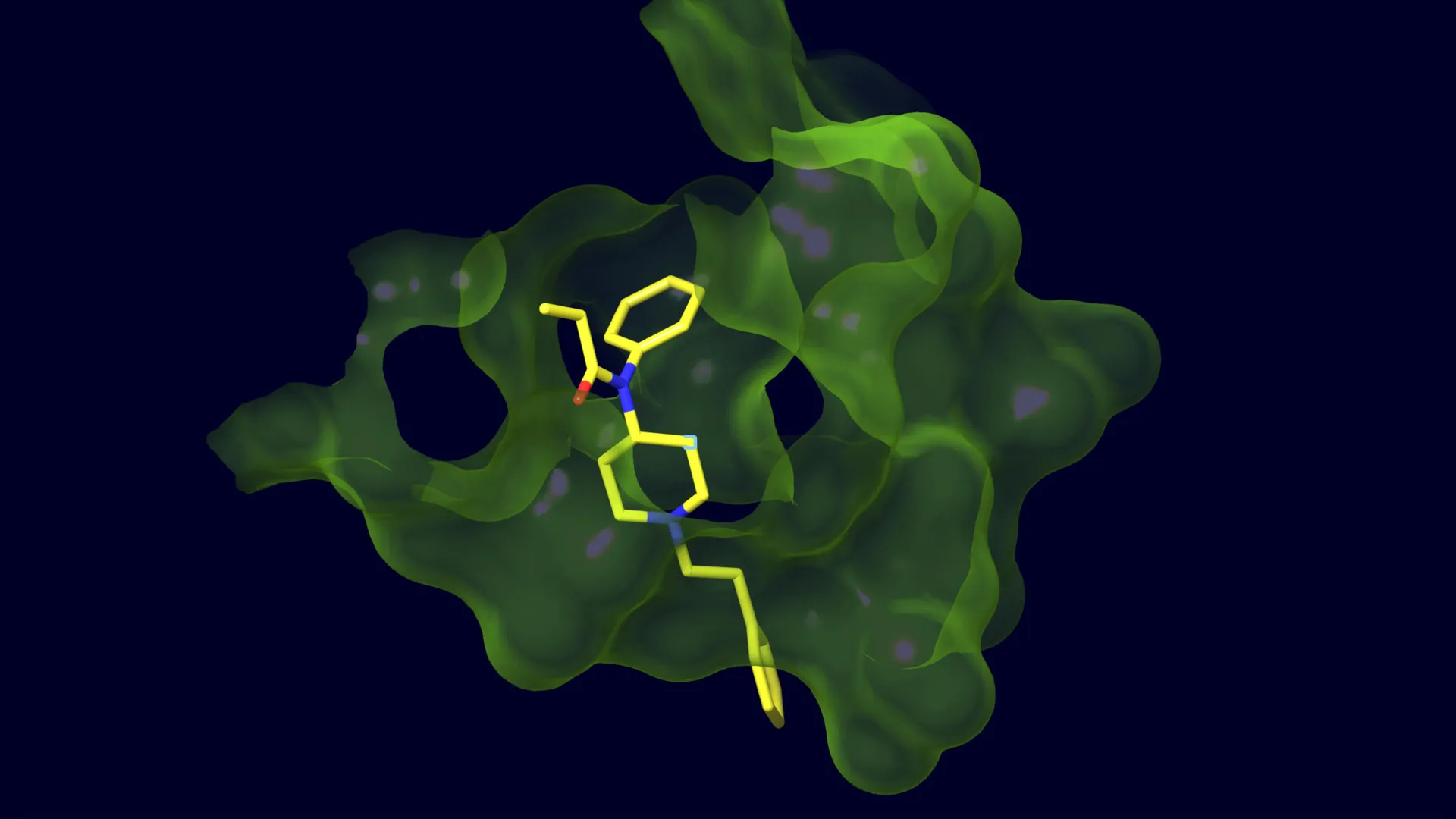
In the new study, the Scripps team took a counter-intuitive approach. Led by research associate Arran Stewart, the team stopped trying to "copy" fentanyl. Instead, they designed a molecule with a fundamentally different core structure that still shared the essential molecular "signature" of the fentanyl class.
"When we started testing this molecule as a vaccine component, we honestly didn’t know if it would work," says Stewart. "The conventional wisdom says that to get the immune system to recognize fentanyl, you have to use something that looks like fentanyl. We were doing the opposite."
The team attached this modified molecule to a carrier protein and administered a four-dose regimen to mice over eight weeks. The results were not just positive; they were transformative.
Supporting Data: Proof of Broad-Spectrum Protection
The data emerging from the Scripps laboratory provides a compelling argument for the viability of this vaccine platform. When the researchers tested the antibodies produced by the vaccinated mice, they discovered that the immune system had developed a "generalist" strategy.
Broad Recognition
The vaccine did not just target fentanyl. It successfully recognized a wide array of dangerous variants, including:
- Carfentanil: An ultra-potent analog often used as a large-animal sedative.
- China White: A common street name for various fentanyl derivatives.
- Acetylfentanyl and Furanylfentanyl: Potent synthetics frequently identified in overdose cases.
Crucially, the vaccine showed high selectivity. The antibodies did not bind to commonly used, life-saving medical opioids such as morphine, oxycodone, remifentanil, or alfentanil. This ensures that if a patient who has received the vaccine were ever in an accident and required surgery, their doctors would still be able to manage their pain effectively using standard medical opioids.
Functional Efficacy in Models
The physiological impact was equally striking. In animal testing, vaccinated mice demonstrated significantly higher resilience to opioid-induced respiratory depression. When exposed to doses of fentanyl that would typically cause severe respiratory collapse in an unvaccinated subject, the vaccinated mice maintained near-normal breathing patterns.
Perhaps most importantly, brain-imaging data showed that the antibodies effectively "sequestered" the drug in the bloodstream. The levels of fentanyl detected in the brains of the vaccinated mice were approximately 70% lower than those found in the control group. By preventing the drug from crossing the blood-brain barrier, the vaccine effectively rendered the dose non-toxic.
Official Responses and Peer Perspectives
The research, titled "Redefining Drug Immune Recognition: A Radically Reconfigured Molecular Architecture Enables Broad Fentanyl-Class Protection," has drawn significant attention from the scientific community. While the study is still in its preclinical stage, the implications for public health are profound.
The Shadek Family Foundation, which supported the work, has highlighted the importance of this shift in strategy. By moving away from "one-drug-one-vaccine" models, the Scripps team has provided a blueprint for how future vaccines might address rapidly mutating street drugs.
"The public health potential here is significant," Janda noted. "But so is the lesson that we can design vaccines that recognize an entire drug class, not just a singular drug."
Experts in addiction medicine have expressed cautious optimism. While vaccines cannot address the psychological root causes of substance use disorder, they represent a powerful harm-reduction tool. In a scenario where an individual is in recovery but experiences a relapse, this vaccine could act as a "safety net," preventing a fatal overdose and granting the individual a second chance to continue their treatment.
Implications for the Future of Public Health
As the research moves toward potential clinical trials, several questions remain. The team must determine the durability of the immune response—how long the protection lasts—and whether booster shots would be required to maintain efficacy against evolving variants.
However, the implications of this discovery extend far beyond the current fentanyl crisis. This "class-based" approach to immunization could theoretically be applied to other classes of synthetic drugs, such as stimulants or newer generations of designer substances that have yet to hit the black market.
Integrating the Vaccine into Society
If the vaccine proves successful in humans, the deployment strategy would likely focus on high-risk populations. This includes individuals currently enrolled in substance abuse recovery programs, those who have previously survived an overdose, and people in communities where the presence of fentanyl-tainted drugs is statistically highest.
By providing a layer of biological immunity, this vaccine could fundamentally alter the landscape of the opioid crisis. It does not replace the need for social programs, mental health support, or community outreach; rather, it provides a scientific foundation upon which these interventions can safely take place.
As the Scripps Research team prepares for the next phase of development, the message remains clear: the era of reactive, drug-by-drug defense is coming to a close. Through the sophisticated application of immunology, researchers are finally building a wall—not of legislation or surveillance, but of molecular science—that can stand up to the most dangerous drugs in the world.
The study was authored by Kim Janda, Arran Stewart, Lisa Eubanks, Bin Zhou, and Rachel Steinhardt, all of Scripps Research.