In a landmark discovery that could fundamentally alter the landscape of orthopedic medicine, researchers at Stanford Medicine have unveiled a promising new treatment capable of restoring lost knee cartilage. The study, published in the journal Science, identifies a specific protein—15-PGDH—as a primary driver of tissue aging. By inhibiting this protein, the research team successfully reversed cartilage degradation in older mice and demonstrated, for the first time, that human cartilage samples could be coaxed back into a regenerative, youthful state.
This breakthrough offers a potential alternative to the millions of invasive joint replacement surgeries performed annually. If successful in upcoming human clinical trials, this therapeutic approach could represent the first disease-modifying treatment for osteoarthritis, moving medicine beyond mere pain management and toward the actual biological restoration of joints.
The Core Discovery: Unmasking the "Gerozyme"
At the heart of the study is a protein known as 15-PGDH. Researchers have categorized this protein as a "gerozyme"—a biological enzyme that gains prominence as an organism ages, actively contributing to the decline of tissue health.
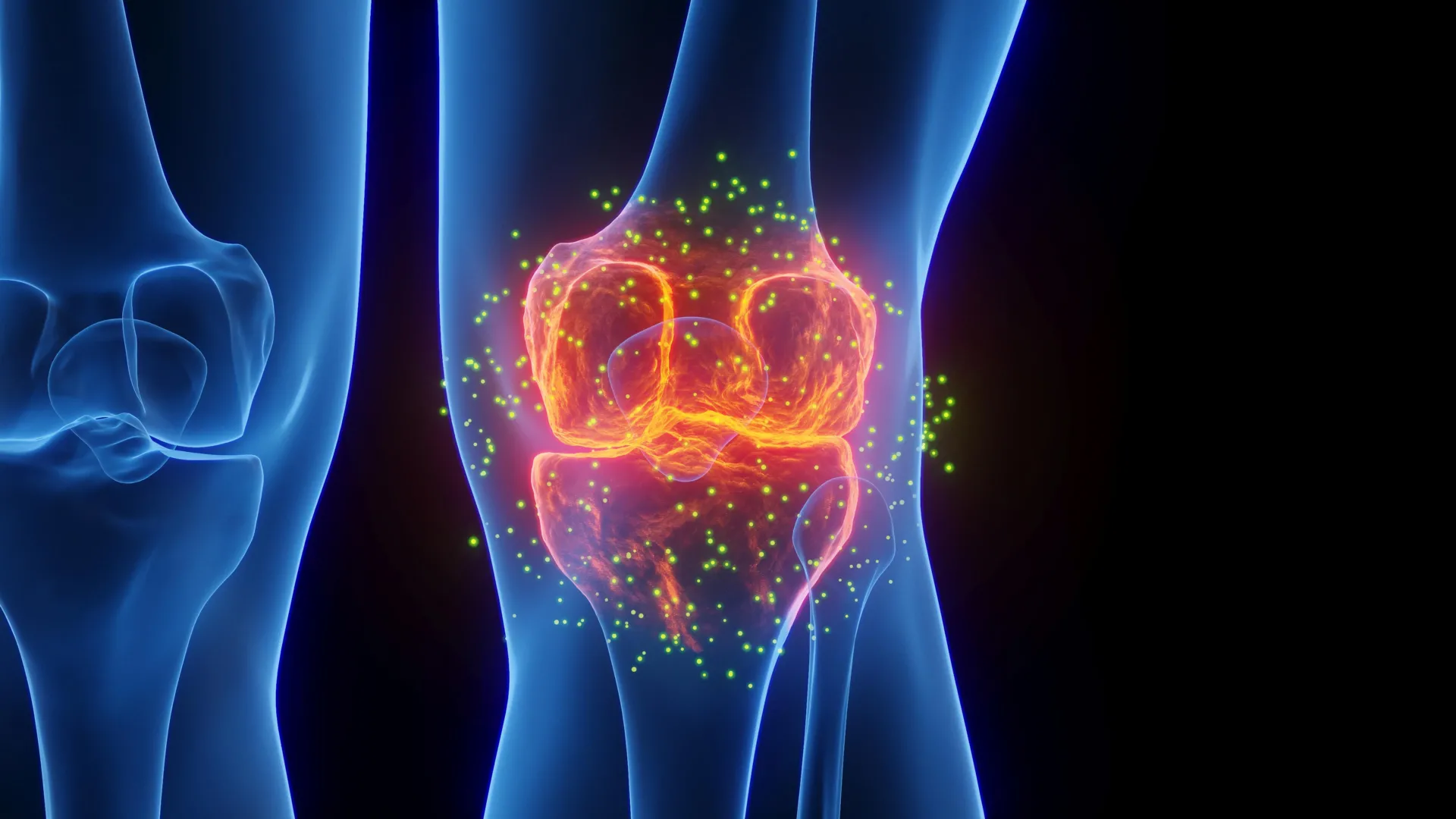
The Stanford team, led by Helen Blau, PhD, and Nidhi Bhutani, PhD, began their investigation by observing the natural decay of joint tissue. In a healthy state, articular cartilage—the smooth, slippery tissue covering the ends of bones—allows joints to move fluidly. In cases of osteoarthritis, however, this cartilage thins, breaks down, and causes bone-on-bone friction, resulting in chronic pain, inflammation, and loss of mobility.
While many regenerative efforts focus on stem cells, the Stanford team discovered that cartilage repair relies on a different mechanism entirely. Instead of relying on the proliferation of stem cells, existing cartilage-producing cells, known as chondrocytes, appear to possess an inherent ability to "reprogram" themselves. By inhibiting 15-PGDH, these cells shift their gene expression back to a more youthful state, allowing them to rebuild the extracellular matrix that defines healthy hyaline cartilage.
Chronology of the Research: From Muscle to Joint
The discovery did not happen in a vacuum. It was the culmination of years of inquiry into the role of prostaglandin E2 (PGE2), a lipid compound critical for cellular health.
2023: The Gerozyme Concept
The research team first identified the class of "gerozymes" in 2023. Their initial work focused on muscle tissue, where they found that 15-PGDH plays a pivotal role in age-related muscle atrophy. By blocking the protein in older mice, researchers observed a significant increase in muscle mass and endurance. Conversely, artificially increasing 15-PGDH in young mice resulted in accelerated muscle weakness.
Extending the Mechanism to Cartilage
Building on this foundation, the team hypothesized that if 15-PGDH could regulate muscle and bone regeneration, it might also influence the longevity of cartilage. Upon comparing cartilage samples from young and old mice, they confirmed that 15-PGDH levels approximately doubled with age. This correlation served as the catalyst for the current study.
The Experimental Phase
To validate their hypothesis, the researchers treated aged mice with a small-molecule drug designed to inhibit 15-PGDH. They utilized two delivery methods: systemic injections (targeting the whole body) and localized injections (targeting the knee joint directly). The results were immediate and profound. Cartilage that had thinned significantly due to age showed measurable thickening, and histological analysis confirmed the regrowth of high-quality hyaline cartilage—the type essential for proper joint function—rather than the fibrous, inferior scar tissue often seen in unsuccessful repair attempts.
Supporting Data: Fighting Post-Injury Arthritis
One of the most compelling aspects of the research involves the prevention of post-traumatic osteoarthritis. ACL tears and similar joint injuries are notoriously common in sports and accidents, and nearly 50% of those who suffer such an injury develop osteoarthritis within 15 years.
In a mouse model designed to mimic ACL injuries, researchers administered the 15-PGDH inhibitor twice weekly for four weeks. The treated animals showed a significantly lower incidence of arthritis compared to their untreated counterparts. Furthermore, functional tests showed that treated mice regained mobility more effectively, placing more weight on the injured limb and exhibiting gait patterns closer to those of healthy, uninjured animals.
The molecular analysis provided the "why" behind these results. In untreated, injured joints, 15-PGDH levels spiked to double that of healthy joints. In treated joints, the drug successfully suppressed this surge, effectively "resetting" the biological environment to prevent the transition from acute injury to chronic disease.
Official Responses and Expert Perspectives
The lead researchers view this development as a paradigm shift in how we treat the "wear and tear" of aging.
"This is a new way of regenerating adult tissue, and it has significant clinical promise," said Dr. Helen Blau, director of the Baxter Laboratory for Stem Cell Biology. "We were looking for stem cells, but they are clearly not involved. It’s very exciting to see that the cells already present in the joint can be re-activated to perform their original function."
Dr. Nidhi Bhutani, an associate professor of orthopedic surgery, emphasized the scale of the medical need. "Millions of people suffer from joint pain and swelling as they age. It is a huge unmet medical need. Until now, there has been no drug that directly treats the cause of cartilage loss. This gerozyme inhibitor causes a dramatic regeneration of cartilage beyond that reported in response to any other drug or intervention."
The team’s excitement is tempered by scientific rigor. They note that while the mouse models and human tissue samples show great promise, the transition to a clinical therapeutic requires careful validation. Because an oral version of the inhibitor is already being tested in clinical trials for age-related muscle weakness, the team is optimistic about the drug’s safety profile and the speed at which it could reach human trials for orthopedic use.
Implications: The Future of Orthopedic Care
The economic and human impact of this research cannot be overstated. Osteoarthritis affects roughly one in five adults in the United States and accounts for approximately $65 billion in direct healthcare costs annually. Currently, medicine is limited to palliative care—painkillers, anti-inflammatories, and physical therapy—followed by the "last resort" of total joint replacement.
1. Moving Beyond Replacement
If a 15-PGDH inhibitor can be administered via a simple injection or oral medication, it could potentially delay or eliminate the need for hundreds of thousands of knee and hip replacements every year. This would not only reduce the massive costs associated with surgery and long-term rehabilitation but also improve the quality of life for an aging global population.
2. A New Class of Regenerative Drugs
The success of this study suggests that "gerozymes" could be a master regulator of aging across multiple tissue types. If blocking 15-PGDH works for muscle, bone, and cartilage, the potential for other age-related regenerative therapies is vast. Future research could explore the protein’s role in the repair of liver, colon, nerve, and blood tissues, effectively turning the clock back on cellular degradation.
3. Ethical and Practical Considerations
As with any potential breakthrough, the road to the pharmacy shelf is long. The researchers have noted their involvement in patent applications for 15-PGDH inhibition, and the commercialization process will likely involve collaboration with biotechnology firms. The focus now shifts to the next phase: launching human clinical trials to test the efficacy of these inhibitors specifically for joint repair.
The team remains hopeful. As Dr. Blau noted, "Imagine regrowing existing cartilage and avoiding joint replacement. That is the potential breakthrough we are working toward." While it remains to be seen if the results in mice translate perfectly to the complex environments of human joints, the evidence gathered so far suggests that we may finally be on the cusp of curing the incurable, turning back the biological clock on one of the most persistent ailments of human aging.