For many, the simple act of eating is a source of pleasure and nourishment. But for an estimated 14 percent of the global adult population, food—and the digestive process itself—is a source of profound anxiety, unpredictable pain, and significant social isolation. Irritable Bowel Syndrome (IBS), once dismissed as a minor nuisance or a psychosomatic quirk, is increasingly being recognized as a debilitating chronic condition that fundamentally reshapes the lives of those it affects.
The severity of this burden is perhaps best illustrated by the drastic measures patients are willing to take for relief. Research indicates that many individuals living with chronic, severe IBS would be willing to trade 10 to 15 years of their life expectancy for an immediate, permanent cure. In other studies, patients have reported a willingness to accept a one-percent risk of sudden death in exchange for the elimination of their symptoms. These are not merely statistics; they are a testament to the crushing impact of a condition that can render daily life a logistical minefield.
The Reality of Life with IBS
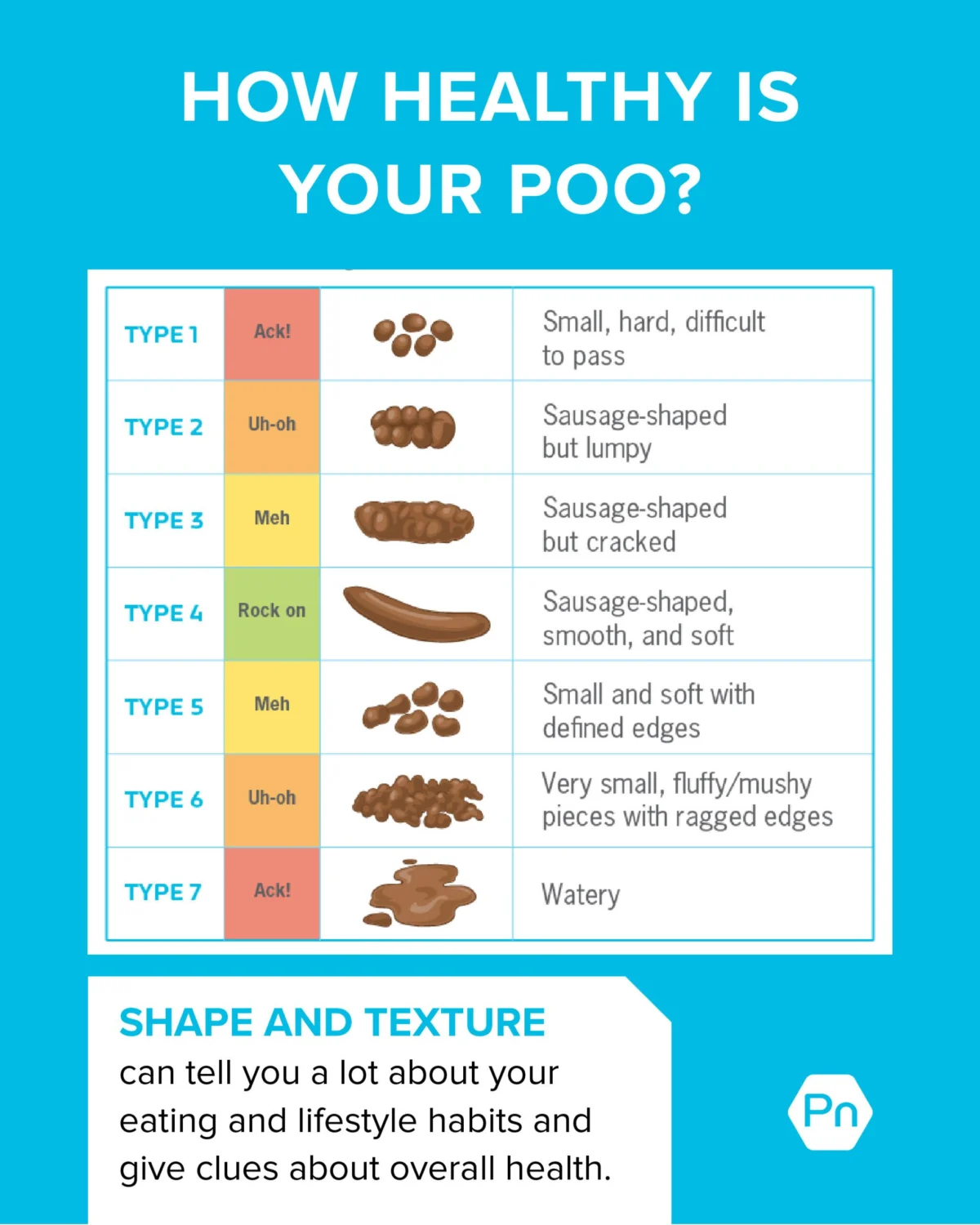
IBS is characterized by a range of symptoms, including urgent bouts of diarrhea, persistent constipation, excessive gas, and bloating. However, the physical symptoms are only half the battle. Many patients describe abdominal pain so intense that they compare it to the agony of childbirth.
This pain is not constant, but its unpredictability is what makes it so destructive. Flare-ups can strike at any moment, siphoning away concentration, destroying sleep, and dismantling work productivity. Over time, this creates a state of "gastrointestinal-specific anxiety." Patients begin to plan their entire existence around the proximity of private, clean restrooms. This hyper-vigilance leads to social withdrawal—avoiding restaurants, skipping family gatherings, and eschewing public exercise—effectively shrinking the sufferer’s world to the confines of their immediate comfort zone.
The psychological weight of this condition is significant. Studies suggest that individuals with IBS report a lower quality of life than those living with heart disease, diabetes, or even end-stage kidney disease. It is a condition that affects not just the gut, but the heart of a person’s social and professional well-being.
From "Spastic Colon" to Functional Disorder
For decades, the medical community struggled to categorize IBS. Because diagnostic imaging and blood tests often reveal no structural damage, inflammation, or infection, the condition was frequently mislabeled as a "spastic colon" or dismissed as purely psychological.

Modern medicine has shifted this perspective. Today, experts classify IBS as a functional neuro-gastrointestinal disorder. This means that while the "architecture" of the gut remains intact, the communication highway between the brain and the GI tract has malfunctioned. The nerves between the gut and the brain are not firing optimally; the brain may send unnecessary pain signals, or the gut may overreact to routine digestive processes. It is a biological reality, even if it cannot be seen under a standard microscope.
The Science of Sensitivity: Why IBS Occurs
Researchers are still piecing together the exact "why" behind IBS, but several compelling hypotheses have emerged.
1. Nerve Hypersensitivity
One primary theory suggests that the nerve endings in the GI tract of an IBS patient are essentially "turned up too high." A tiny gas bubble, which would go unnoticed by a healthy individual, can cause agonizing pain for someone with IBS. Conversely, if these nerves overreact, they can cause the muscles of the gut to contract with excessive force, leading to cramping and diarrhea. If they underreact, the transit of food slows down, resulting in painful constipation.
2. Microbiome Disturbances
There is a growing body of evidence linking IBS to the gut microbiome. Many patients report the onset of symptoms following a severe gastrointestinal infection, such as the Norovirus. This suggests that a significant event can permanently alter the delicate balance of gut bacteria, leading to chronic, long-term dysfunction.
The Diagnostic Challenge
Because the symptoms of IBS overlap with celiac disease, inflammatory bowel disease (IBD), food allergies, and even colorectal cancer, it is essential that patients consult a medical professional for a formal diagnosis.
A doctor will typically rule out these more dangerous conditions before confirming an IBS diagnosis. If you or a client are experiencing "red flag" symptoms—such as unexplained weight loss, blood in the stool, fever, or symptoms that wake you from sleep—seeking medical intervention is not just recommended; it is mandatory.

Once other conditions are excluded, a physician will identify the "type" of IBS, which determines the path forward:
- IBS-D: Predominantly diarrhea.
- IBS-C: Predominantly constipation.
- IBS-M: A mix of both, or alternating between the two.
Proactive Management: A Five-Pillar Approach
While there is no "cure-all" for IBS, PN Super Coach Sarah Maughan, a specialist certified through Monash University, notes that lifestyle interventions can be transformative. "My hope is for everyone with IBS to know they have options," Maughan says. "Whether that’s turning to a physician for medication or a health coach to learn about lifestyle changes, you can regain control."
1. The Role of Exercise
Moderate, regular movement—such as a daily 30-minute walk—has been shown to significantly reduce bloating and pain. Exercise appears to lower stress, balance the nervous system, and encourage the growth of beneficial gut bacteria, all of which contribute to a calmer digestive tract.
2. Stress Regulation
Stress is a powerful trigger for the gut. When the body is in a "fight or flight" state, it releases cortisol and norepinephrine, which can slow digestion or trigger sudden, violent contractions. Techniques like meditation, diaphragmatic breathing, and cognitive reframing (focusing on what is within one’s control) can act as a circuit breaker for the gut-brain axis.
3. The Pace of Consumption
How we eat is just as important as what we eat. Eating slowly and chewing thoroughly reduces the workload on the stomach. By "pre-digesting" food in the mouth, you allow the intestines to focus on absorption rather than mechanical breakdown. Furthermore, eating in a relaxed environment helps keep the nervous system in a "rest and digest" state, preventing the stress-induced pain signals that often follow a rushed meal.
4. Sleep Hygiene
The relationship between sleep and IBS is cyclical. Poor sleep increases systemic inflammation and stress, which worsens gut symptoms; in turn, gut pain makes it difficult to achieve deep, restorative sleep. Establishing a wind-down routine—such as journaling, light stretching, or avoiding blue light before bed—can help stabilize the body’s circadian rhythm and improve gut health.

5. Investigating Diet
Dietary triggers are highly individual. While categories like high-FODMAP foods (onions, garlic, wheat, certain fruits), caffeine, alcohol, and high-fat foods are common culprits, they do not affect every patient equally. Maughan emphasizes the importance of the elimination diet. By systematically removing potential triggers and slowly reintroducing them, patients can identify their specific tolerances and build a sustainable, personalized nutritional plan.
The Role of the Health Coach
For health coaches, navigating the intersection of IBS and lifestyle change requires a clear understanding of the scope of practice. Coaches can be invaluable partners in helping clients implement the habits mentioned above, but they must avoid the trap of "prescribing" or diagnosing.
The coach’s role is to act as a facilitator of experiments. When a client knows that dairy causes them distress but feels paralyzed by that information, a coach provides the psychological safety to test boundaries. "With knowledge, you have choices," says Maughan. A coach helps a client move from a place of fear to a place of agency, where they can choose to avoid a trigger when they have a big event, but enjoy a favorite food in a controlled setting without the anxiety of the unknown.
Conclusion: Empowering the Individual
IBS is a complex, often invisible, and deeply isolating condition. However, it is not a life sentence of inevitable suffering. By bridging the gap between medical guidance and daily lifestyle habits—exercise, stress management, intentional eating, and personalized nutrition—individuals can reclaim their quality of life.
The journey to managing IBS is, above all, a journey of self-discovery. It requires patience, experimentation, and, often, a professional partner to navigate the complexities. When we stop viewing the gut as a mysterious, failing organ and start treating it as a responsive system that thrives on consistency and care, we move from being victims of our digestion to the architects of our own well-being.