










Featured Buzz – January 11, 2026
The landscape of respiratory medicine is undergoing a profound transformation. As clinicians grapple with the complexities of chronic conditions, neonatal vulnerabilities, and the growing crisis of antimicrobial resistance, three recent breakthroughs offer a glimpse into a future where artificial intelligence (AI) and novel diagnostic imaging become the standard of care. From the routine use of electrocardiograms (ECGs) to detect lung disease to sophisticated AI models identifying lower respiratory tract infections (LRTIs) with unprecedented accuracy, medical science is rapidly integrating data-driven tools to improve patient outcomes.
1. AI-Powered ECGs: A New Frontier in COPD Screening
Chronic Obstructive Pulmonary Disease (COPD) remains one of the world’s leading causes of morbidity and mortality. Often underdiagnosed until the disease reaches an advanced stage, COPD typically requires spirometry—a test that is not always readily accessible in primary care settings.
The Mount Sinai Breakthrough
Researchers at the Mount Sinai Health System have introduced a groundbreaking methodology: using AI to "read" routine ECGs for markers of COPD. While ECGs are traditionally used to monitor cardiac electrical activity, this study suggests that the subtle structural changes caused by COPD—such as hyperinflation of the lungs and the resulting shifts in the heart’s position—leave a "digital fingerprint" on the ECG tracing.
Chronology and Methodology
The research team embarked on a massive data-mining project, aggregating 208,231 ECGs from 18,225 patients diagnosed with COPD across five Mount Sinai hospitals in New York. To ensure the model was learning specific pathological markers, they compared this data against 552,771 ECGs from 59,356 control patients, meticulously matched by age, sex, and race.
By training a Convolutional Neural Network (CNN) on this vast dataset, the researchers developed an algorithm capable of identifying COPD cases based solely on the ECG waveform. The model underwent rigorous testing, including an internal cohort validation and two external validation cohorts, the latter consisting of 258 confirmed COPD cases and 1,290 matched controls.
Clinical Implications
The researchers emphasize that this tool is not intended to replace spirometry, which remains the gold standard for diagnosis. Instead, the AI-enhanced ECG serves as a powerful "opportunistic" screening tool. By flagging patients at risk during routine heart screenings, physicians can initiate earlier interventions, such as smoking cessation counseling, targeted pulmonary rehabilitation, and pharmacological therapy, potentially slowing the disease’s progression and reducing the overall burden on the healthcare system. The findings were recently published in eBioMedicine.
2. Precision in Neonatal Care: Lung Ultrasound and Extubation Success
In the high-stakes environment of the Neonatal Intensive Care Unit (NICU), the decision to extubate a very low birth weight (VLBW) infant is fraught with difficulty. Premature failure of extubation—leading to the need for reintubation—is associated with increased mortality and longer hospital stays.
Predicting Success via Ultrasound
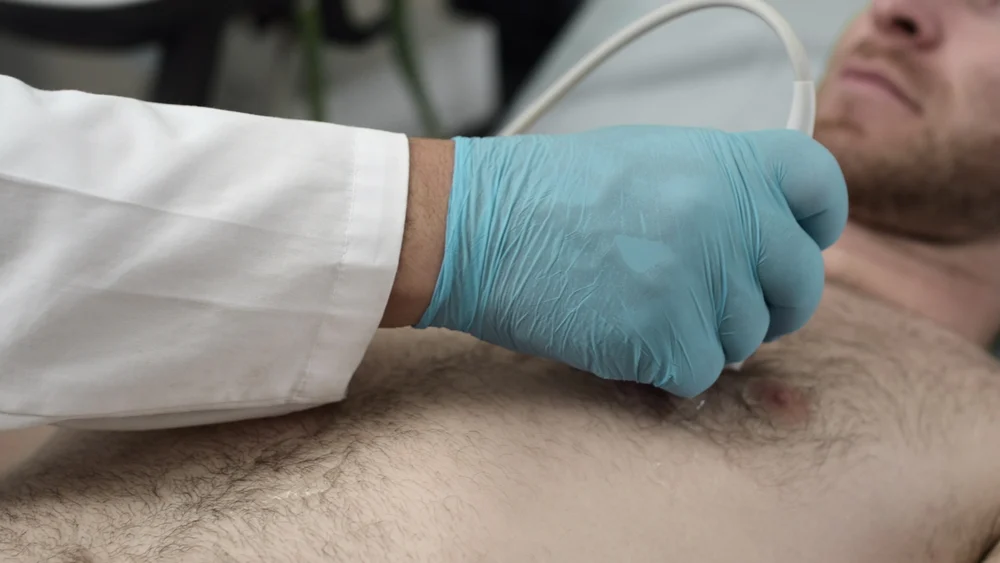
A research team from the University of Chicago has identified a reliable predictor for successful extubation: the neonatal-adapted lung ultrasound (LUS) score. In a study comparing 45 VLBW infants intubated for respiratory distress syndrome (RDS), the team performed LUS assessments three to six hours before each of the 53 extubation attempts.
Key Data and Findings
The study found that a standardized LUS score, when performed on the day of the procedure, serves as a highly accurate predictor of whether an infant will successfully transition off mechanical ventilation. Interestingly, the study also provided data regarding pharmacological interventions, noting that dexamethasone treatment—often used to reduce inflammation—did not correlate with lower LUS scores, providing clarity for neonatologists managing these fragile patients.
Why This Matters
For clinicians, the "take-home" message is clear: diagnostic imaging is evolving. By utilizing non-invasive, radiation-free ultrasound scores, medical teams can make more informed decisions about when to remove mechanical support. This reduces the risks associated with prolonged intubation and empowers NICU teams to act with greater confidence. The study was published in the Journal of Perinatology.
3. Combating Antibiotic Resistance: AI and Biomarkers in LRTI Diagnosis
The overuse of antibiotics is a global health crisis, particularly in Intensive Care Units (ICUs) where clinicians often treat suspected pneumonia before confirmatory cultures return. This "better safe than sorry" approach frequently results in the administration of broad-spectrum antibiotics, fueling the rise of multidrug-resistant organisms.
The UCSF Diagnostic Model
Researchers at the University of California, San Francisco (UCSF), have developed an AI-driven diagnostic framework that could drastically curb inappropriate antibiotic use. Their approach combines biological data with sophisticated language modeling.
The model relies on two primary inputs:
- The FABP4 Biomarker: A protein found in lung fluid that helps regulate inflammation. In patients with an active infection, FABP4 expression is significantly lower than in healthy lung cells.
- Generative AI Analysis: The model integrates clinical notes, chest X-ray reports, and electronic medical record (EMR) data to create a holistic clinical picture.
Testing and Accuracy
In an observational study of critically ill adults, the AI model achieved a 96% diagnostic accuracy rate, significantly outperforming human clinicians. When researchers reviewed the cases, they concluded that the integration of this AI tool could have reduced the use of inappropriate antibiotics by more than 80%.
Official Responses and Future Outlook
The research team, whose work was published in Nature Communications, envisions this tool being accessible via any HIPAA-compliant GPT-4 interface. This accessibility is key to its future deployment in clinical practice. The UCSF team is currently working to validate the model as a clinical-grade diagnostic test and is already exploring the application of similar AI/biomarker frameworks to the diagnosis of sepsis—a condition where every minute of accurate treatment counts.
Implications for the Future of Healthcare
The common thread linking these three studies is the integration of high-fidelity data into routine clinical workflows. Whether it is an ECG screening for COPD in a primary care office, an ultrasound in a NICU, or a generative AI model in the ICU, the goal is the same: earlier, more accurate intervention.
Data-Driven Decision Making
The shift toward AI-assisted diagnostics represents a move away from purely subjective clinical judgment toward an "augmented intelligence" paradigm. By providing clinicians with real-time data—such as the probability of COPD based on an ECG or the likelihood of an LRTI based on a FABP4 biomarker—these tools act as a safety net, ensuring that subtle signs of disease are not overlooked.
A Pragmatic Approach to Quality of Life
The authors of these studies are careful to frame their work as supportive rather than disruptive. They emphasize that technology is not meant to replace the physician but to enhance their decision-making capabilities.
- For COPD patients: Earlier recognition means slowing disease progression and preserving lung function.
- For premature infants: Improved extubation timing means a faster path to natural breathing and a reduction in the complications of mechanical ventilation.
- For critically ill adults: Precision diagnosis means the right antibiotic at the right time, preserving the effectiveness of our current antimicrobial arsenal.
Conclusion: The Road Ahead
As these technologies transition from the research laboratory to the bedside, the healthcare community must prepare for a new standard of diagnostic rigor. The integration of AI into clinical practice is no longer a speculative future; it is an active, ongoing evolution. With continued validation and widespread adoption, these innovations promise to reduce the healthcare burden, lower costs, and, most importantly, save lives.
For further reading on these studies, please refer to the links provided by the researchers in the respective journals: eBioMedicine, the Journal of Perinatology, and Nature Communications.