As the summer sun hits its peak, millions of Americans are heading to farmers’ markets and grocery stores to stock up on the season’s fresh produce. However, this year’s harvest has been overshadowed by a concerning, large-scale outbreak of Cyclospora infections. Spanning across more than 30 states and causing significant illness in Michigan alone, this microscopic parasite has prompted health officials to issue urgent guidance on food safety, hygiene, and preparation techniques.
While the exact source of this widespread contamination remains elusive, the medical community is urging the public to remain vigilant rather than fearful. By understanding the nature of the parasite and implementing rigorous cleaning protocols, consumers can continue to enjoy fresh fruits and vegetables while minimizing the risk of infection.
The Anatomy of an Outbreak: Understanding Cyclospora
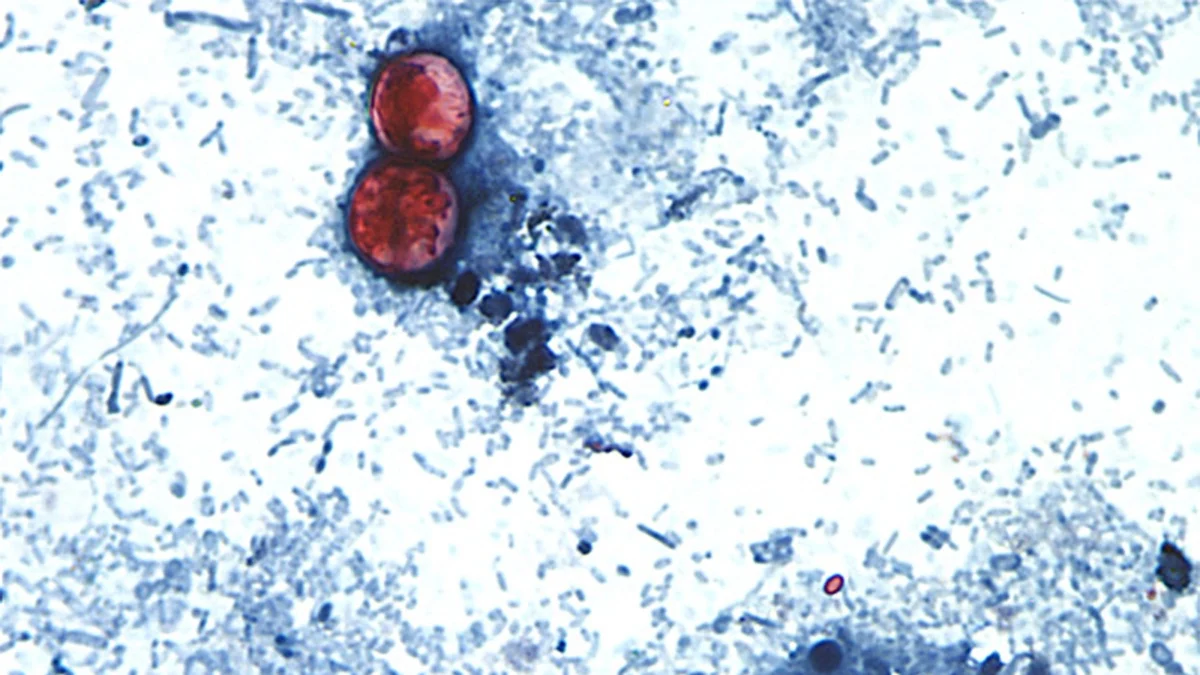
Cyclospora cayetanensis is a single-celled, microscopic parasite that, once ingested, settles in the small intestine. Unlike some foodborne pathogens that cause immediate vomiting, Cyclospora is notorious for a longer incubation period—typically one to two weeks after consumption.
The hallmark symptom is watery, often explosive, diarrhea. Patients may also experience loss of appetite, weight loss, stomach cramps, bloating, increased gas, nausea, and fatigue. If untreated, the illness can last from a few days to a month or longer, and symptoms may even relapse. While rarely fatal, the physical toll of the infection—which can lead to severe dehydration—is significant enough to warrant immediate medical attention.
Why Is It So Hard to Trace?
The difficulty in identifying the source of Cyclospora outbreaks is a challenge that has perplexed epidemiologists for years. Unlike bacteria such as Salmonella or E. coli, which can often be linked to a single contaminated processing plant or a specific batch of meat, Cyclospora is frequently linked to fresh produce that has been exposed to fecal-contaminated water.
Because herbs like cilantro, basil, and parsley, or pre-mixed salad greens, are often sourced from multiple farms and distributed through complex supply chains, pinpointing the exact origin is like finding a needle in a haystack. By the time a cluster of cases is identified and reported to the Centers for Disease Control and Prevention (CDC), the original contaminated produce has often been consumed or discarded, leaving health investigators with little physical evidence to test.
Chronology of the Crisis
The current surge represents one of the largest outbreaks in recent memory. While Michigan has emerged as a focal point with over 1,500 confirmed cases, the geographic spread suggests a systemic issue in the food supply chain rather than a localized contamination event.
- Early Summer: Initial reports of gastrointestinal distress began to trickle into local health departments across the Midwest.
- Mid-Season: As cases mounted, health officials identified a commonality: a high consumption of fresh, raw produce. The CDC began coordinating a multi-state investigation, identifying links between the illnesses and various salad components.
- Current Status: State and federal health agencies are currently working in tandem to conduct traceback investigations. As of now, the outbreak is still considered "active," with new cases being reported daily.
Supporting Data and Historical Context
Historically, Cyclospora has been linked to imported produce, particularly during the warmer months when the parasite thrives in tropical and subtropical climates. Previous outbreaks have been definitively traced to raspberries, basil, cilantro, snow peas, and bagged salad mixes.
The current data highlights a sobering reality: our reliance on global food distribution means that a single point of contamination can affect consumers in dozens of states simultaneously. While no deaths have been reported in this specific outbreak, the economic and medical burden of over 1,500 sickened individuals in a single state places a significant strain on local healthcare systems, particularly urgent care centers and primary care clinics.
Official Guidance: Clinical Perspectives
Dr. Erika Noel, an assistant professor at the University of Hawaii John A. Burns School of Medicine and a pediatrician, emphasizes that while the situation is serious, it is manageable through education. "We don’t need to panic," Dr. Noel asserts. "The nutritional benefits of fresh produce far outweigh the risks, provided that consumers are educated on how to mitigate those risks."
The Handwashing Myth
One of the most critical pieces of advice from the medical community concerns hygiene. A common misconception is that alcohol-based hand sanitizers are a catch-all solution for foodborne illnesses. However, Cyclospora is resilient to these sanitizers. The only effective method for removing the parasite from one’s hands is a thorough 20-second scrub with soap and warm water.
Rigorous Preparation Techniques
For those concerned about the safety of their produce, Dr. Noel and other experts recommend a "defense-in-depth" approach:
- The Vinegar Wash: While vinegar does not kill the parasite, it acts as a mild acidic surfactant that helps loosen and remove pathogens from the surface of vegetables. A mixture of three parts water to one part vinegar, followed by a thorough rinse in a salad spinner, is a highly effective way to clean leafy greens.
- Strategic Peeling and Trimming: For items like green onions, remove the roots and the outermost layer of the stalks. For melons, scrubbing the rind before cutting is non-negotiable; the knife used to slice the fruit can drag pathogens from the outside skin directly into the flesh.
- Heat is the Ultimate Disinfectant: If you are worried about the safety of a particular batch of produce, the most effective way to eliminate Cyclospora is heat. Cooking produce to an internal temperature of at least 158°F (70°C) effectively kills the parasite. This is why Dr. Noel suggests that if you are wary of raw berries, they are perfectly safe when used in pies, jams, or cooked desserts.
- Avoid Pre-Washed Convenience: Though convenient, bagged salad mixes—even those labeled "triple-washed"—should be treated with caution. Washing them again at home in a water-vinegar solution provides an extra layer of protection.
Implications for the Future
This outbreak serves as a stark reminder of the vulnerabilities inherent in the modern food supply. As climate change shifts growing seasons and potentially expands the regions where heat-loving parasites can thrive, the agricultural industry may need to invest in more robust irrigation water filtration and monitoring systems.
A Call for Regulatory Scrutiny
The difficulty of investigating these outbreaks also highlights the need for better "farm-to-fork" traceability. Modern technology, such as blockchain-based tracking for food shipments, could theoretically allow investigators to trace a contaminated head of lettuce back to the specific farm or water source in hours rather than months. Until such systems are universal, the burden of safety remains, to some extent, on the consumer.
The Consumer’s Responsibility
Ultimately, the takeaway from this summer’s crisis is not to abandon a healthy diet, but to refine our habits. We must view our kitchens as the final line of defense. By scrubbing root vegetables, separating leaves of herbs for better cleaning, and being mindful of cross-contamination, we can effectively neutralize the threat.
The medical consensus remains clear: Cyclospora is a treatable condition, typically resolved with a course of specific antibiotics like trimethoprim-sulfamethoxazole. If you suspect you have been infected, contact your healthcare provider immediately, especially if symptoms include severe dehydration or a high fever.
As the season progresses, health departments will continue to monitor the situation. For now, the best strategy is a combination of skepticism regarding pre-packaged produce and a renewed commitment to the basic, time-tested hygiene practices that have protected human health for generations. Eat your vegetables, but wash them well—your health, and your peace of mind, depend on it.