











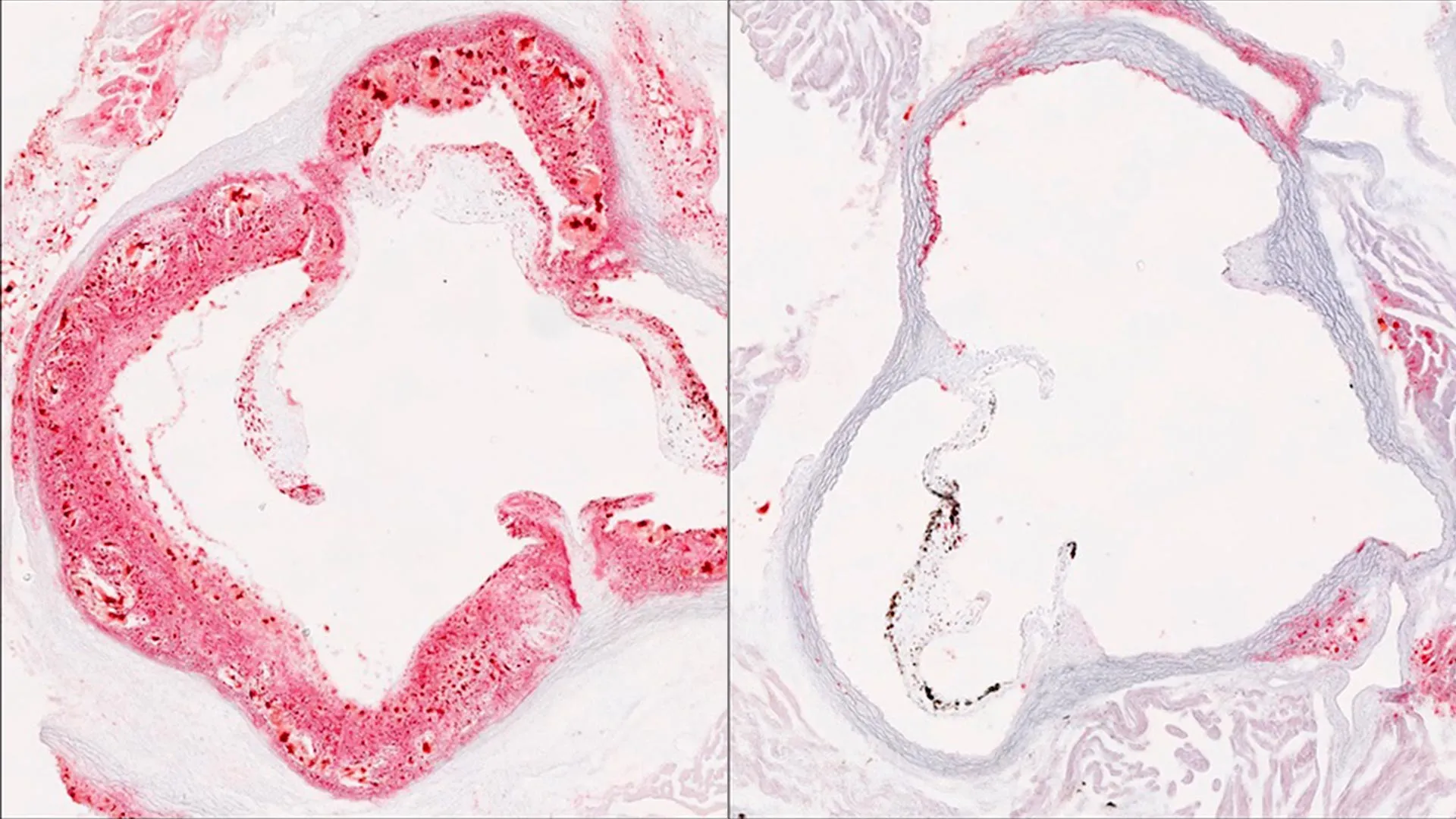
In a breakthrough that promises to reshape our understanding of lipid metabolism, researchers at the UT Southwestern Medical Center have identified a critical protein—HELZ2—that acts as a sophisticated "gatekeeper" for the liver’s cholesterol output. By regulating the genetic instructions that govern how cholesterol-carrying particles are produced, this discovery offers a potential paradigm shift in the treatment of heart disease, atherosclerosis, and non-alcoholic fatty liver disease (NAFLD).
The study, published in the prestigious journal Circulation, details a previously unknown mechanism that allows scientists to modulate cholesterol levels at the mRNA level, long before the final proteins are even synthesized. This finding moves beyond the traditional focus on post-production cholesterol management, opening a new frontier for pharmacological intervention.
The Science of the "Message": Understanding APOB and HELZ2
To appreciate the significance of the HELZ2 discovery, one must first understand the process of lipoprotein production. The liver serves as the body’s metabolic hub, packaging fats and cholesterol into particles known as lipoproteins, most notably those containing apolipoprotein B (apoB). These particles are essential for transporting energy throughout the body, but when present in excess, they become the primary architects of plaque buildup in the arteries—the leading cause of heart attacks and strokes.
Historically, medical science has focused on the end product: the circulating cholesterol itself. Statins, the gold standard of cholesterol-lowering medication, function primarily by inhibiting the enzyme HMG-CoA reductase, which slows down the body’s internal production of cholesterol.
The team at UT Southwestern, led by senior author Zhao Zhang, Ph.D., Assistant Professor in the Center for the Genetics of Host Defense and Internal Medicine, discovered that HELZ2 operates much earlier in the biological assembly line.
"Most previous research focused on what happens to apoB after it’s already made," explained Dr. Yiao Jiang, a postdoctoral researcher in the Zhang Lab and co-author of the study. "What surprised us is that HELZ2 acts much earlier, by controlling how long the apoB ‘message’ survives before the protein is even produced."
By destabilizing the messenger RNA (mRNA) that carries the instructions for apoB, HELZ2 effectively shreds the "blueprint" before the protein factories in the liver can build the lipoproteins. When HELZ2 activity is increased, the APOB message degrades rapidly, leading to a measurable decline in the secretion of cholesterol-laden particles into the bloodstream.
A Chronology of Discovery: From Genetic Screens to Clinical Potential
The path to identifying HELZ2 was paved by the innovative large-scale genetic screening systems pioneered by Nobel laureate Bruce Beutler, M.D., Director of the Center for the Genetics of Host Defense.
The Initial Observation
The investigation began not with a theory about cholesterol, but with an observation of mice exhibiting unusual fat accumulation in their livers. Using Dr. Beutler’s advanced genetic screening, the researchers identified a specific "gain-of-function" mutation.
The Mechanism Unveiled
Upon isolating this mutation, the team realized it directly increased the activity of the HELZ2 protein. They observed that these mutated mice displayed a remarkable phenotype: they had significantly lower levels of LDL cholesterol and triglycerides in their blood, yet they suffered from increased fat storage within the liver tissue.
Mapping the Pathway
Over several months, the team mapped the molecular pathway, confirming that the mutation led to the premature breakdown of APOB mRNA. By confirming this link, the researchers established HELZ2 as the primary regulator of the "cholesterol-liver fat" trade-off.
Supporting Data: The Balancing Act
The data provided by the UT Southwestern study presents a complex physiological "see-saw." The findings suggest that the body maintains a delicate equilibrium between cholesterol circulating in the blood and the fat stored within the liver.
In the study, researchers noted that when HELZ2 is "dialed up," the bloodstream is effectively cleared of harmful lipoproteins, providing robust protection against atherosclerosis. However, the liver—deprived of its primary mechanism for exporting these fats—retains them, leading to increased hepatic lipid accumulation. Conversely, when HELZ2 activity is suppressed, the liver exports more lipoproteins, increasing blood cholesterol but reducing liver fat.
This binary relationship is both a challenge and an opportunity. Dr. Zhang likens HELZ2 to a "dial between the liver and the bloodstream." The scientific challenge moving forward is to determine if researchers can find a "sweet spot" on that dial—a therapeutic level of HELZ2 activity that reduces systemic heart disease risk without inducing severe fatty liver disease.
Official Responses and Expert Perspectives
The research community has received the findings with significant enthusiasm, noting that the "RNA-centric" approach is a departure from conventional pharmacological strategies.
"The idea that we can control apoB at the RNA level represents a major shift in how we think about cholesterol regulation," said Dr. Zhang. "It gives us a new molecular lever—and potentially a new set of tools—for tackling these conditions."
The study highlights the collaborative nature of modern genetics, blending the clinical expertise of Internal Medicine with the high-throughput, rigorous methodology of the Center for the Genetics of Host Defense. Dr. Bruce Beutler, whose contributions to the study provided the fundamental tools for the discovery, emphasized the importance of high-level genetic screening in identifying novel therapeutic targets that might otherwise remain hidden in complex biological networks.
While the study was conducted in murine models, the conserved nature of the APOB gene and the underlying mRNA degradation processes suggest that these findings are highly relevant to human biology. The researchers are now looking toward future phases of development, which will focus on the potential for small-molecule drugs or RNA-based therapies that can precisely modulate HELZ2 activity in human patients.
Implications for Future Medicine
The discovery of HELZ2 arrives at a critical juncture in the history of metabolic medicine. As the prevalence of metabolic syndrome, obesity, and cardiovascular disease continues to climb globally, the limitations of current statin-based therapies—which can sometimes cause muscle pain or prove insufficient for high-risk patients—have become more apparent.
Beyond Statins
If researchers can develop a drug that mimics the regulatory function of HELZ2, it could serve as a powerful alternative or supplement to current treatments. By targeting the "instruction stage" of protein production, doctors might be able to achieve more precise control over lipid levels with potentially fewer side effects than traditional HMG-CoA reductase inhibitors.
Tackling Fatty Liver Disease
The most intriguing implication of the study is the potential to address fatty liver disease. Because HELZ2 regulates the export of fat from the liver, understanding how to manipulate this protein could provide a way to "unlock" the liver, helping patients clear out excess fat that contributes to inflammation and cirrhosis.
A New Class of Therapeutics
The study suggests that we are entering an era of "transcriptional medicine," where the goal is to intervene in the lifecycle of mRNA before disease-causing proteins can even take shape. This approach is similar in spirit to recent breakthroughs in siRNA (small interfering RNA) therapies, which have already begun to show success in lowering cholesterol by targeting the genetic blueprints of various metabolic pathways.
Conclusion: A New Molecular Lever
The UT Southwestern team’s work on HELZ2 is a masterclass in modern genetic inquiry. By identifying a protein that functions as a physiological dial for lipid transport, they have provided the medical community with a new "molecular lever" to pull.
While the journey from a laboratory discovery in mice to a clinical treatment is long and rigorous, the implications are profound. If the balance between blood cholesterol and liver fat can be successfully navigated, HELZ2 may well become a household name in the future of cardiology and hepatology. As the researchers continue to refine their understanding of this protein, the possibility of a new generation of targeted therapies for heart disease feels closer than ever, promising a future where we can manage metabolic health not just at the level of the bloodstream, but at the very source of the genetic message.
Funding and Acknowledgments:
This research was supported by grants from the National Institute of Diabetes and Digestive and Kidney Diseases (NIDDK) of the National Institutes of Health (R00DK115766 and R01DK130959).
Dr. Bruce Beutler, a Regental Professor, holds the Raymond and Ellen Willie Distinguished Chair in Cancer Research, in Honor of Laverne and Raymond Willie, Sr. He is a member of the Harold C. Simmons Comprehensive Cancer Center and a 2011 Nobel Laureate in Physiology or Medicine.