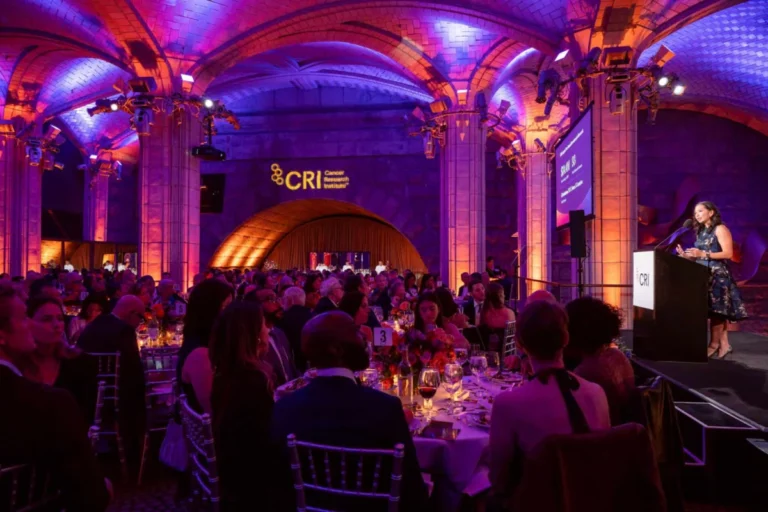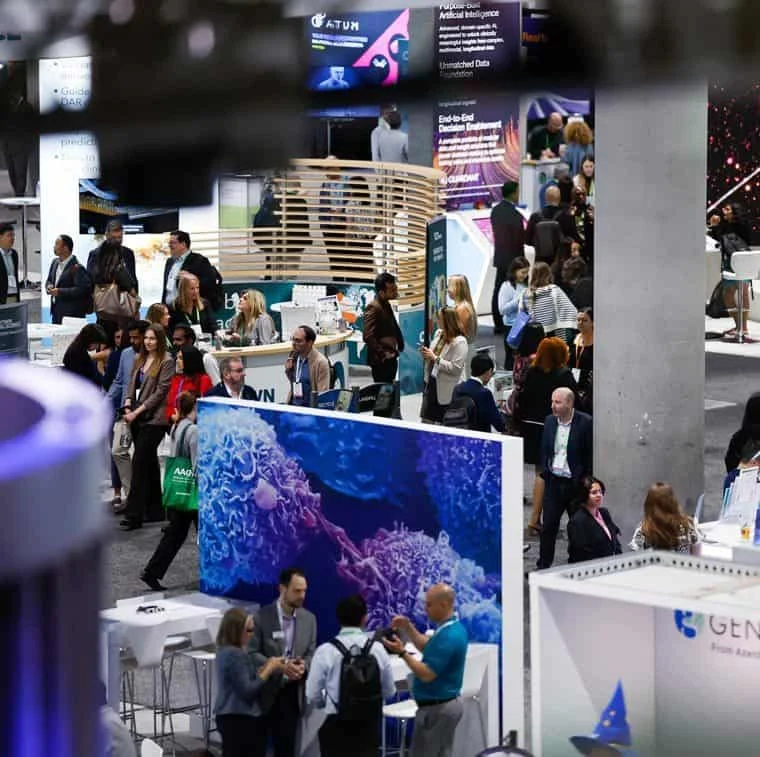
At the 2026 American Association for Cancer Research (AACR) Annual Meeting, the atmosphere was defined by a dual narrative: the profound satisfaction of historic progress and the sobering reality of an evolving, increasingly complex battle. National Cancer Institute (NCI) Director Anthony Letai, MD, PhD, delivered a keynote address that served as both a victory lap for the last thirty years of oncology research and a clarion call for systemic reform.
As cancer mortality in the United States continues its downward trend, the research community finds itself at a crossroads. While immunotherapy and precision medicine have rewritten the survival playbooks for countless patients, the emergence of new, aggressive cancer patterns and persistent systemic inefficiencies demand a fundamental reimagining of how we discover, fund, and deliver care.
The State of the Union: A Landscape of Progress and Paradox
The 2026 Cancer Statistics report from the American Cancer Society provides the bedrock for our current optimism. Over the past three decades, cancer mortality in the U.S. has declined by approximately one-third. This milestone is not merely a statistical victory; it represents millions of years of life reclaimed, birthdays celebrated, and milestones reached.
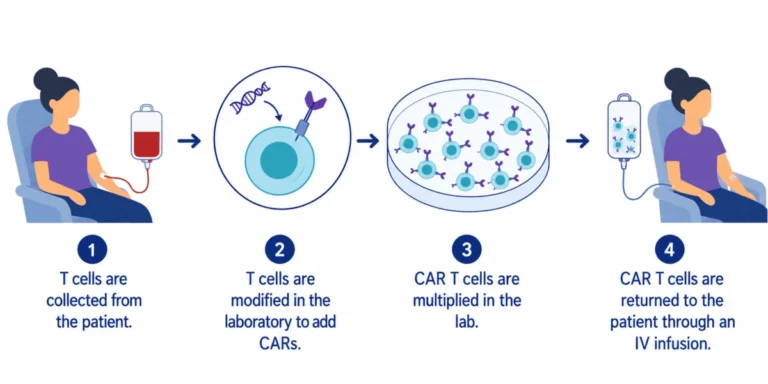
This success is largely attributed to the maturation of immuno-oncology. By harnessing the body’s own defense mechanisms, researchers have transformed previously terminal diagnoses into manageable, and often curable, conditions. However, Dr. Letai cautioned that this success has masked an underlying shift in the disease’s behavior.
The Rising Tide of Early-Onset Cancer
Perhaps the most alarming trend highlighted at the AACR meeting is the surge in early-onset malignancies. Colorectal cancer, once considered a disease of the aging, has become the leading cause of cancer-related mortality among adults under 50. With incidence rates climbing by nearly 3% annually in younger demographics, the medical community is scrambling to identify the environmental and biological triggers driving this trend. This shift serves as a stark reminder that cancer is not a static enemy; it is adapting, and our research infrastructure must adapt with it.
Chronology of the Modern Oncology Shift
The evolution of cancer care can be categorized into three distinct eras, each shaping our current strategies:
- The Era of Conventional Therapy (Pre-2000s): Characterized by surgery, radiation, and broad-spectrum chemotherapy. While effective, these treatments were often indiscriminate, leading to significant systemic toxicity.
- The Genomic Revolution (2000–2015): The mapping of the human genome allowed researchers to identify specific mutations. This ushered in the era of targeted therapies, where drugs were designed to inhibit specific molecular drivers of tumor growth.
- The Immuno-Oncology & Data-Driven Era (2015–Present): The current frontier. By integrating AI-driven insights with immunotherapy, the focus has shifted toward "precision medicine"—tailoring treatment to the patient’s unique biological signature and tumor microenvironment.
Data at Scale: The Engine of Discovery
If the genomic revolution gave us the map, data-driven research is providing the GPS. Dr. Letai emphasized that the primary bottleneck in modern immunotherapy is no longer the generation of data, but its orchestration.
To bridge this gap, organizations like the Cancer Research Institute (CRI) have launched initiatives such as the Discovery Engine. This platform serves as a centralized, AI-ready repository for high-quality genomic, spatial, and cellular data. By standardizing disparate datasets, the Discovery Engine allows researchers across the globe to compare results in real-time, effectively crowdsourcing the solution to treatment resistance.
The Role of Artificial Intelligence
AI is no longer a peripheral tool; it is the cornerstone of the next decade of discovery. By employing machine learning to analyze the "noise" of complex biological datasets, researchers can predict how a patient’s immune system will respond to specific therapies long before the first dose is administered. This predictive capability is essential for overcoming the primary obstacle in modern oncology: treatment resistance.
Global Competition and Systemic Reform
Dr. Letai’s address was not without its critiques of the domestic research ecosystem. While the U.S. remains a leader in basic science, the transition from lab bench to clinical trial is increasingly fraught with bureaucratic inertia.
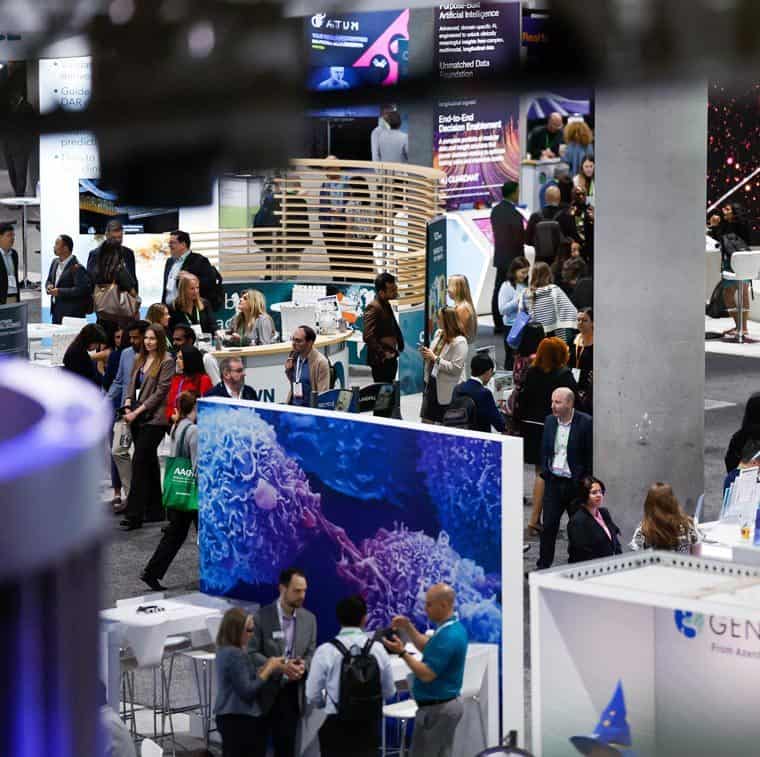
"We are seeing a global shift in research velocity," Letai noted. Countries such as China have aggressively streamlined their regulatory pathways and early-phase clinical trial designs, allowing for faster iterative testing. To maintain its competitive edge and, more importantly, to save lives, the U.S. must adopt a more agile approach:
- Parallel Processing: Moving away from sequential trial phases where possible.
- Regulatory Streamlining: Reducing the administrative burden that delays the launch of investigator-initiated trials.
- Cross-Sector Coordination: Ensuring that academic, private, and governmental researchers are working in a unified ecosystem rather than siloed environments.
The Talent Pipeline: Investing in the Next Generation
A central theme of the 2026 AACR meeting was the fragility of the research talent pipeline. Young investigators, the very people who will conceptualize the breakthroughs of the 2030s, are currently facing a "funding cliff." Uncertainty in grant cycles and hiring freezes threaten to drive the brightest minds away from oncology and into the private sector.
The NCI and organizations like the CRI are actively moving to mitigate this. The IGNITE Award, which provides five years of uninterrupted, catalytic funding for scientists bridging the gap between postdoctoral work and independent faculty roles, is a prime example of the necessary intervention. By insulating young researchers from the volatility of short-term funding, the scientific community ensures that high-risk, high-reward ideas have the space to germinate.
Equity as a Scientific Mandate
Perhaps the most poignant part of the discourse was the insistence that scientific progress is meaningless if it is not accessible. Disparities in cancer outcomes remain tied to geography, socioeconomic status, and systemic bias.
Dr. Letai argued that closing this gap requires a twofold approach:
- Community-Integrated Research: Scientists must move beyond the walls of the laboratory to engage directly with underserved communities, ensuring that screening and diagnostic trials are representative of the diverse U.S. population.
- Public Health Literacy: Research is only effective if patients understand it. There is an urgent need to translate complex scientific findings into actionable information for the public, reducing the fear and stigma associated with new therapies like immunotherapy.
Implications: A Call to Action
The road ahead is complex, but the path is becoming clearer. The guiding principles for the next era of cancer research—Precision, Partnership, and Purpose—were the clear takeaway from the 2026 AACR gathering.
For the patient, these principles mean a move away from "one-size-fits-all" chemotherapy and toward treatments designed for their specific biology. For the donor and the taxpayer, they represent a mandate for efficiency: ensuring that every dollar invested in research is optimized through AI, collaboration, and talent development.
We are living through a period of unprecedented scientific capability. Yet, as Dr. Letai reminded the assembly, the work is far from over. The rising incidence of early-onset cancers and the stubborn persistence of treatment resistance serve as constant reminders that the cancer landscape is in flux.
The next breakthrough—the one that could define the next decade of cancer care—is currently being formulated in a lab somewhere, or perhaps it is already sitting in a dataset waiting to be analyzed by an AI model. Our collective responsibility is to ensure that the infrastructure, the funding, and the human talent are in place to bring that breakthrough to the patient as quickly and equitably as possible. The progress made in the last thirty years is the prologue; the next chapter is ours to write.