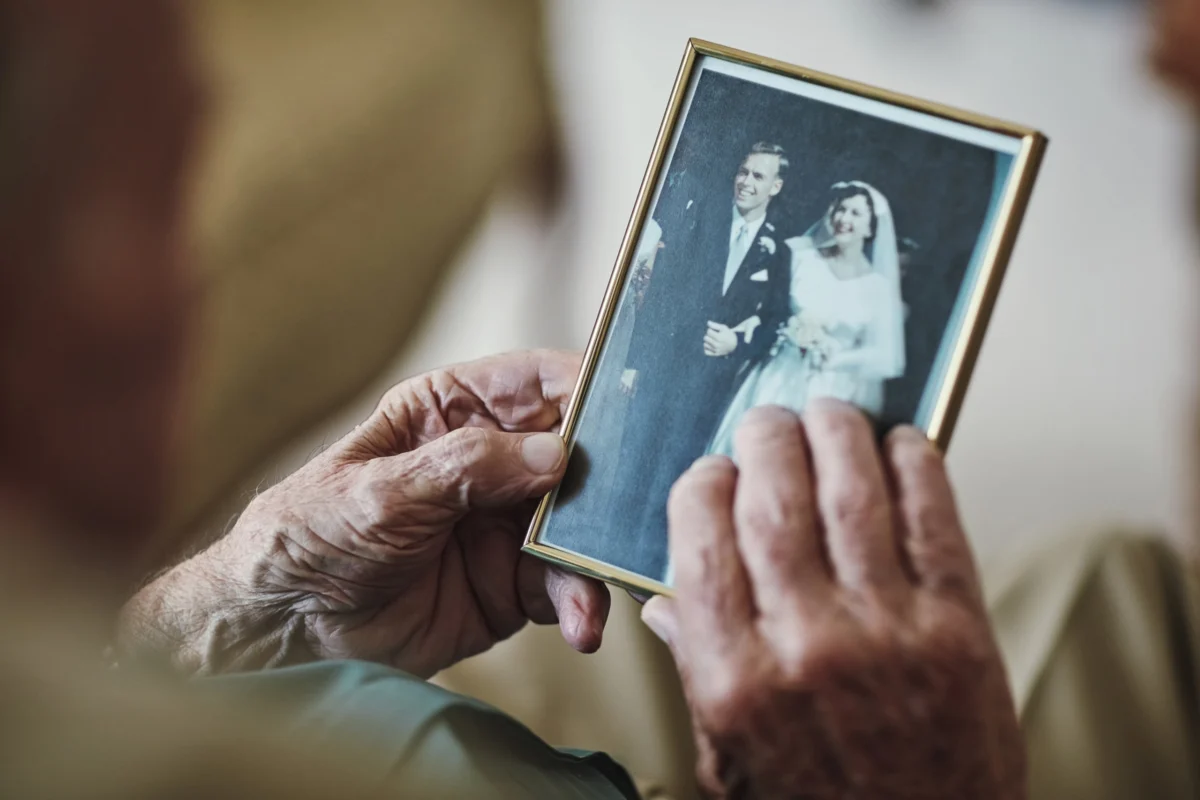
As the calendar turns to May, the United States observes two significant awareness campaigns simultaneously: Older Americans Month and Mental Health Month. While these observances often run parallel, their intersection reveals a critical, often overlooked public health crisis: the pervasive and damaging impact of loneliness and social isolation among the elderly population.
Loneliness is not merely a fleeting emotion or a byproduct of retirement; for millions of Americans aged 65 and older, it has become a persistent, structural reality that poses a severe threat to their physical and cognitive well-being. As the demographic landscape of the United States shifts toward a significantly older population, addressing the "silent epidemic" of isolation has moved from a personal concern to a national health priority.
The Core Reality: Defining the Scope of the Problem
Loneliness is defined as the subjective feeling of being alone, regardless of the amount of social contact, while social isolation is the objective lack of social ties. Both states are distinct, yet they frequently overlap, creating a feedback loop that degrades the quality of life for seniors.
According to data from the National Institute on Aging (NIA), approximately one in four adults aged 65 and older report experiencing social isolation on a daily basis. This figure is staggering, representing millions of individuals who lack the interpersonal support structures necessary for healthy aging. The implications are not just psychological; they are physiological. Recent clinical research has drawn direct correlations between chronic loneliness and a host of life-threatening health conditions, elevating loneliness to the same risk level as smoking, obesity, and physical inactivity.
Chronology: How Isolation Develops in Later Life
The onset of social isolation is rarely a singular event; it is typically a gradual erosion of social connectivity caused by a series of life transitions. Understanding this timeline is essential for caregivers and health professionals to intervene before isolation becomes chronic.
Phase 1: The Transition of Retirement
For many, the workplace serves as the primary hub for social interaction. Upon retirement, the sudden loss of daily professional engagement can create an initial vacuum. Without proactive efforts to replace these interactions with community groups, hobbies, or volunteer work, the foundation for isolation is laid.
Phase 2: The Loss of Mobility and Autonomy
As individuals progress through their late 60s and 70s, the physical challenges of aging—such as reduced vision, mobility limitations, or the cessation of driving—begin to restrict the ability to navigate the world. When an individual can no longer walk to a local park or utilize public transportation comfortably, their "social circle" literally shrinks to the square footage of their home.
Phase 3: The Attrition of Peer Networks
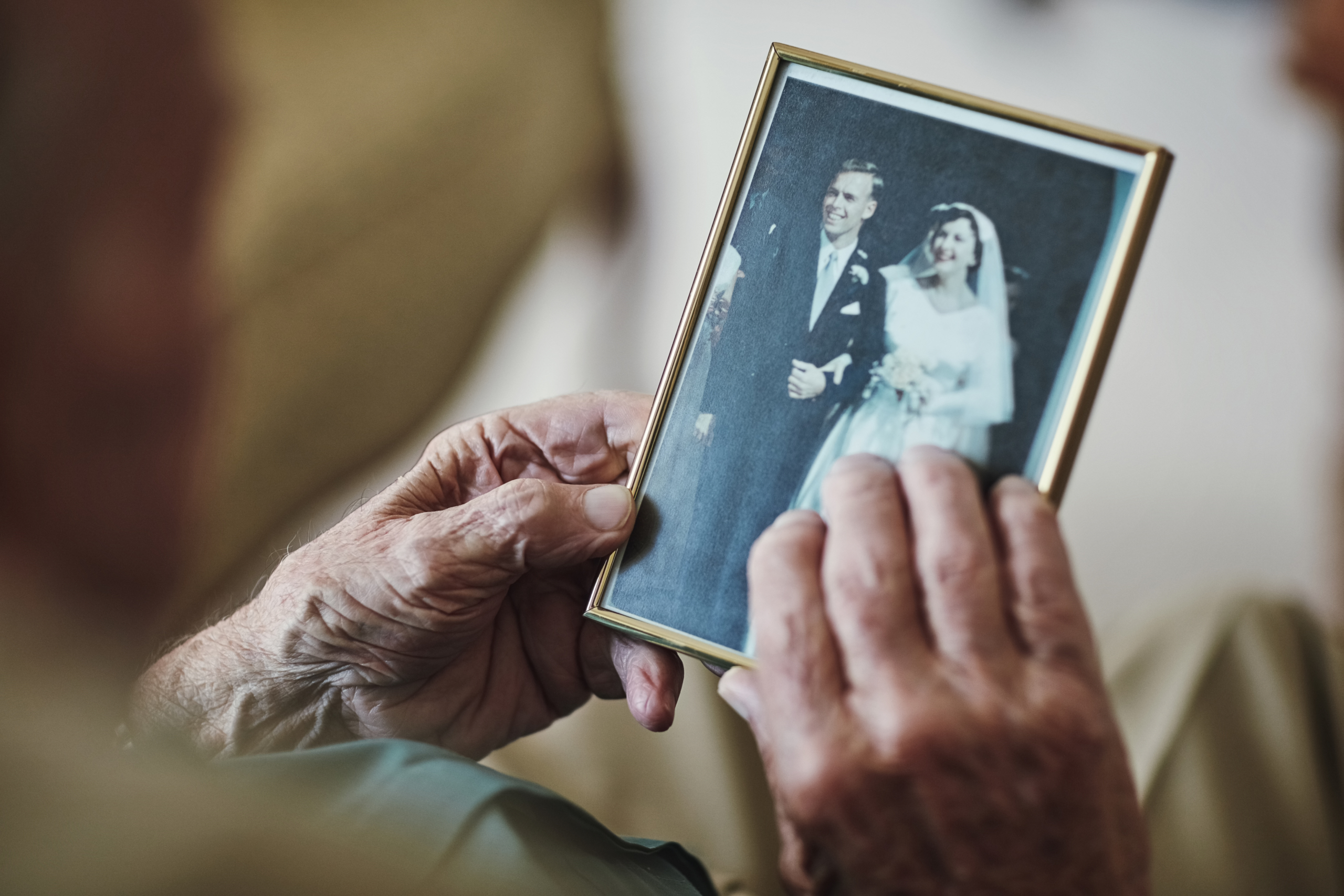
Perhaps the most painful phase involves the loss of long-term partners, spouses, and close friends. This "social attrition" removes the primary support system, often leaving the individual without a confidant. The grief associated with these losses can make the prospect of forming new connections feel overwhelming, leading to self-imposed withdrawal.
Supporting Data: The Biological Toll of Loneliness
The scientific community has spent the last decade quantifying the impact of loneliness on the human body. The findings are sobering. Research has consistently shown that prolonged isolation triggers the body’s "fight-or-flight" stress response, leading to chronic inflammation and a weakened immune system.
The Health Risks of Isolation
- Cardiovascular Disease: Isolated seniors are at a significantly higher risk for heart disease and stroke. The persistent state of stress associated with loneliness is linked to higher blood pressure and increased levels of cortisol.
- Cognitive Decline and Dementia: Studies have suggested that loneliness is a precursor to accelerated cognitive decline. Without the "cognitive workout" provided by social engagement, the brain loses the stimulation required to maintain neuroplasticity.
- Mental Health Disorders: The correlation between loneliness and depression is well-established. However, it also extends to increased risks of anxiety, sleep disturbances, and suicidal ideation, particularly in men over the age of 85.
- Immune System Suppression: Loneliness impairs the body’s ability to fight off viruses and infections, making isolated older adults more susceptible to seasonal illnesses and slower to recover from surgeries.
Barriers to Connectivity: Why Seniors Withdraw
To solve the crisis of isolation, one must understand the barriers. It is rarely a lack of desire to connect, but rather a lack of capacity to do so. The barriers are often multi-layered:
- Sensory Impairment: Hearing loss is a major, yet under-discussed, driver of social withdrawal. When it becomes difficult to follow a conversation in a group, many seniors choose to stop attending social functions entirely to avoid the embarrassment of misunderstanding or being misunderstood.
- Technological Gaps: While digital tools offer a lifeline, the "digital divide" remains a significant hurdle. Many seniors struggle with the interface of modern communication technology, creating a feeling of being left behind in a society that is increasingly digitized.
- Physical Limitations: Chronic pain, frailty, and the fear of falling can transform a simple trip to a community center into a high-stakes logistical challenge. If the cost of the effort (physical pain or anxiety) outweighs the reward of the interaction, the individual will inevitably choose to stay home.
- Caregiver Burnout: Often, the individuals tasked with supporting the elderly are themselves overwhelmed. When caregivers lack the resources to facilitate social outings or transportation, the senior remains trapped in a cycle of isolation.
Official Responses and Strategic Interventions
Government and public health organizations are now treating social isolation as a clinical issue. The National Institute on Aging (NIA) has spearheaded the development of comprehensive toolkits aimed at both seniors and their caregivers. These resources provide actionable advice on how to rebuild social circles, including identifying local senior centers, utilizing technology to stay connected with family, and participating in intergenerational programs.
The Role of the Eldercare Locator
The Eldercare Locator, a public service of the U.S. Administration for Community Living, serves as a bridge between seniors and the services they need. By providing a directory of local area agencies on aging, the service helps families find resources ranging from volunteer transportation programs to social engagement opportunities.
Policy Implications
From a policy standpoint, the discussion is shifting toward "social prescribing." This is a model where healthcare providers do not just prescribe medication, but "prescribe" community activities—such as exercise classes, art workshops, or volunteer opportunities—to address the underlying social determinants of health. By integrating these services into primary care, the healthcare system can proactively address the root causes of isolation before they manifest as chronic physical illness.
Implications: A Call for Societal Change
The challenge of loneliness among the elderly is not a problem that can be solved by medical technology alone. It requires a fundamental shift in how we view our responsibilities toward our aging neighbors, parents, and community members.
For Individuals and Families
We must move beyond the "check-in" phone call. True engagement requires presence. If a loved one is struggling with mobility, the answer is not just to wish them well, but to facilitate the logistics of their social life. This might mean organizing a rotating schedule of visitors, assisting with the setup of accessible technology, or advocating for their inclusion in community events.
For the Community
Local governments and community organizations must prioritize "age-friendly" infrastructure. This includes improving the accessibility of public transportation, designing safer pedestrian walkways, and creating community spaces that are conducive to interaction rather than just observation.
The Path Forward
As we recognize Older Americans Month and Mental Health Month, we are reminded that aging is not a process to be endured in solitude. It is a phase of life that requires the same social scaffolding as any other. By dismantling the barriers of mobility, technology, and sensory loss, and by fostering a culture that values the wisdom and presence of our seniors, we can turn the tide on this epidemic.
The data is clear: our health is inextricably linked to our connections. For the millions of older Americans currently living in silence, the solution lies in our willingness to reach out, to listen, and to ensure that no one is left behind.
Katie Riley serves as Vice President of Communications at the Alliance, working to highlight the critical intersections between aging, public health, and social policy. For more information on resources and support, please visit the National Institute on Aging or the Eldercare Locator.