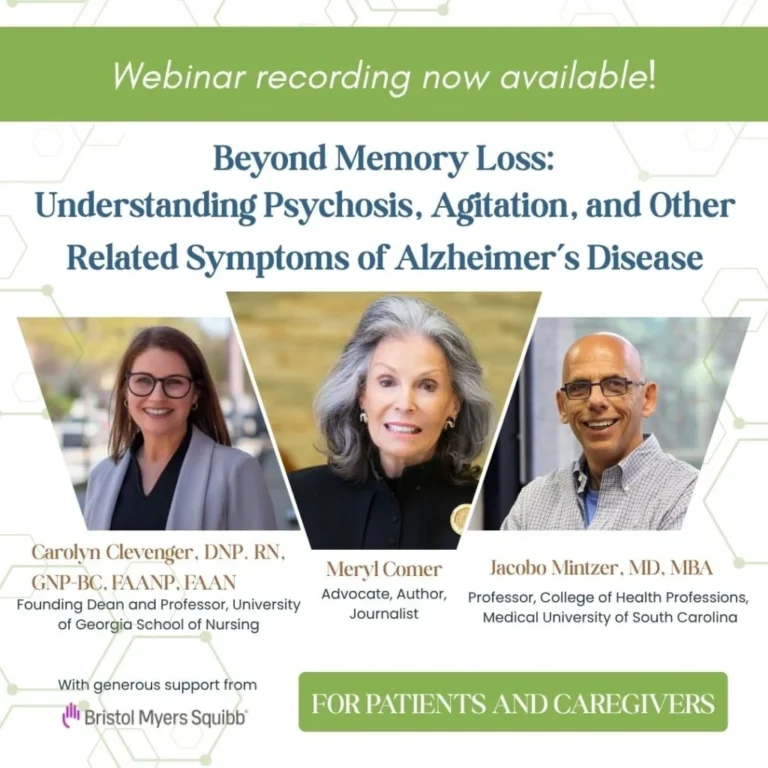












As we observe Alzheimer’s Awareness Month this June, the discourse surrounding dementia is shifting. While the medical community has long focused on the cognitive decline associated with Alzheimer’s—the memory lapses and the loss of executive function—there is a growing recognition of the profound emotional and behavioral challenges that often define the daily experience for patients and their families. Known as Neuropsychiatric Symptoms (NPS), these manifestations—ranging from agitation and anxiety to apathy and personality shifts—are frequently the most difficult hurdles for caregivers to navigate.
The Alliance for Aging Research, in partnership with experts and caregiving advocates, is calling for a more compassionate approach to these symptoms. By moving away from a purely clinical lens and embracing a framework of resilience, families can better manage the profound uncertainty that accompanies an Alzheimer’s diagnosis.
The Reality of Neuropsychiatric Symptoms (NPS)
Neuropsychiatric symptoms are not merely "side effects" of dementia; they are central features of the disease process. For many families, these symptoms appear long before a formal diagnosis of cognitive impairment is made, creating a period of confusion and misalignment between the patient’s behavior and their loved ones’ expectations.
Common Manifestations
The clinical profile of NPS includes:
- Agitation and Aggression: Often resulting from a patient’s inability to communicate needs or feelings of being overwhelmed.
- Anxiety and Depression: Frequently rooted in the patient’s awareness of their changing cognitive state.
- Apathy: A profound loss of motivation, which can be misconstrued as laziness or stubbornness.
- Sleep Disturbances: Changes in circadian rhythms that can lead to sundowning and severe sleep deprivation for caregivers.
- Wandering: A behavior that poses significant physical safety risks and creates high levels of distress for families.
When these symptoms arise, they often alter the dynamic of the home. A loved one’s personality may shift, causing a "grief before the loss"—a phenomenon where family members mourn the person their loved one used to be, even while they are still physically present.
A Chronology of the Caregiving Journey
The progression of Alzheimer’s is rarely linear, but it often follows a trajectory that challenges the emotional stability of the caregiver. Understanding this timeline is essential for building a sustainable care strategy.
Phase 1: The Subtle Onset
In the early stages, symptoms are often masked by the stresses of daily life. Memory lapses are dismissed as "senior moments," and changes in mood are attributed to burnout or aging. During this period, the caregiver is often unaware of the pathology at work, leading to the "hindsight trap"—the tendency to look back and blame oneself for not recognizing the early warning signs sooner.
Phase 2: The Recognition Gap
As symptoms intensify, the divergence between the patient’s behavior and their normal personality becomes undeniable. This is the stage where the emotional burden peaks. Caregivers often feel the weight of guilt, believing that if they were more patient or more skilled, they could "fix" the behaviors.
Phase 3: Seeking Integration and Support
This is the turning point where families move from reactive care to proactive management. Through resources like the Alliance for Aging Research’s webinar, “Caring Together: Empowering Families and Health Professionals with Tools for Better Neuropsychiatric Symptom Care,” caregivers begin to view these symptoms as clinical manifestations rather than personal failings.
Phase 4: Establishing Resolve
In the final stages, many families find a sense of "resolve." This is not an acceptance of the disease, but a commitment to finding moments of connection and joy despite the challenges. It involves shifting the focus from "what is lost" to "what remains."

Supporting Data: The Caregiver’s Burden
Research consistently indicates that the emotional toll on caregivers is a significant public health issue. According to data collected by various aging and health advocacy groups:
- Emotional Exhaustion: A vast majority of primary caregivers report symptoms of chronic stress, anxiety, and clinical depression.
- The "Hidden" Patient: Caregivers of Alzheimer’s patients have higher rates of hospitalizations and chronic health issues than non-caregivers of the same age, primarily due to the physical and emotional strain of their role.
- The Power of Education: Studies show that caregivers who participate in support networks and educational programs report higher levels of confidence and lower levels of "caregiver burden" than those who attempt to navigate the journey in isolation.
Expert Perspectives: The Clinical Shift
Dr. Brent Forester, Psychiatrist-in-Chief and Chairman of Psychiatry at Tufts Medical Center, has been a leading voice in changing how we treat dementia. In his work, including his book The Complete Family Guide to Dementia, Dr. Forester emphasizes the need to "care smarter, not harder."
A Shift in Mindset
Dr. Forester encourages clinicians and families to move away from the traditional, rigid focus on what the patient can no longer do. Instead, he advocates for a strengths-based approach:
- Identify Strengths: What activities still bring the patient joy or a sense of accomplishment?
- Modify the Environment: Can we change the lighting, noise levels, or routine to minimize triggers for agitation?
- Prioritize Sustainability: Recognizing that the caregiver’s health is a non-negotiable component of the patient’s care. Seeking help from respite services or support groups is a strategy for success, not an admission of failure.
This professional shift is crucial because it empowers the family. When a caregiver is given tools to manage NPS—such as communication techniques that de-escalate anxiety—they regain a sense of agency in a situation that often feels entirely out of their control.
Implications for the Future of Alzheimer’s Care
The societal implications of how we handle Alzheimer’s-related NPS are significant. As the population ages, the number of individuals living with dementia will continue to climb, placing unprecedented pressure on both the formal healthcare system and informal family support networks.
Toward a More Compassionate System
If we are to effectively address the crisis, several shifts must occur:
- Earlier Screening: Incorporating screening for NPS into routine geriatric check-ups to allow for early intervention.
- Increased Access to Education: Expanding the availability of resources like the Alliance’s Caring Together initiative to ensure that families, regardless of socioeconomic status, have the tools to manage care.
- Policy Support for Caregivers: Promoting workplace policies that offer flexibility for family caregivers and increased funding for respite care programs.
Conclusion: You Are Not Alone
The Alzheimer’s journey is defined by its contradictions. It is a path that demands the navigation of intense grief, frustration, and uncertainty, yet it also frequently uncovers reserves of deep resilience, profound compassion, and unwavering hope.
The most important takeaway for anyone navigating this path is that the feelings of guilt and exhaustion are common, valid, and shared by millions of others. The transition from the fear of the unknown to the resolve of daily management is the defining arc of the caregiver’s experience. By utilizing resources, seeking community support, and focusing on the moments of connection that remain, families can build a more sustainable and meaningful approach to care.
Whether you are a patient, a caregiver, or a concerned family member, the message is clear: you do not have to carry this burden in silence. Support is available, and there is a community ready to help you navigate the complexities of this disease with grace and clarity.
Lauren Belsky is the Development Coordinator at the Alliance for Aging Research. This article was written to support the ongoing mission of providing families with the tools and emotional grounding necessary to face the challenges of Alzheimer’s and related dementias.