
In the landscape of modern fitness, we are often inundated with complex data: heart rate variability, VO2 max scores, and intricate recovery metrics tracked by wearable technology. Yet, sometimes the most profound indicators of longevity and health are the simplest. For those navigating their sixth decade and beyond, the humble act of walking remains the gold standard for assessing physical vitality.
According to fitness experts like Jarrod Nobbe, a USAW National Coach and certified personal trainer, we have a highly accessible, zero-cost diagnostic tool at our disposal: the 60-second walking test. By measuring how many steps you can take in a single minute, you gain a transparent, actionable insight into your cardiovascular base, neuromuscular coordination, and overall functional longevity.
The Science of the Stride: Why Walking Matters After 60
Walking is far more than mere locomotion; it is a complex symphony of physiological systems working in tandem. When you walk, your heart must pump oxygenated blood to the working muscles of the legs, your lungs must maintain gas exchange, and your core must stabilize your spine while your hips facilitate the gait cycle.
For individuals over the age of 60, maintaining a brisk walking pace is strongly correlated with a lower risk of chronic disease and enhanced independence. Research published in journals such as the Journal of the American Geriatrics Society has repeatedly demonstrated that gait speed is a powerful predictor of health outcomes in older adults. It serves as a proxy for "functional age"—a reflection of how well your biological systems are aging compared to your chronological age.

The 60-second test provides a "snapshot" of your current conditioning. It evaluates your movement efficiency, balance, and the ability of your body to sustain a consistent effort without succumbing to fatigue or form breakdown.
Chronology of the Test: From Preparation to Performance
The beauty of this diagnostic is its lack of barrier to entry. Whether you are in a quiet neighborhood, a local park, or simply pacing the length of a hallway in your home, the mechanics of the test remain identical. To ensure your data is accurate and comparable over time, consistency is key.
Phase 1: The Setup
Select a flat, unobstructed surface. If you are using a treadmill or a walking pad, ensure you are comfortable with the controls before you begin. The goal is not to sprint, but to perform a "brisk, controlled walk." This is a pace that elevates your heart rate but allows you to maintain perfect posture—chest up, shoulders relaxed, and a steady, rhythmic stride.
Phase 2: The Execution
- Warm-up: Spend 3–5 minutes walking at a casual, conversational pace to prime your joints and muscles.
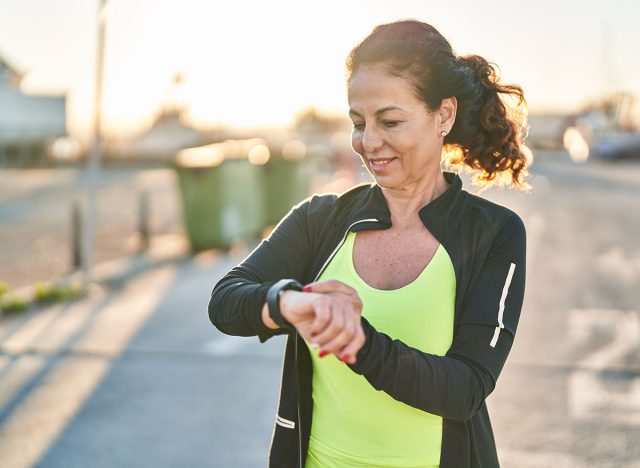
- The Timer: Set a timer for exactly 60 seconds.
- The Effort: Begin walking at a pace that feels "brisk." You should feel as though you are moving with purpose, but not as if you are running.
- The Count: Count every time your right foot strikes the ground. At the end of the minute, multiply that number by two to get your total step count (or count every single step if you prefer).
- Form Check: Throughout the minute, ensure you are not shuffling your feet. Focus on picking your feet up and placing them down with intent.
Supporting Data: What the Numbers Reveal
While individual fitness levels vary, coaches and physical therapists often use standardized ranges to help clients gauge their progress. A 60-second test is not about competing with others, but about monitoring your own trajectory over time.

The Benchmarks
- Below 90 Steps: This suggests that your current walking pace may be limited by joint stiffness, lack of confidence in your balance, or a lower cardiovascular base. It is a sign that you should focus on low-impact mobility exercises before attempting to increase speed.
- 90–110 Steps: This is a solid, functional baseline for many active adults. It indicates a good level of day-to-day mobility.
- 111–130 Steps: You are in a "great shape" category. Your body demonstrates efficient movement patterns and strong cardiovascular endurance.
- 131+ Steps: This signifies an "excellent" level of walking fitness, reflecting high levels of conditioning and a robust, youthful gait.
These numbers are not just arbitrary digits; they represent your ability to navigate the world. A higher step count in a fixed window implies that you are less likely to experience "gait fatigue" when walking long distances at an airport, navigating a large grocery store, or enjoying a hike with family.
Official Perspectives and Expert Insights
Coaching professionals, such as Jarrod Nobbe, emphasize that this test is a "low-stress" way to hold yourself accountable. Unlike a high-intensity interval training (HIIT) session that might lead to burnout or injury, the 60-second walk is sustainable.
"The best exercise is the one you can repeat often," Nobbe notes. By integrating this test into your monthly routine, you create a feedback loop. If you find your numbers dropping, you know it is time to prioritize your mobility work or cardiovascular training. If your numbers are rising, it provides the psychological boost necessary to keep pushing toward your fitness goals.
Furthermore, medical experts often point to the "heart-lung-leg" connection. When you walk briskly, you are engaging in aerobic exercise. According to the American Heart Association, consistent aerobic activity reduces blood pressure, improves cholesterol levels, and helps manage blood sugar—all of which are critical for those over 60.
The Implications: How to Improve Your Score
If your test results are lower than you would like, do not be discouraged. The human body is remarkably adaptive, even in later years. Improving your 60-second score is a process of "stacking" small wins.
1. Progressive Overload
You don’t need to train like an athlete to see results. Simply incorporate "brisk intervals" into your daily walks. For example, walk at a normal pace for three minutes, then pick up the speed to a brisk, purposeful pace for one minute. Repeat this cycle four times.
2. Focus on Posture and Mechanics
Many people lose speed because they "shuffle" their feet. To improve your count, focus on:
- Arm Swing: A natural, rhythmic arm swing helps drive your momentum.
- Core Engagement: Keeping your core slightly braced keeps your posture tall, which allows for a more efficient stride length.
- Foot Strike: Ensure you are rolling through your foot from heel to toe, rather than landing flat-footed.
3. Strength Training
Walking is a weight-bearing exercise, but it is supported by the muscles in your legs and hips. Simple bodyweight movements like sit-to-stands (chair squats) and calf raises will build the strength required to push off the ground with more force, naturally increasing your walking speed.

4. Consistency over Intensity
It is better to walk for 20 minutes every day than to attempt a 90-minute hike once a week. Frequent, moderate movement keeps the joints lubricated and the cardiovascular system primed.
A Path to Long-Term Vitality
Ultimately, the 60-second walking test is an invitation to engage with your own health in a meaningful, non-intimidating way. It shifts the focus from "how much do I weigh?" or "what does the scale say?" to "how well can I move?"
As we age, the ability to move through the world with speed, confidence, and comfort is the greatest indicator of our quality of life. By monitoring your stride and taking active steps to improve your conditioning, you are doing more than just counting steps; you are investing in your future independence. Start your 60-second test today, track your progress, and celebrate the fact that every step you take is a step toward a healthier, more capable version of yourself.