In the sterile, high-pressure corridors of modern medicine, the human story is often reduced to a set of diagnostic codes and physiological data. As healthcare systems become increasingly digitized and metrics-driven, both clinicians and patients report a growing sense of dehumanization—a "thinning" of the clinical encounter that leaves little room for the complexities of the human spirit.
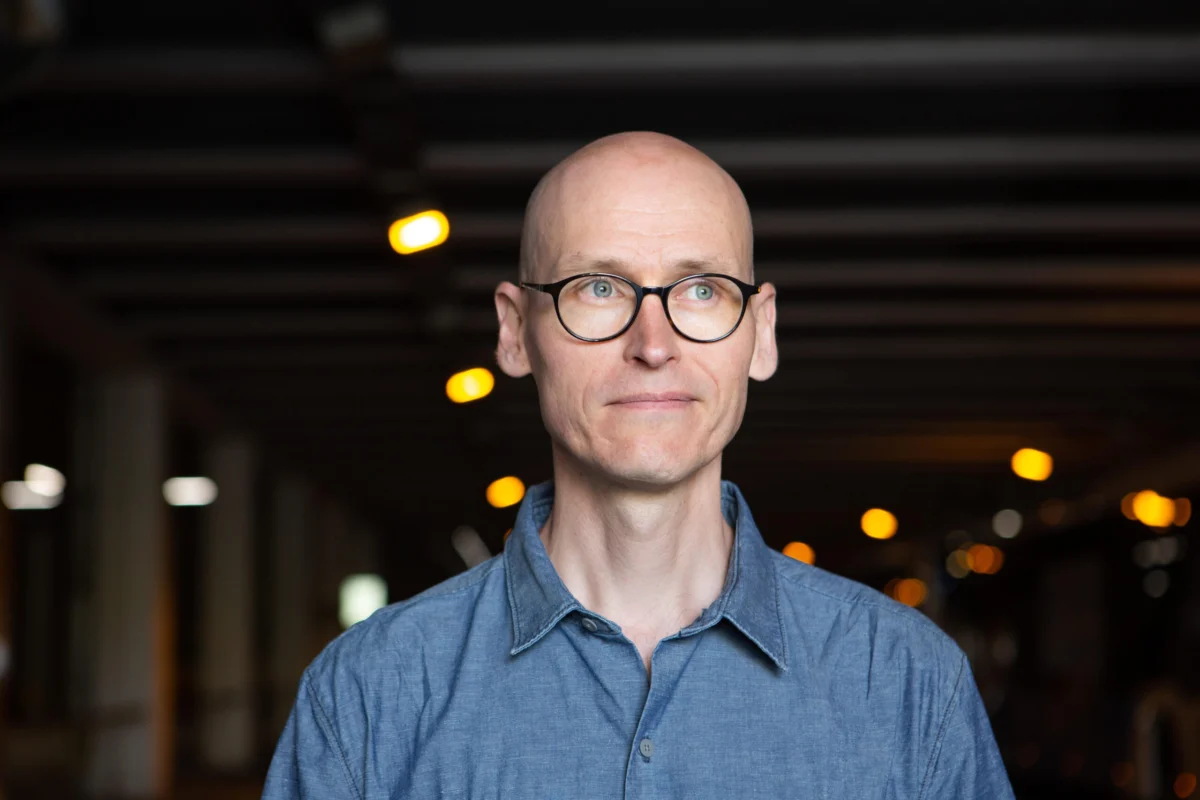
However, a pioneering initiative in Finland is seeking to reverse this erosion of empathy. Led by Jussi Valtonen—a neuropsychologist, award-winning novelist, and professor at the University of the Arts Helsinki—the Health, Narrative, and the Arts initiative is bringing the tools of the humanities into the heart of the clinical world. Through narrative medicine workshops, Valtonen is helping healthcare professionals and neurological patients recover forms of attention, listening, and "moral imagination" that the system often ignores.
Main Facts: The Intersection of Art and Clinical Care
Narrative medicine is an interdisciplinary field that utilizes the arts and humanities to inform and transform clinical practice. At its core, the discipline posits that the skills required to be a "good reader" of literature—close attention, sensitivity to tone, and the ability to interpret ambiguity—are the same skills required to be a truly attentive clinician.
The Finnish model, spearheaded by Valtonen at Uniarts Helsinki, focuses on three primary pillars:
- Close Reading: Groups of clinicians or patients engage deeply with a poem or short story, looking for both explicit meaning and the nuances "between the lines."
- Creative Writing: Participants respond to prompts that encourage them to explore personal experiences or adopt the perspectives of others.
- Witnessing: The act of sharing writing within the group, creating a space for vulnerability and mutual recognition.
Valtonen’s work is grounded in the belief that the humanities offer a unique space where clinicians can step out of their professional "boxes." By engaging with art, they are reminded that life is broader and more complex than diagnostic categories suggest. This work has recently expanded from training doctors and social workers to providing direct support for neurological patients, offering a new way to process the trauma of life-altering diagnoses.
Chronology: From New York Roots to Finnish Hospitals
The journey of narrative medicine in Finland began with Valtonen’s own "double life" as a scientist and a writer. While completing a postdoctoral fellowship in New York, Valtonen encountered the narrative medicine team at Columbia University, pioneered by Dr. Rita Charon. This encounter served as a catalyst, proving that his two seemingly disparate worlds—the objective realm of neuropsychology and the subjective realm of the novel—could intersect meaningfully.
The Pilot Phase (2020–2022):
Upon returning to Finland, Valtonen secured a grant from a Finnish foundation to pilot narrative medicine groups for clinicians within the Helsinki City healthcare and social services sector. Despite initial concerns that busy Finnish doctors might be skeptical of reading poetry, the response was overwhelming. Feedback hit the "ceiling" immediately, suggesting a deep-seated hunger for more humanistic engagement within the medical community.
The Pandemic Shift:
The initiative faced a significant challenge during the COVID-19 pandemic. Workshops were forced to move online, a transition the team feared would dampen the intensity of the experience. However, the results remained potent. Participants reported that even through a screen, the act of creative writing and sharing provided a vital lifeline during a period of extreme professional burnout.
Expansion to Patient Care (2023–Present):
Building on the success with clinicians, Valtonen recently expanded the program to neurology patients. Having worked clinically in neurology, he recognized that patients facing life-changing illnesses needed more than just physical rehabilitation; they needed a way to reconstruct their life narratives. The first patient groups have shown that creative writing acts as a powerful form of peer support, helping individuals navigate the "new normal" of their post-diagnosis lives.
Supporting Data: Researching the Impact of Narrative Skill
To move beyond anecdotal evidence, the initiative partnered with Dr. Elina Renko, a social psychologist and qualitative researcher. Renko’s research investigated how these workshops influence the way clinicians perceive their work and their patients.
The Difficulty of Perspective-Taking
One of the most striking findings from Renko’s research involves the "perspective-taking" exercise. In these workshops, clinicians are often asked to write about a clinical encounter from the first-person perspective of the patient.
Valtonen notes that this is consistently reported as the most difficult part of the curriculum. Clinicians find they lack the language to describe their own offices or their own behavior from the "other side of the desk." This difficulty serves as a crucial realization: perspective-taking is not an automatic skill but a rigorous practice that requires constant effort and humility.
Challenging "Neuro-Dualism"
Valtonen’s scholarly work also addresses what he calls "neuro-dualistic habits of thought." In a series of controlled experiments, Valtonen and his colleagues found that while most people believe the mind and brain influence each other, they intuitively view the brain as far more powerful than the mind.
This "neuro-dualism" devalues subjective experience in favor of biomedical data. Narrative medicine acts as a counterweight to this bias, foregrounding the "singular human being" and their unique values. The research suggests that by engaging with literature, clinicians can move away from a reductive view of the brain-as-machine and return to a more holistic understanding of the patient-as-person.
Official Responses: "Clear Spring Water" in a Murky System
The feedback from participants—who often occupy high-level roles in the Finnish medical hierarchy—highlights the profound psychological impact of the workshops. One physician described the experience as "clear spring water in the murky pond of working life."
The Concept of Mercy
A recurring theme in the feedback is the concept of "mercy." In a medical culture that often demands perfectionism, clinicians reported that the workshops allowed them to feel compassion for themselves. By discussing the ambiguity of short stories, they realized that human interactions often lack a single "right answer." This realization helped alleviate the guilt associated with difficult patient encounters and the limits of clinical care.
Institutional Integration
While the workshops began as independent pilots, their success has sparked interest in deeper institutional integration. The University of the Arts Helsinki now offers training in narrative skills for social and healthcare professionals, signaling a shift in how medical education is being conceptualized in Finland. The goal is not to replace scientific evidence-based medicine, but to complement it with the "evidence" of the patient’s life story.
Implications: Medicine in the Age of AI and Dehumanization
The rise of narrative medicine comes at a pivotal moment in the history of healthcare. As Artificial Intelligence (AI) begins to automate clinical documentation and diagnostic processes, the role of the human clinician is under scrutiny.
The Limits of AI
Valtonen argues that the skills developed in narrative medicine—empathy, moral imagination, and the ability to witness another’s pain—are precisely what AI cannot replicate. While a Large Language Model (LLM) can "average" human experiences to generate a report, it cannot "know" what life feels like. Valtonen posits that as robots take over the bureaucratic labor of medicine, the human clinician’s primary job will be to provide the "magic and wonder" of genuine human connection.
Reforming Clinical Documentation
The initiative also has practical implications for how medical records are written. Participants in Valtonen’s groups report that they have begun to view their clinical notes differently. They realize that the language they use is often shaped by the system’s requirements rather than the patient’s reality. By becoming more aware of their linguistic choices, clinicians can write reports that are more respectful, nuanced, and representative of the person behind the symptoms.
Conclusion: Reclaiming the Humanities
Jussi Valtonen’s work suggests that the "mind-body problem" is not just a philosophical puzzle but a practical challenge for modern healthcare. By bringing Tolstoy and Louise Glück into the hospital, he is providing a framework for clinicians to stay "awake" in a system that often encourages them to go numb.
As the program continues to expand to more patient groups and clinical settings, it serves as a reminder that the humanities are not a "luxury" for the medical field. Instead, they are an essential tool for maintaining the integrity of the clinical encounter. In the words of Valtonen, the goal is to ensure that healthcare remains a place of "mercy, magic, and wonder"—a place where the story of the patient is just as important as the data in their chart.