By Kari McBride
The milestones of motherhood are often memorialized in scrapbooks and digital galleries—the first smile, the first word, the first day of school. For many, these markers are the pillars of a traditional narrative of growth. But for those navigating the unmapped territory of chronic illness, the definition of a "milestone" undergoes a profound transformation. It is no longer defined by grand leaps, but by the ability to find stillness amidst a tempest of physical and emotional fatigue.
This article explores the intersection of chronic pain, the act of intentional observation, and the psychological necessity of finding reprieve in the mundane. By looking at the journey from a child’s first steps to the simple act of birdwatching, we can begin to understand how the architecture of a "savor-worthy" life is built not on monumental achievements, but on the capacity to notice the world when the body is otherwise occupied by struggle.
The Chronology of Resilience: From Infancy to Adolescence
The memory of my daughter’s first steps remains etched in high definition—a sharp contrast to the often-blurred edges of my current reality. It followed an arduous 18-month marathon of specialists, hospital admissions, and intensive physical therapy sessions. When those tentative, swaying feet finally propelled her forward, the air in the room seemed to shift. It was a moment of victory, a tangible reward for the preceding seasons of uncertainty.
At the time, well-meaning observers would offer the platitude: "Savor this moment; it won’t happen again." Like many young parents, I believed I understood the directive. I thought it meant taking photos, writing entries in a baby book, and ensuring the memory was archived for posterity.
However, life has a way of complicating such simple definitions. My daughter is now a teenager, and the nature of our shared existence has shifted. We are both now intimately acquainted with the landscape of chronic pain. The "firsts" have been replaced by "dailies"—the challenge of navigating morning stiffness, the mental calculus of managing energy levels, and the persistent, low-humming background noise of discomfort that defines chronic conditions.
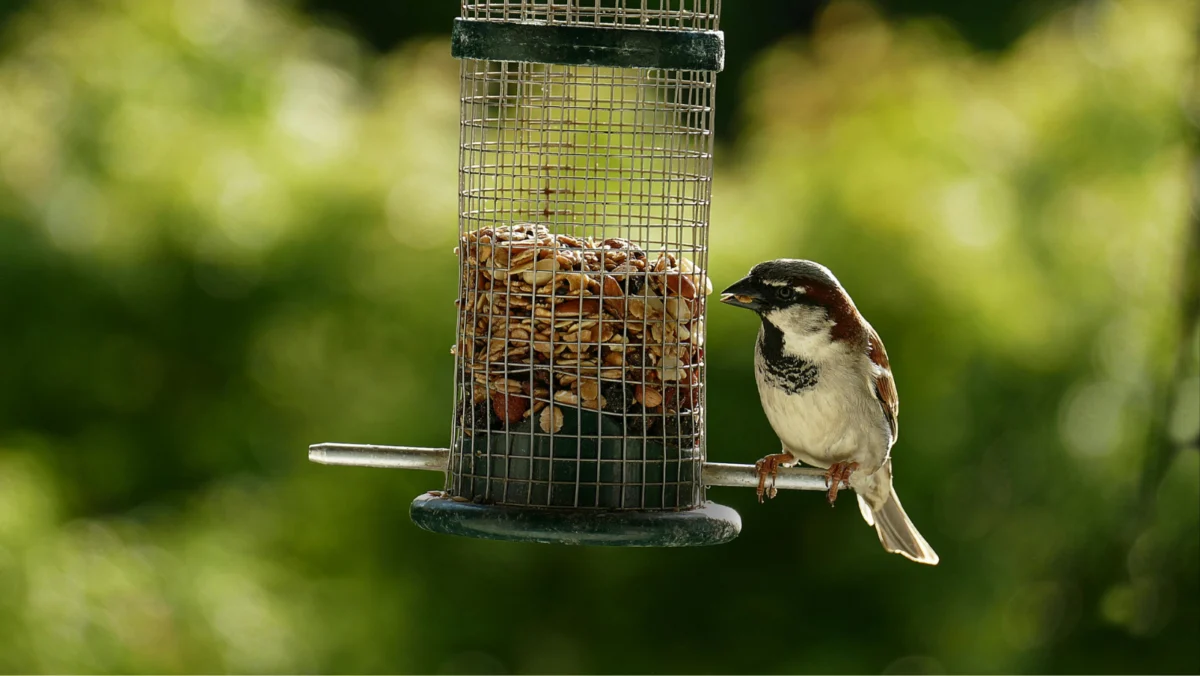
Recently, our trajectory took an unexpected turn toward the backyard. My daughter, driven by a sudden interest in local ornithology, insisted that we install bird feeders. What began as a negotiation—me, wary of adding another line item to a grueling to-do list—evolved into a quiet revolution in our home. We now maintain feeders in both the front and back yards. This transition from the monumental first steps of a toddler to the repetitive, rhythmic nature of birdwatching marks a significant evolution in how we perceive time and value.
Supporting Data: The Psychology of "Micro-Savoring"
While the experience of chronic pain is deeply personal, the psychological mechanisms used to cope with it are grounded in a growing body of research. Experts in positive psychology refer to the practice of noticing and extending positive experiences as "savoring."
According to research published in the Journal of Positive Psychology, the capacity to savor—the intentional focusing on, enjoying, and extending the positive aspects of an experience—is a significant buffer against the negative psychological impacts of chronic illness. When the body is in a state of high alert or pain, the brain often enters a "threat-monitoring" mode, which narrows focus and increases stress.
The act of birdwatching, as I have come to realize, acts as a sensory intervention. When I watch a mourning dove land on the grass or a mockingbird navigate the rim of a feeder, I am not merely observing wildlife. I am engaging in a practice that psychologists call "grounding."
The Science of Stillness
- Sensory Engagement: By focusing on the visual patterns of plumage or the sound of wings, the brain is momentarily diverted from internal pain signals.
- Cognitive Distraction: The complexity of identifying species or observing behavior occupies the cognitive load that would otherwise be spent ruminating on pain or future appointments.
- The "Awe" Effect: Even small instances of beauty can trigger a mild "awe" response, which has been shown to reduce systemic inflammation and improve mood regulation in chronic pain patients.
Official Perspectives: Navigating the Chronic Pain Landscape
Medical professionals increasingly emphasize the "biopsychosocial" model of pain management. This approach recognizes that pain is not merely a physical sensation but a complex interaction between biology, psychology, and social environment.
Dr. Elena Vance, a specialist in pain management and internal medicine, notes that "patients who develop a repertoire of ‘micro-interventions’—small, accessible ways to shift their attention—often report a higher quality of life, even when their objective pain levels remain constant. The goal isn’t to pretend the pain doesn’t exist; it is to build a life that is large enough to contain both the pain and the beauty."
This perspective aligns with the realization that my daughter and I have stumbled upon. We are not "cured" by the presence of birds in our yard. The pain remains a permanent fixture of our morning routines and evening rituals. However, the grip of that pain changes based on where we place our attention. When we are consumed by the pain, the world shrinks to the size of our own physical discomfort. When we choose to stop, breathe, and notice the arrival of a bird, the world expands.
Implications: Re-defining the "Savor-Worthy" Moment
The implications of this shift are profound. If we define "savoring" only by life’s major milestones—weddings, graduations, first steps—we inadvertently relegate the majority of our existence to a "waiting room" where we are simply killing time until the next big event.
For those living with chronic conditions, the "waiting room" is the life.
By re-orienting our focus toward the small, fleeting, and mundane, we reclaim agency. The mockingbird does not care about my blood test results. The dove does not judge my inability to walk without discomfort. They simply exist, and in their existence, they offer an invitation to be present.
What We Lose and What We Gain
- The Loss: We must abandon the expectation that life will be defined by an unbroken string of "big" moments. We must grieve the version of ourselves that existed before the chronic pain, accepting that the "firsts" are fewer and further between.
- The Gain: We gain a heightened capacity for gratitude. We learn to identify the "quiet reprieve." We recognize that a moment does not need to be monumental to be meaningful.
This is the central lesson I have learned alongside my daughter. We are learning to notice the moments that pass quickly—unless we choose to stop and see them.
Conclusion: A New Definition of Savoring
I remember my daughter’s first steps because they were a finish line. I remember the birds at the feeder because they are a continuous, living stream.
Savoring, as I understand it now, is not about holding onto a moment so it doesn’t leave; it is about recognizing the value of the moment while it is happening. It is the act of standing still when everything in your body is screaming at you to lie down. It is the act of breathing when the weight of a diagnosis threatens to suffocate.
As my daughter and I continue our journey, navigating the ebbs and flows of our shared experience, we find that our yard has become a sanctuary. It is a place where we are reminded that life is not just the big, painful, or medical events. It is the color of a wing, the chirp of a bird, the cool breeze on a porch, and the shared, silent acknowledgement that even on the hardest days, there is something worth looking at.
Maybe this is what it means to truly live. Not to wait for the next "first," but to cherish the many, quiet "lasts" and "currents" that make up the tapestry of our lives. We are learning that while the pain may never fully retreat, it does not have to be the only thing we see. We have learned to look past it, to the feeders, to the birds, and to each other. And in that, we have found a way to hold on.