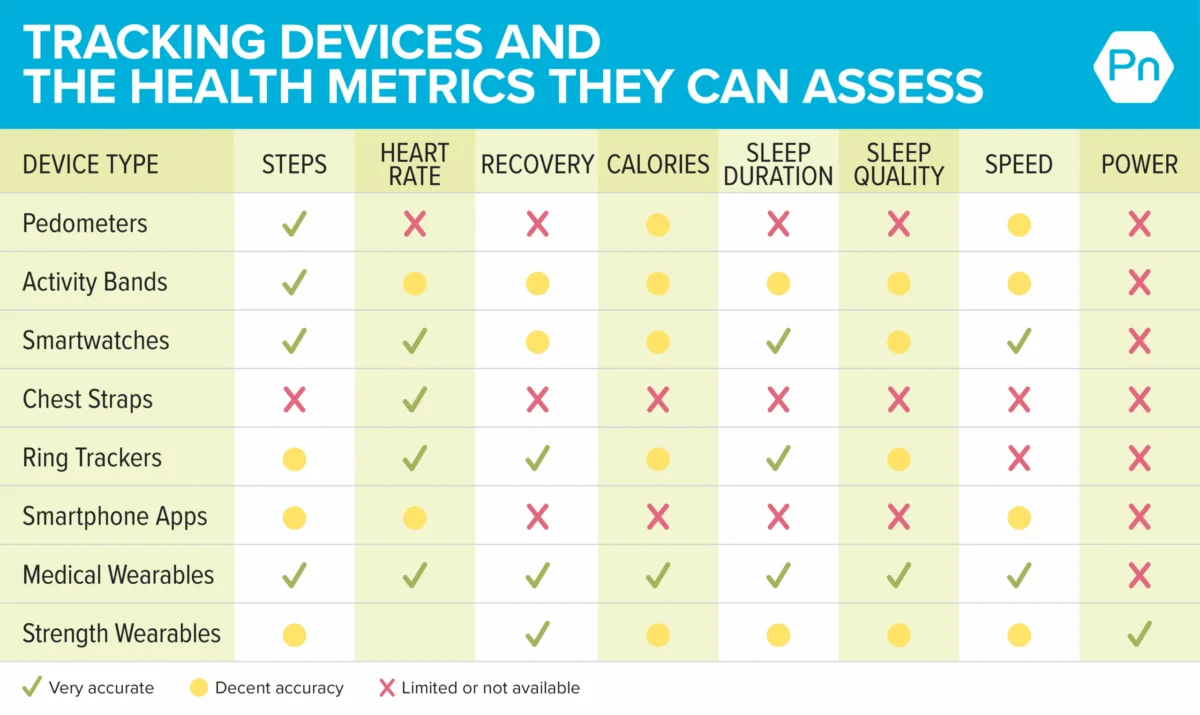
For millennia, human beings relied on the biological feedback loop to gauge their well-being. We felt the tightness in our chests when climbing a hill, the dull ache of muscle fatigue after a long day of labor, and the heavy eyelids signaling a need for rest. Today, however, we live in the era of the "Quantified Self." We no longer guess our status; we consult our wrists.
Whether you are a professional athlete tracking recovery heart rate or a casual jogger monitoring step counts, wearable technology has fundamentally altered our relationship with our bodies. While these gadgets offer a bridge between subjective sensation and objective precision, they also introduce a modern dilemma: how do we harness the power of data without losing the innate wisdom of our own senses?
The Evolution of Self-Assessment: From Intuition to Algorithm
The transition from internal sensing to external monitoring began in earnest with the rise of the fitness tracker. What started as simple pedometers has evolved into sophisticated medical-grade sensors capable of measuring sleep cycles, blood oxygen saturation, and even cardiovascular strain.
Historically, human self-assessment was remarkably nuanced, if occasionally flawed. Elite performers like Canadian sprinter Ben Johnson were famous for their uncanny ability to perceive their performance within a tenth of a second of a stopwatch. This level of internal calibration is rare, but it highlights a human capability that is often overlooked: our nervous system is a master of pattern recognition.
The modern challenge, however, is that our subjective assessments are prone to cognitive bias. As one industry expert notes, many people believe they are adhering to strict dietary habits until objective tracking reveals "invisible" caloric intake—such as the 500-calorie surplus hidden in a daily serving of barbecue sauce. In this context, technology acts as a necessary "reality check," stripping away the self-deception that often clouds our health goals.
The Data Paradox: Why More Isn’t Always Better
The integration of technology into health has created a distinct irony: we have access to more data than ever before, yet we are increasingly confused about what that data means. Computer scientist Samantha Kleinberg, a leading voice in decision-making research, argues that even a minor amount of superfluous information can significantly degrade our ability to make sound choices.
This is the "Paradox of Tracking." When we possess too little information, we are flying blind. When we possess too much, we suffer from analysis paralysis. Much like a diner struggling to pick a restaurant after reading five hundred conflicting reviews, the health-conscious individual can become paralyzed by conflicting metrics—heart rate variability, sleep stages, caloric expenditure, and recovery scores—all flashing at once.
The goal, therefore, is not to maximize the amount of data, but to reach the "sweet spot" of information. This is where the utility of the device is maximized without overwhelming the user’s cognitive load.

The Three Pillars of Helpful Tracking
To determine whether your relationship with your tracker is healthy or counterproductive, consider these three signs.
1. Validation and Stress Reduction
Tracking is most effective when it confirms what you suspect or calms your anxieties. Consider the case of "Zak," an athlete who struggled with Zone 2 training. Because he equated "hard work" with "high intensity," he felt that slow, steady exercise was ineffective. By monitoring his resting heart rate, he saw a objective decline—a sign of improved cardiovascular health. The data didn’t just measure his progress; it validated his process, allowing him to stop over-training and start recovering efficiently.
Conversely, tracking becomes a "bad omen" when it generates stress over metrics you cannot control. For example, a new parent tracking their sleep quality is likely to see "poor" scores due to the demands of a newborn. If this score creates anxiety, the technology has transitioned from a tool of empowerment to a source of unnecessary psychological distress.
2. Behavioral Prompting
Behavior change requires three things: motivation, ability, and a prompt. Trackers excel at providing the "prompt." Many users find that once they see a visual correlation—such as a poor night’s sleep directly linked to evening alcohol consumption—their behavior changes almost instantaneously. This is the "once you see it, you can’t un-see it" effect.
However, if the focus shifts from general well-being to chasing numbers, the motivation often collapses. When a cyclist begins to prioritize leaderboard times over the enjoyment of the ride, the sport becomes a chore. Burnout is a common side-effect of "metric-fixated" training, where the joy of the experience is sacrificed at the altar of the digital record.
3. Deepening Self-Knowledge
The most successful users of wearable tech are those who use it to calibrate their internal state. When you are feeling fatigued, does your watch confirm that your recovery score is low? Over time, you begin to recognize the physical sensations associated with that data. Eventually, you may not need the watch at all, because your internal awareness has become sharper.
The risk here is over-reliance. The "Great MyFitnessPal Blackout" of 2019 serves as a cautionary tale. When the app went offline, millions of users felt a sense of panic, realizing they no longer knew how to gauge their own hunger or caloric needs without a digital interface. This loss of autonomy is the ultimate failure of the quantified self.
Integrating Tech with Human Biology
If we are to maintain a healthy relationship with our gadgets, we must treat them as consultants, not directors. Here are three actionable strategies to bridge the gap between data and intuition:

1. The "Pre-Check" Protocol: Before you consult your app, pause. Ask yourself: "How do I feel today?" Record that feeling. Only then look at your data. By comparing your internal prediction with the external output, you actively train your brain to become more accurate.
2. Develop Qualitative Shortcuts: Not every metric needs to be tracked via sensor. For instance, the "Rate of Perceived Exertion" (RPE) is a highly validated tool. By periodically comparing your perceived effort to your heart rate data, you can build a mental shortcut that serves you even when you aren’t wearing your device.
3. Respect Your Internal Network: Technology uses gyroscopes and GPS, but you possess a proprioceptive system, a digestive sensory network, and an intricate hormonal feedback loop. Your body is the original "tracker." By periodically disconnecting from technology—such as leaving the watch at home during a walk or ignoring the calorie counter for a meal—you keep your internal sensory systems engaged.
Implications for the Future of Wellness
As we move forward, the line between technology and biology will continue to blur. We are entering an era of "biowearables," where continuous glucose monitors and other advanced sensors will provide even deeper insights.
The implication is clear: the individuals who will thrive in the coming decade are not those with the most expensive watches, but those with the most developed sense of self-awareness. Technology should serve to amplify our biological intelligence, not replace it. By using these tools to calibrate our senses rather than override them, we can build a more sustainable, enjoyable, and effective path to health.
In the end, the most important metric is not your sleep score or your step count; it is your ability to live a life that feels as good as it looks on a dashboard. Use the data, but never forget the person behind the screen. After all, your ancestors didn’t need a gadget to know when they were thriving—and with the right practice, neither will you.