









By Chelsea Cirruzzo and Lizzy Lawrence
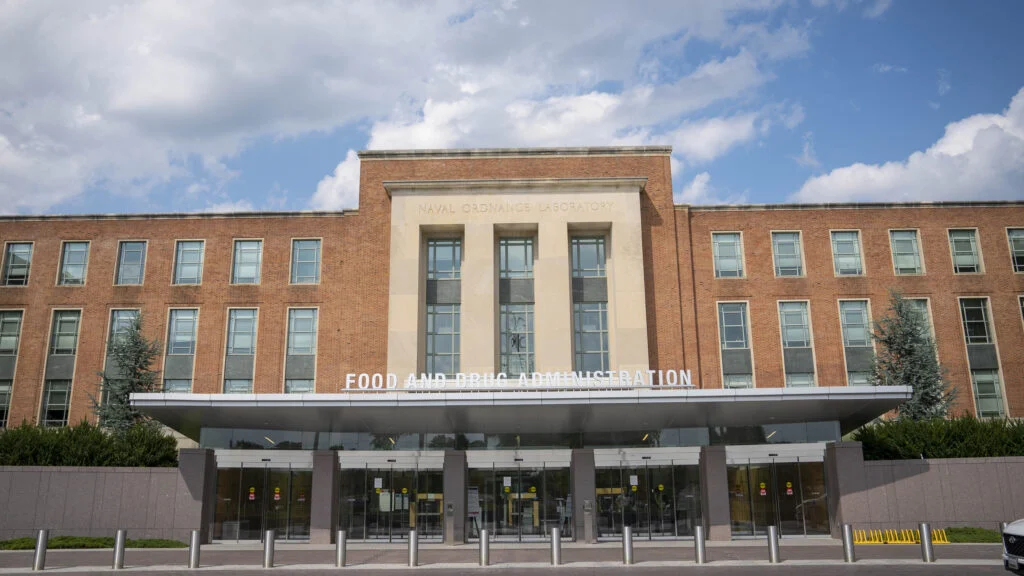
WASHINGTON — In a strategic bid to reshape the global landscape of pharmaceutical development, federal health officials unveiled a high-stakes pilot program on Monday designed to drastically accelerate early-stage clinical trials. The initiative, aimed at slashing development timelines by six to 12 months, serves as the cornerstone of a broader administration effort to reinvigorate the American biotech sector and blunt the growing influence of Chinese-led clinical research.
The program arrives at a volatile time for the Food and Drug Administration (FDA) and the Department of Health and Human Services (HHS). Following the recent resignation of Commissioner Marty Makary, the agency is under intense pressure to streamline regulatory bureaucracy while maintaining safety standards. By optimizing the Investigational New Drug (IND) pathway, the administration hopes to create a more hospitable environment for domestic innovation, effectively "onshoring" the development of next-generation therapies.
The Strategic Imperative: Why Speed Matters
The race to develop drugs has shifted from a purely scientific endeavor to a geopolitical priority. For years, the U.S. has watched as clinical trial activity surged in China, fueled by lower costs, faster recruitment timelines, and a more streamlined regulatory environment.
In a recent op-ed for Fox News, Health Secretary Robert F. Kennedy Jr. framed the situation as an existential threat to American medicine. "The United States is losing ground," Kennedy wrote, arguing that the nation’s ability to pioneer the next generation of life-saving drugs depends on its ability to compete on speed and efficiency.
The pilot program is designed to address the "valley of death" in drug development—the period between promising laboratory discovery and the successful initiation of human trials. By providing developers with more intensive, early-stage regulatory guidance and potentially allowing for rolling submissions of preliminary data, the FDA hopes to shave up to a full year off the development lifecycle.

Chronology: From Concept to Implementation
The road to this week’s announcement has been marked by internal debate and high-level personnel transitions.
- Early 2025: Initial discussions within the administration began regarding the need for a structural overhaul of the IND process, driven by data showing that U.S. sponsors were increasingly opting to conduct Phase 1 trials abroad.
- Spring 2026: Tensions regarding China’s role in the biotech supply chain reached a fever pitch, with various industry stakeholders calling for federal intervention to prevent the loss of intellectual property and clinical data to overseas competitors.
- May 2026: FDA Commissioner Marty Makary, a vocal proponent of administrative deregulation and process efficiency, resigned his post. While his departure initially clouded the future of his proposed "faster pathway," the administration moved quickly to clarify that the policy was independent of any single official.
- September 2026: The formal announcement of the pilot program confirms that the administration remains committed to the core tenets of the Makary-era reforms, integrating them into the broader 2027 fiscal budget request.
Supporting Data: The Cost of Regulatory Drag
Industry analysts have long pointed to the "regulatory tax" as a primary reason for the exodus of domestic clinical trials. According to data cited by the FDA, the average time to transition from an IND filing to the start of a clinical trial in the United States is currently 15% longer than in competing markets, including the EU and China.
A 2025 study from the American Biotech Alliance suggested that for every month of delay in clinical trial initiation, a company faces an average of $2 million in additional overhead, excluding the opportunity cost of delayed drug approval. These delays are particularly devastating for small-to-mid-sized biotech firms, which often operate on thin venture capital runways.
"If we can cut six months from the early phase, we aren’t just saving money," said an industry consultant familiar with the pilot. "We are keeping potentially revolutionary therapies in the American pipeline that would otherwise have been abandoned due to lack of capital."
Official Responses and Political Friction
The announcement has received a tepid but curious reception from the broader scientific community. While the prospect of faster approvals is generally welcomed by patient advocacy groups, some experts urge caution.
"Speed is a metric, not a goal," said one former FDA official who requested anonymity. "The challenge is ensuring that we don’t sacrifice the rigorous data collection required to ensure patient safety. If we cut corners in the IND phase, we risk finding out about critical safety signals when the trial is already in Phase 3, which is far more expensive and dangerous."

The administration, however, maintains that the pilot is not about cutting corners but about "modernizing communication." Under the new framework, the FDA will establish "Innovation Liaison Teams" to work directly with sponsors during the IND filing process, identifying potential hurdles before they result in formal "clinical holds."
Secretary Kennedy’s involvement suggests a top-down mandate to change the culture within the FDA’s centers for drug evaluation. By aligning this pilot with the 2027 budget request, the administration is signaling that this is not a one-off experiment, but a foundational shift in how the government interacts with private industry.
Implications: A New Era of Biotech Competition?
The implications of this policy shift are vast, touching on national security, economic policy, and global health equity.
1. The Geopolitical Dimension
By incentivizing domestic trials, the U.S. is attempting to decouple its pharmaceutical innovation ecosystem from China. This is not merely about drug prices; it is about data sovereignty. Clinical trial data is the "gold" of the 21st-century biotech economy. By keeping these trials on U.S. soil, the government aims to ensure that the intellectual property generated during the development process remains within the domestic economy.
2. Market Impact
Investors are closely watching to see which therapeutic areas—likely oncology, rare diseases, and neurodegenerative disorders—will be prioritized for the pilot. If the pilot succeeds in shortening timelines, it could trigger a surge in domestic investment, as the risk profile for early-stage biotech companies becomes more manageable.
3. Regulatory Precedent
The permanent establishment of a "fast-track" IND pathway would represent one of the most significant changes to the FDA’s operating procedures in the last two decades. If successful, it could serve as a template for other regulatory bodies globally. However, it also raises questions about whether the FDA has the internal staffing and resources to handle the increased velocity of submissions.

Conclusion: The Path Forward
As the pilot program kicks off, the eyes of the pharmaceutical industry will be fixed on the FDA’s administrative offices. The success of this initiative will be measured not just by the number of trials started, but by the safety profile of the resulting therapies and the ultimate speed at which they reach the market.
For the administration, the gamble is clear: demonstrate that the U.S. can remain the global leader in medical innovation through efficiency and strategic support, or risk conceding the future of medicine to global rivals. Whether this move provides the necessary spark to ignite a new era of domestic biotech growth remains to be seen, but one thing is certain: the era of "business as usual" at the FDA has officially come to an end.
The coming months will provide the first real test of whether this ambitious program can deliver on its promises, or if it will become another footnote in the complex history of American drug regulation. For patients waiting for the next generation of life-saving treatments, the stakes could not be higher.