











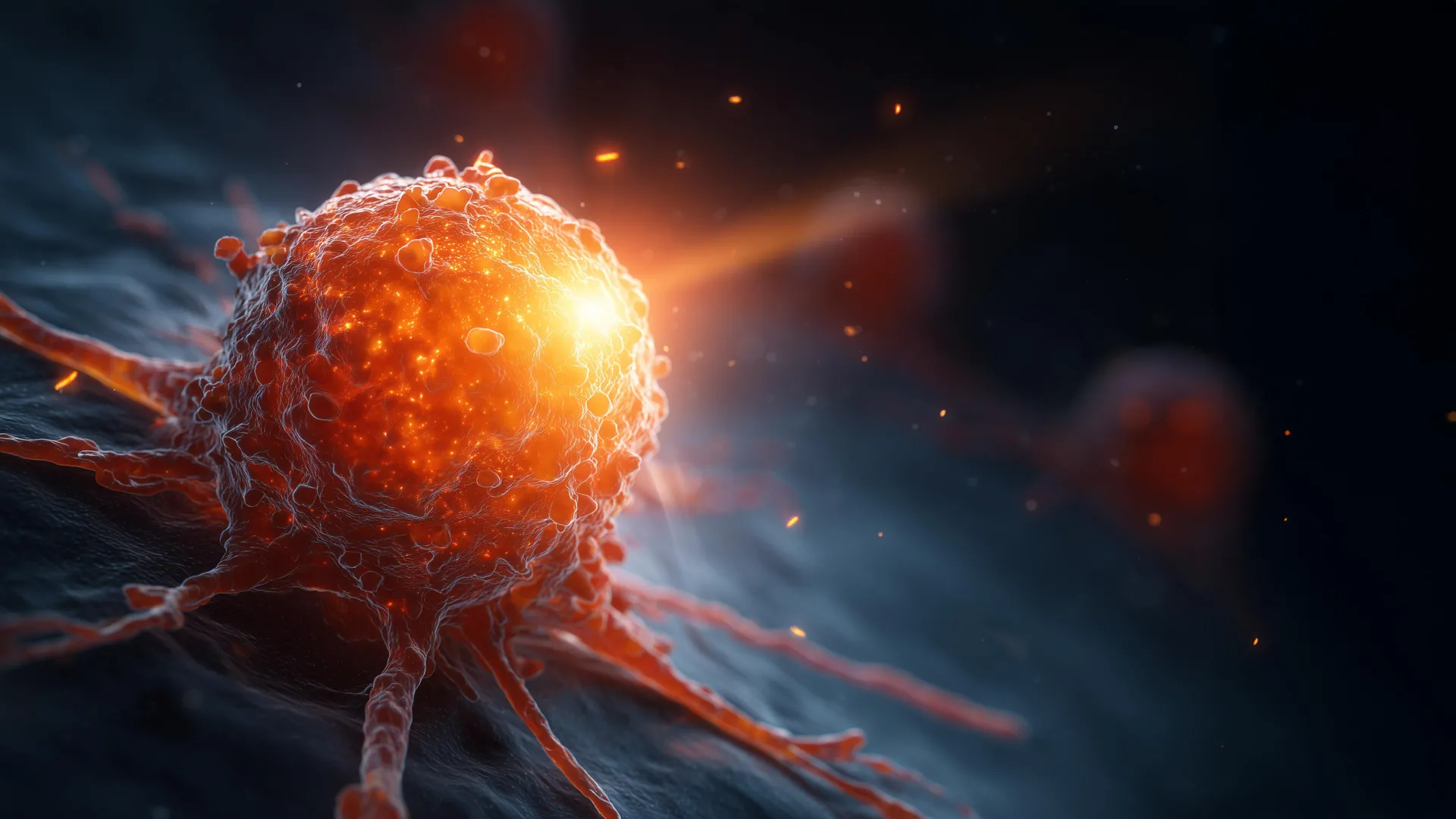
For decades, a diagnosis of metastatic pancreatic cancer has been synonymous with a grim prognosis. Often described as a "silent killer," the disease progresses rapidly and stealthily, usually remaining asymptomatic until it has already metastasized to distant organs. For patients diagnosed between 2015 and 2021, the statistics were devastating: approximately 97% of those with metastatic disease succumbed within five years.
However, the landscape of oncology is currently witnessing a seismic shift. A breakthrough in molecular medicine has led to the development of a novel therapeutic, daraxonrasib, which has demonstrated the ability to neutralize the primary protein driver of pancreatic tumors. By effectively targeting the "undruggable," researchers have achieved what was long considered impossible, nearly doubling survival rates and offering a glimmer of hope to thousands of patients.
The Silent Challenge: Why Pancreatic Cancer Remains Lethal
To understand the magnitude of this advancement, one must first appreciate the biological obstacles that have rendered pancreatic cancer so resilient to traditional medical intervention.
The disease’s lethality is rooted in its elusive nature. Because there are currently no effective, population-wide screening tests, the cancer is rarely detected in its nascent stages. By the time a patient presents with hallmark symptoms—such as obstructive jaundice (yellowing of the skin and eyes) or persistent, unexplained abdominal pain—the tumor has typically infiltrated neighboring tissues or migrated to distant organs, rendering curative surgery impossible.
Historically, the standard of care has relied heavily on aggressive chemotherapy. These systemic treatments function by attacking rapidly dividing cells throughout the body. While chemotherapy can successfully shrink tumors and extend life by a matter of months, its efficacy is severely hampered by the tumor’s adaptive nature. Pancreatic cancer cells are notoriously adept at developing resistance to toxic drugs, forcing oncologists to rely on increasingly harsh regimens that often come with debilitating side effects.
Chronology: From ‘Undruggable’ to Clinical Breakthrough
The journey to daraxonrasib is a story of long-term persistence in the face of molecular failure.
- The Genetic Root (The 1980s–2000s): Decades ago, researchers identified that more than 90% of pancreatic cancers are driven by mutations in the KRAS gene. In a healthy cell, the KRAS protein acts as a molecular "on/off" switch that regulates cell growth. In cancer, the mutation causes this switch to become permanently stuck in the "on" position, forcing cells to multiply uncontrollably.
- The "Undruggable" Era: For over 30 years, KRAS was deemed "undruggable." Its protein surface is exceptionally smooth, lacking the distinct molecular pockets or "clefts" that traditional small-molecule drugs require to bind and deactivate a protein.
- The Shift in Strategy (2010s–2024): Rather than trying to force a drug into a non-existent pocket, researchers began exploring indirect inhibition. Scientists hypothesized that if they could not block the KRAS protein directly, they might be able to target the cellular machinery that allows it to fold or function.
- The Phase 3 Milestone (May 31, 2026): Revolution Medicines, the biotech firm behind the research, unveiled the results of a 500-patient Phase 3 clinical trial. The data provided definitive proof that targeting the KRAS-pathway via an indirect mechanism could meaningfully extend the lives of patients with metastatic disease.
Supporting Data: The Efficacy of Daraxonrasib
The data released in late May 2026 marks a watershed moment in clinical oncology. Unlike previous experimental drugs that showed only marginal improvements, daraxonrasib represents a statistically significant leap forward.
In the clinical trial, which focused on patients with metastatic pancreatic cancer who had already failed prior lines of treatment, the drug demonstrated the following:
- Survival Doubled: The median overall survival rate for patients on daraxonrasib was 13.2 months, compared to just 6.7 months for those on the previous standard of care (chemotherapy).
- Mortality Risk Reduction: The drug demonstrated a 60% reduction in the risk of death compared to chemotherapy.
- Mechanism of Action: Daraxonrasib works through a highly sophisticated mechanism. It is an oral, daily medication that binds to a chaperone molecule called cyclophilin A. This complex then latches onto the active, mutated KRAS protein, effectively shutting down its ability to send growth signals to the cancer cell.
Managing the Trade-offs
While the survival benefits are unprecedented, the drug is not without its challenges. Because it targets a fundamental biological process, patients often experience side effects. The most prevalent is a prominent skin rash, which affected over 86% of study participants. Other frequent side effects included stomatitis (painful oral sores), diarrhea, nausea, and vomiting.
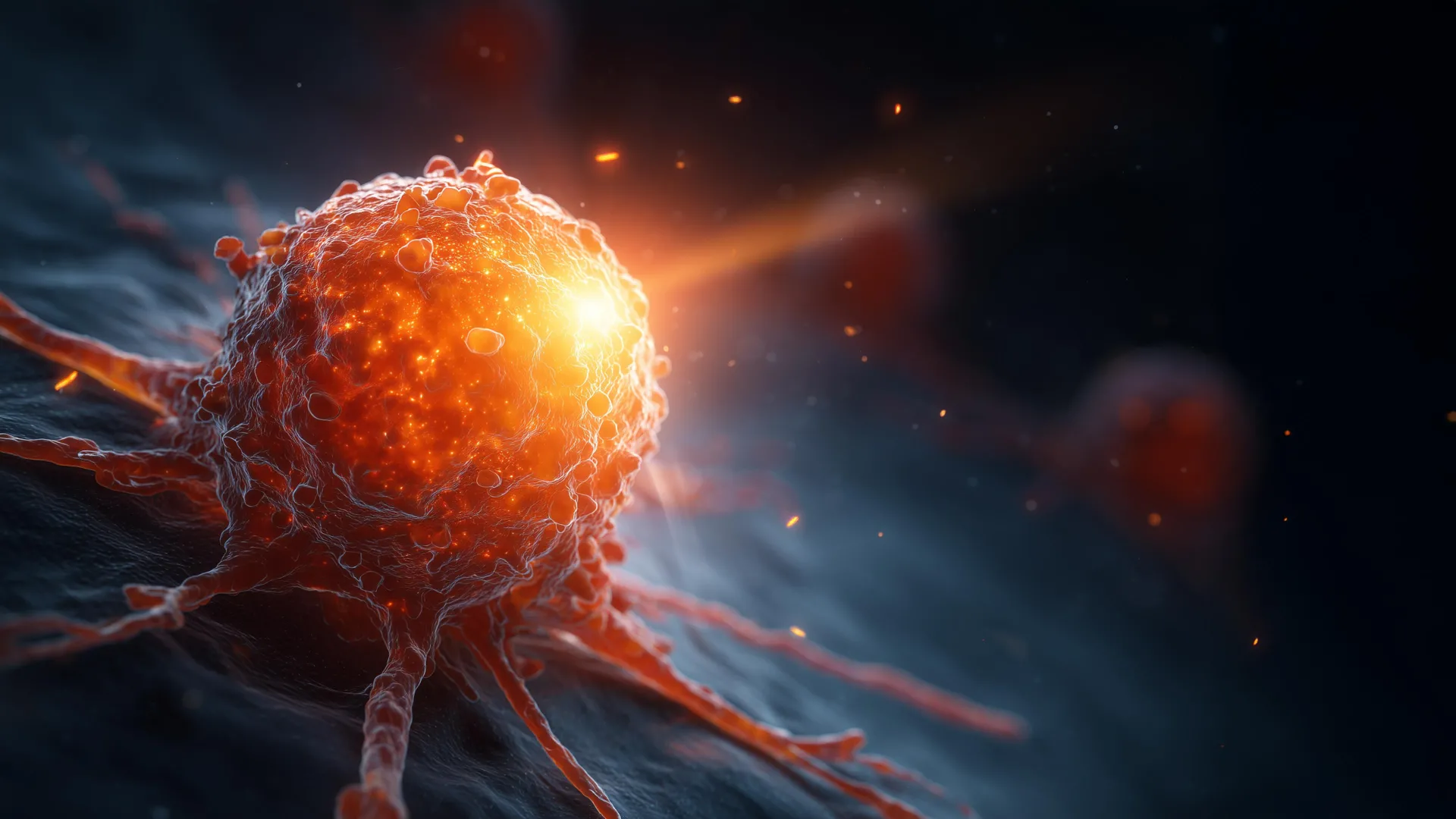
However, researchers noted a crucial distinction: while these side effects are significant, patients were far less likely to discontinue treatment due to toxicity compared to the brutal regimen of traditional chemotherapy. Consequently, participants reported a higher overall quality of life and better pain management during their treatment cycle.
Official Responses and Regulatory Outlook
The medical community has reacted to the news with cautious optimism. As regulatory bodies like the U.S. Food and Drug Administration (FDA) prepare to review the findings, the consensus among gastrointestinal oncologists is that this therapy will likely receive expedited review status.
"Given the desperate need for effective interventions in pancreatic cancer, we expect the regulatory process to prioritize this application," noted one lead researcher. "The goal is to get this into clinics as quickly as safety protocols allow."
Because the drug is now backed by a peer-reviewed Phase 3 trial, the pathway to FDA approval is clearer than ever. If granted, daraxonrasib could be available to patients within a matter of months, marking one of the fastest transitions from bench science to bedside care in the history of pancreatic cancer treatment.
Implications: A New Future for Oncology
The success of daraxonrasib carries implications that extend far beyond pancreatic cancer. It serves as a proof-of-concept for the "indirect targeting" of proteins. By demonstrating that we can neutralize a protein by interfering with its cellular helpers—in this case, cyclophilin A—researchers have unlocked a new toolkit for treating other "undruggable" cancers.
The Road Ahead: Combination Therapies
The next phase of development will likely involve combination therapies. While daraxonrasib is highly effective on its own, cancer cells are notoriously creative in finding ways to bypass inhibition. Future clinical trials will examine how to pair daraxonrasib with other novel agents to "box in" the tumor, preventing it from developing resistance.
Personalized Medicine
This advancement also highlights the growing importance of precision oncology. Instead of the "blunt instrument" approach of chemotherapy, which treats all pancreatic tumors as identical, physicians will increasingly be able to tailor treatment to the specific genetic profile of a patient’s tumor.
As we move toward a future where KRAS-mutated cancers are no longer automatic death sentences, the focus will shift toward earlier detection. If these drugs can be moved from the metastatic setting to the adjuvant setting—treating patients immediately after surgery—we may soon see a future where pancreatic cancer is not just treatable, but potentially curable for a much larger segment of the population.
For the patients and families who have long felt abandoned by the limitations of modern medicine, the emergence of daraxonrasib represents the first meaningful crack in the wall that has held back progress for decades. The "undruggable" barrier has been breached, and the era of precision-targeted therapy for pancreatic cancer has finally arrived.