






In a masterclass of biotech maneuvering, a newly unveiled startup, Serapha Bio, has officially entered the competitive gene-editing landscape. The company, which launched this Tuesday, has successfully navigated the complex trifecta of international contract negotiations with a Chinese pharmaceutical partner, a massive $230 million capital infusion, and a strategic reverse merger.
The primary objective for Serapha Bio is ambitious: to develop a “one-and-done” curative treatment for Alpha-1 Antitrypsin Deficiency (AATD), a debilitating genetic condition that severely impacts both liver and lung function. By securing the backing of heavyweights RA Capital and RTW Investments, Serapha is positioning itself as a formidable player in the quest to address the root cause of this hereditary disease rather than merely managing its symptoms.
The Financial Architecture of the Launch
The launch of Serapha Bio is not a traditional startup story; it is a calculated financial maneuver designed to bypass the long, arduous process of building infrastructure from scratch. The $230 million in total funding is divided into two distinct but synergistic pools:
- Series A Financing ($138 million): Led by RA Capital and RTW Investments, this capital is earmarked for the research and development of Serapha’s core gene-editing platform.
- Reverse Merger Capital ($92 million): This portion of the funding is tied directly to the company’s acquisition of Boundless Bio.
Boundless Bio, which burst onto the scene in 2019 with a high-profile focus on extrachromosomal DNA and its role in oncological progression, had recently encountered significant headwinds. When their lead clinical program faltered, the company faced the existential crisis common to early-stage biotechs: pivot or perish. Through this merger, Serapha Bio has effectively inherited the operational shell, intellectual property assets, and residual capital of Boundless, allowing them to accelerate their timeline by months, if not years.
Chronology of the Deal
The genesis of Serapha Bio reflects the current climate of the biotech industry, where capital efficiency and speed-to-market are the ultimate currencies.
Late 2023 – Early 2024: Negotiations began in secret between the founding investors and the Chinese drug company. The deal was complex, requiring a framework that satisfied international regulatory scrutiny while ensuring that the gene-editing technology could be deployed globally.
Q2 2024: As Boundless Bio’s internal data regarding their cancer programs began to underperform, the board began exploring “strategic alternatives.” This provided the perfect opening for RA Capital and RTW to initiate the merger discussions.
August 2024: Finalization of the contract with the Chinese pharmaceutical partner, granting Serapha Bio access to specific proprietary delivery mechanisms or targets essential for their AATD program.
September 2024: The formal launch of Serapha Bio. The company emerges as a combined entity, transitioning from the cancer-focused mission of the former Boundless Bio to a specialized gene-editing powerhouse.

The Clinical Target: Addressing AATD
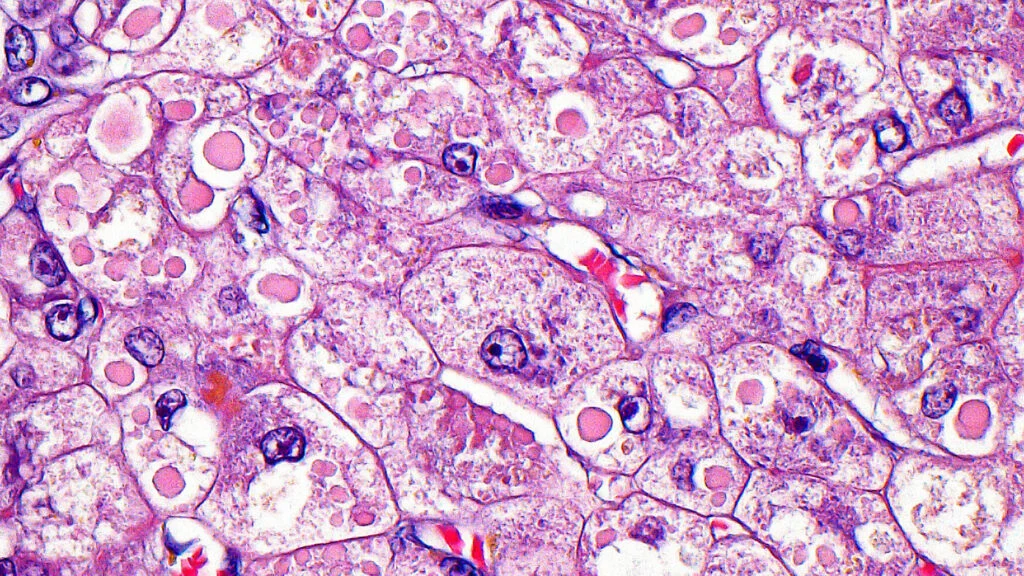
Alpha-1 Antitrypsin Deficiency is a genetic disorder caused by mutations in the SERPINA1 gene. It results in a deficiency of the alpha-1 antitrypsin protein, which protects the lungs from inflammation and damage caused by infection and inhaled irritants. In its most severe forms, the deficiency leads to early-onset emphysema and liver disease.
Currently, the standard of care for AATD involves "augmentation therapy"—weekly intravenous infusions of the alpha-1 protein derived from human plasma. It is a lifelong, expensive, and burdensome regimen that does not address the underlying genetic error.
Serapha Bio’s promise of a "one-and-done" treatment suggests the use of CRISPR-based or similar gene-editing technologies to either correct the mutation in the liver (where the protein is produced) or silence the production of the toxic, misfolded proteins that accumulate and cause liver cirrhosis. By shifting the paradigm from protein replacement to genetic correction, Serapha aims to offer a functional cure that would eliminate the need for ongoing infusions.
Supporting Data and Market Context
The biotech sector has seen a cooling in speculative investment, but "platform companies" with clear therapeutic targets—like Serapha—remain magnets for capital.
The $230 million figure is notable for its scale in the current market. According to recent industry reports, the median Series A for gene-editing startups has hovered between $60 million and $80 million over the past eighteen months. Serapha’s ability to command a $230 million injection suggests that investors are not only betting on the science but are also hedging against the risks associated with the clinical trial process.
Furthermore, the integration of Boundless Bio’s remaining assets suggests that Serapha is inheriting a sophisticated talent pool and laboratory infrastructure. While the lead program for Boundless may have failed, the underlying technological capability to study genetic expressions remains highly valuable.
Perspectives from Investors and Stakeholders
In an exclusive briefing, representatives from RA Capital and RTW Investments emphasized that the decision to structure the company through a reverse merger was a "capital-efficient necessity."
"The market is unforgiving toward companies that spend three years building a lab and finding a team," said a lead investor familiar with the transaction. "By merging with the Boundless infrastructure, Serapha Bio is essentially starting at the starting line of clinical development, not the starting line of organizational development."
Industry analysts are watching the move closely. The inclusion of a Chinese pharmaceutical partner introduces a layer of geopolitical complexity. As tensions rise regarding biotech IP sharing, Serapha’s ability to navigate these cross-border agreements will be a critical test of their legal and operational prowess.

Strategic Implications for the Future
The birth of Serapha Bio signals a potential shift in how biotech startups are "birthed." We are moving away from the "garage-to-IPO" model toward a "consolidation-to-clinical" model.
1. The Death of the "Zombie" Biotech
Boundless Bio’s transition into Serapha highlights a growing trend: investors are increasingly unwilling to let failed startups slowly bleed out. Instead, they are forcing mergers to recycle assets and intellectual capital. Expect to see more "reverse mergers" as the industry clears out companies that hit clinical walls.
2. High-Stakes Gene Editing
The AATD space is crowded. Competitors like Intellia Therapeutics and Beam Therapeutics have already made significant strides in liver-targeted gene editing. Serapha will need to demonstrate that their specific modality offers either better efficacy, a safer delivery profile, or a more convenient dosing schedule to dislodge incumbents.
3. The Cross-Border Challenge
By partnering with a Chinese drug company, Serapha is leveraging global innovation. However, they must now operate under a microscope. Regulatory bodies like the FDA in the United States and the EMA in Europe are increasingly scrutinizing the provenance of data generated through international partnerships. Serapha’s long-term success will depend on their ability to maintain transparent, high-quality data trails that satisfy international regulators.
Conclusion
Serapha Bio has arrived with significant fanfare and, more importantly, significant capital. By solving the dual problems of funding and infrastructure in one fell swoop, they have bought themselves the most precious commodity in medicine: time.
The road ahead remains fraught with risk. Gene editing is inherently unpredictable, and moving from a laboratory concept to a human patient is a journey that has ended many promising companies. However, for the thousands of patients suffering from AATD, the emergence of a well-funded, agile, and ambitious entity like Serapha provides a renewed sense of hope.
As the company transitions from the boardroom to the laboratory, the industry will be watching to see if this "reverse merger" strategy yields the clinical results that investors expect. If Serapha can deliver on its promise of a one-and-done cure, it will not only revolutionize the treatment of AATD but will also provide a new blueprint for how the next generation of biotech giants are built.