Published: June 23, 2026 | 06:00 AM
For many, the transition from sleep to wakefulness is marked by a lingering "brain fog"—a state of mental stagnation where thoughts feel cluttered and creativity feels stifled. As global interest in somatic health and mindfulness continues to surge, experts are increasingly pointing toward movement-based morning rituals as the most effective antidote to this dawn-induced lethargy.
Yoga instructor Daria LeGrand has introduced a novel 15-minute sequence designed specifically to bypass the rigidity of traditional exercise. By encouraging a "scribbly," intuitive approach to movement, this practice serves as a kinetic journal, allowing practitioners to externalize pent-up emotions and clear the mental cobwebs before the demands of the day take hold.
The Philosophy of Intuitive Movement
The core premise of LeGrand’s methodology is the shift from performance to curiosity. Unlike high-intensity interval training (HIIT) or rigid asana classes, this 15-minute sequence prioritizes the internal sensation of movement over the external aesthetic of the pose.
"Consider this a free-writing session for your body," says LeGrand. The approach treats the yoga mat as a blank page, encouraging the practitioner to investigate where they are physically and mentally. By removing the pressure to achieve "perfect" alignment, the body is invited to release stored tension, thereby unlocking latent creative energy. This philosophy aligns with recent studies in kinesiology, which suggest that non-linear, self-directed movement can stimulate the prefrontal cortex, enhancing cognitive clarity and emotional regulation.
Chronology of the 15-Minute Sequence
The following guide outlines the specific flow designed to transition the body from a dormant state to a state of heightened, creative alertness.
Phase 1: Grounding and Exploratory Tabletop
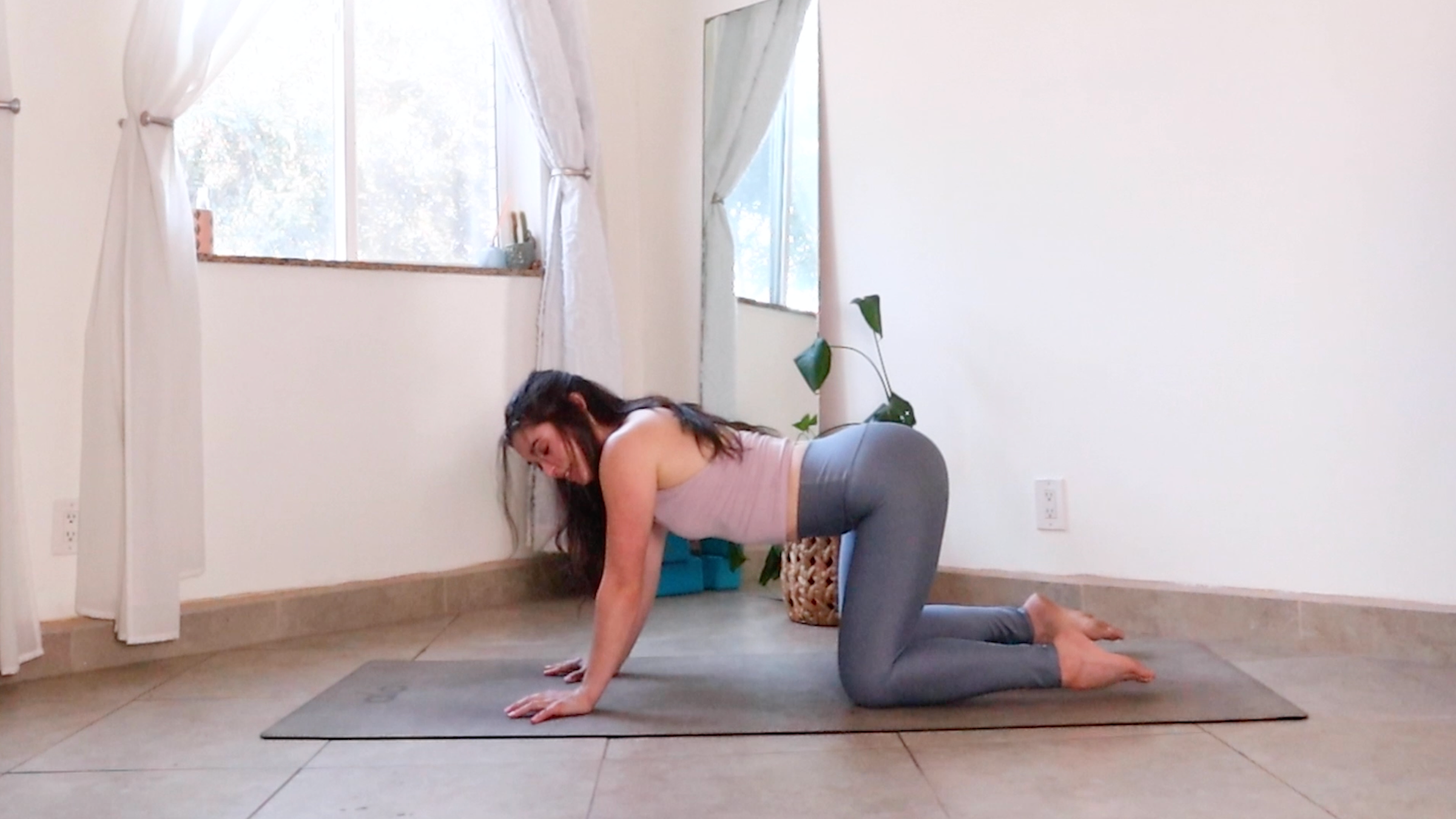
The practice begins on the hands and knees in a traditional Tabletop position. However, LeGrand immediately deviates from the standard stillness. Practitioners are encouraged to deviate from the midline: circling the hips, arching and rounding the spine, or swaying in a rhythmic, organic fashion. This initial minute acts as a sensory calibration, helping the nervous system switch from parasympathetic dominance to an engaged, waking state.
Phase 2: Dynamic Cat-Cow Tilts
LeGrand introduces a "Cat-Cow Tilt" variation that incorporates the lower body for added stability.
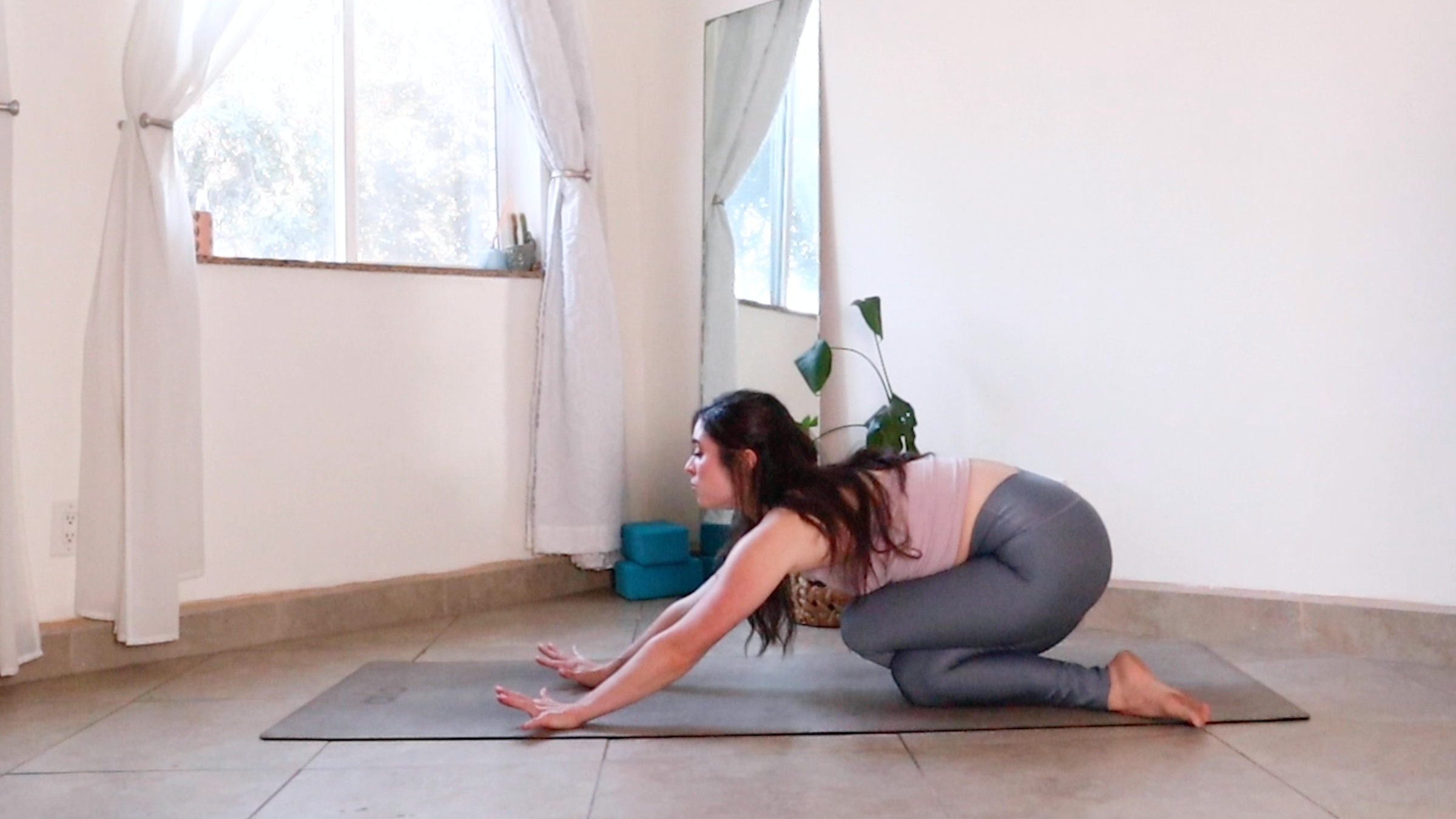
- The Extension: From Tabletop, extend the right leg behind you.
- The Cross: Exhale, bending the right knee and crossing it behind the left, creating a triangle with the knees.
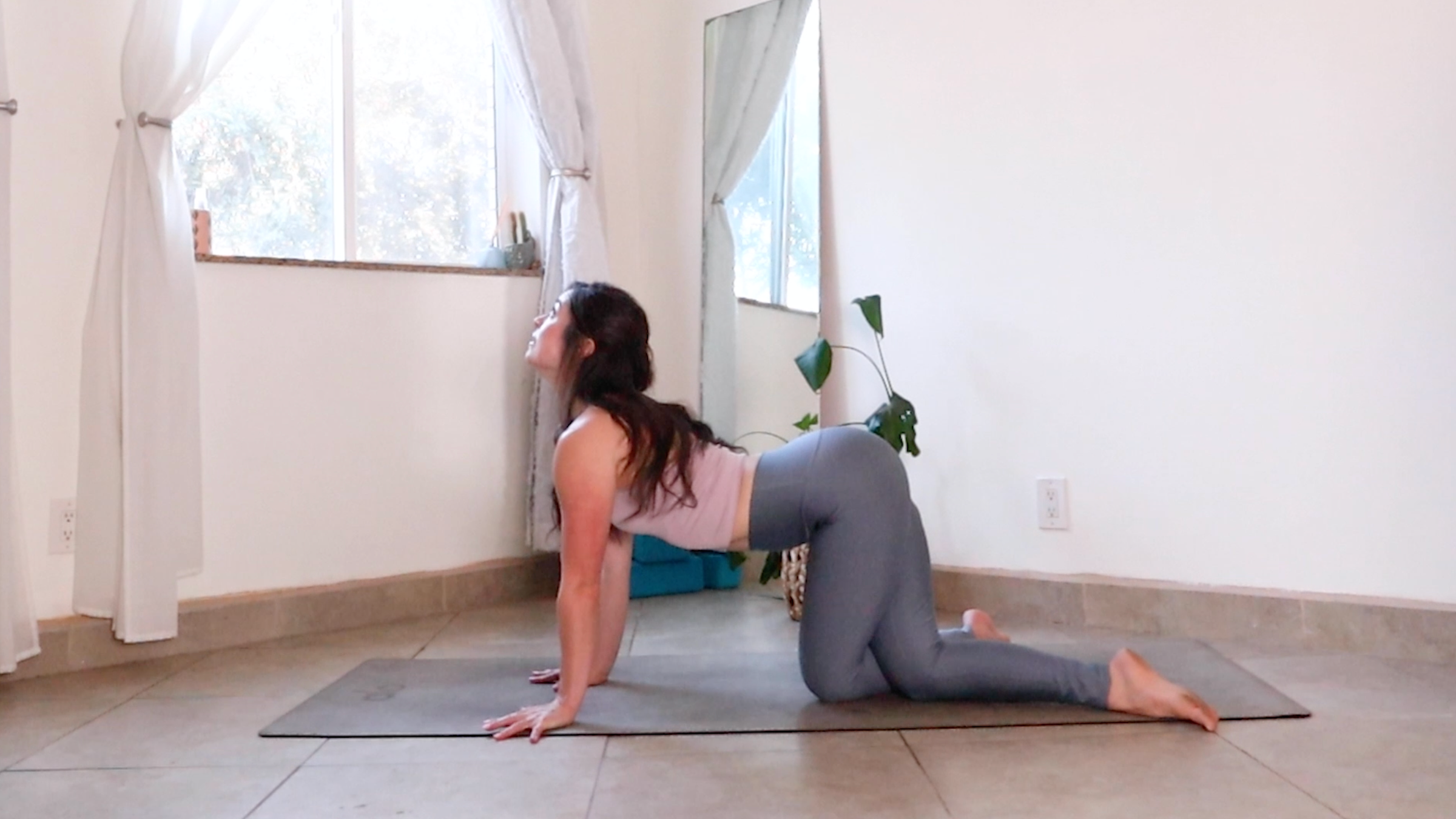
- The Wave: Inhale into a modified Cow Pose, lifting the chin and heart. Exhale to rock the sit bones toward the heels, maintaining a forward heart reach.
- The Round: Inhale into a modified Cat Pose, rounding the spine and shifting weight forward onto the hands.
This sequence is repeated three times, emphasizing the synchronization of breath with movement, which acts as a metronome for the mind.
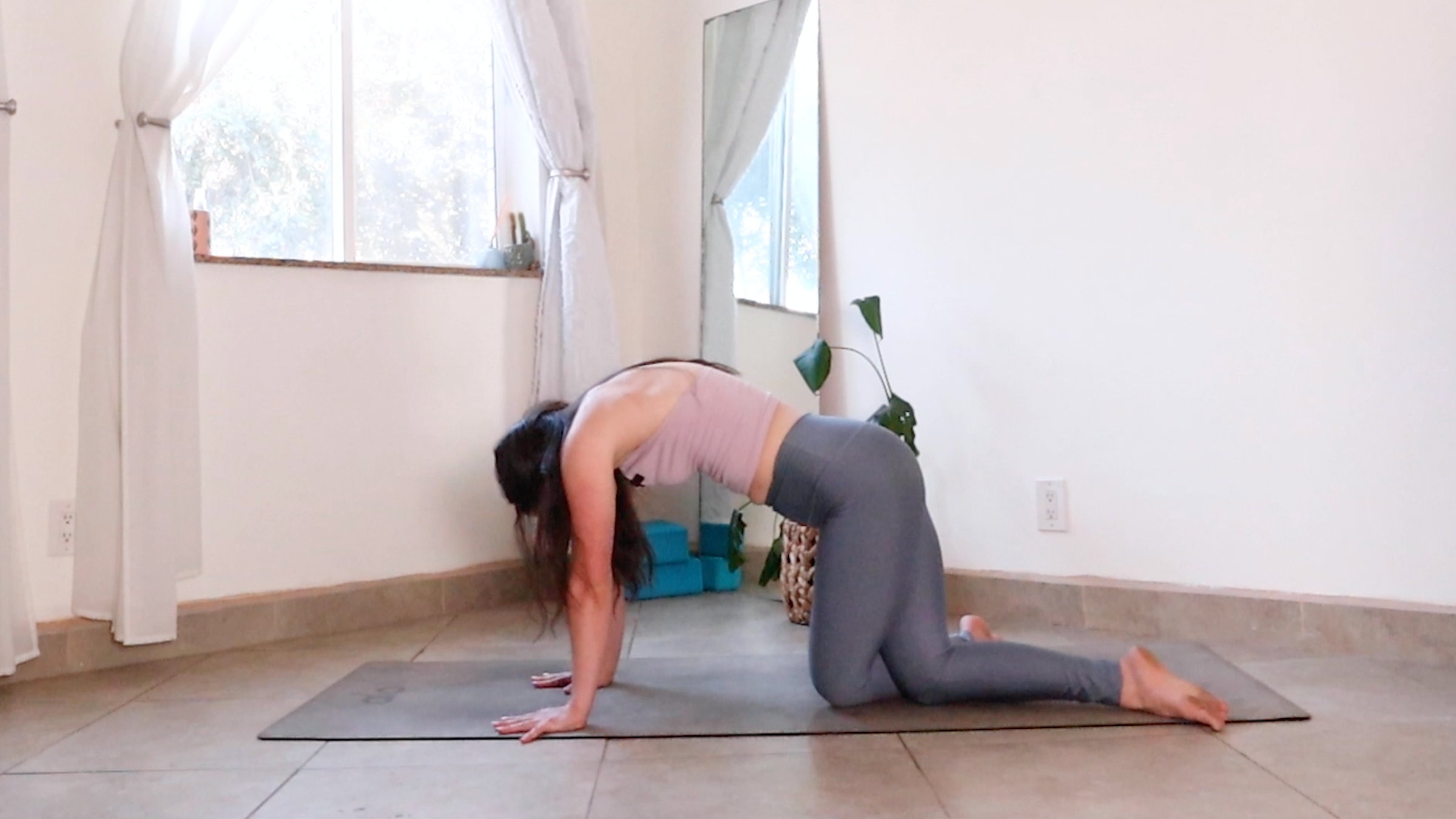
Phase 3: The Bird Dog Variation
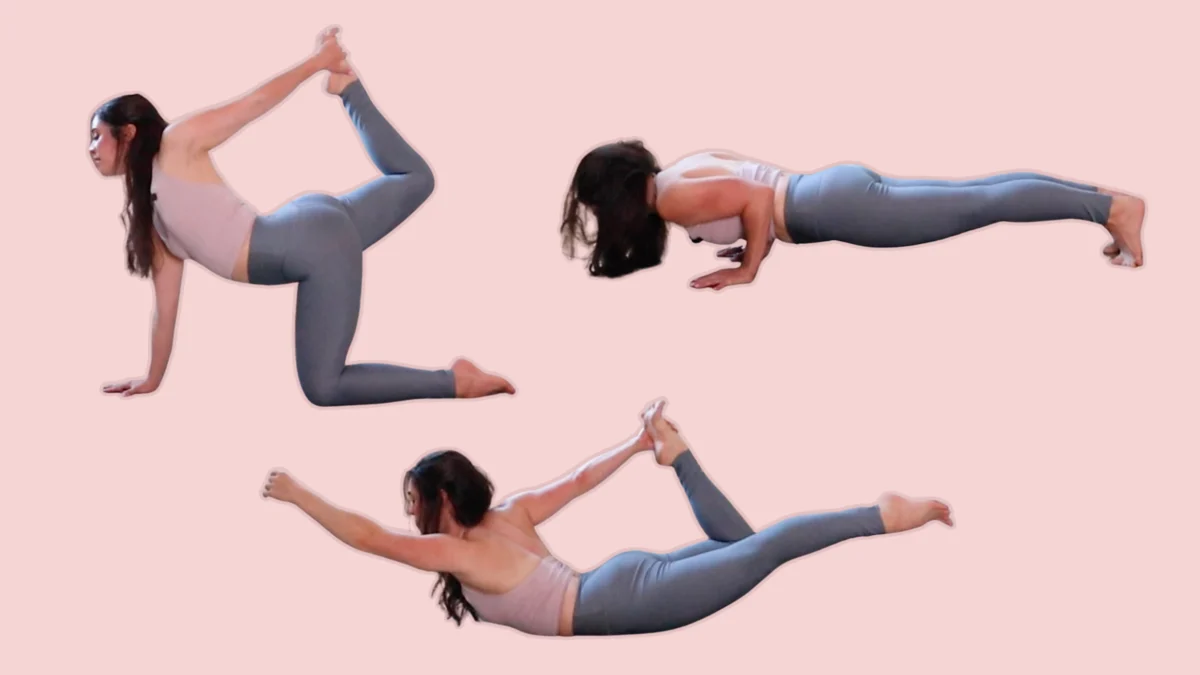
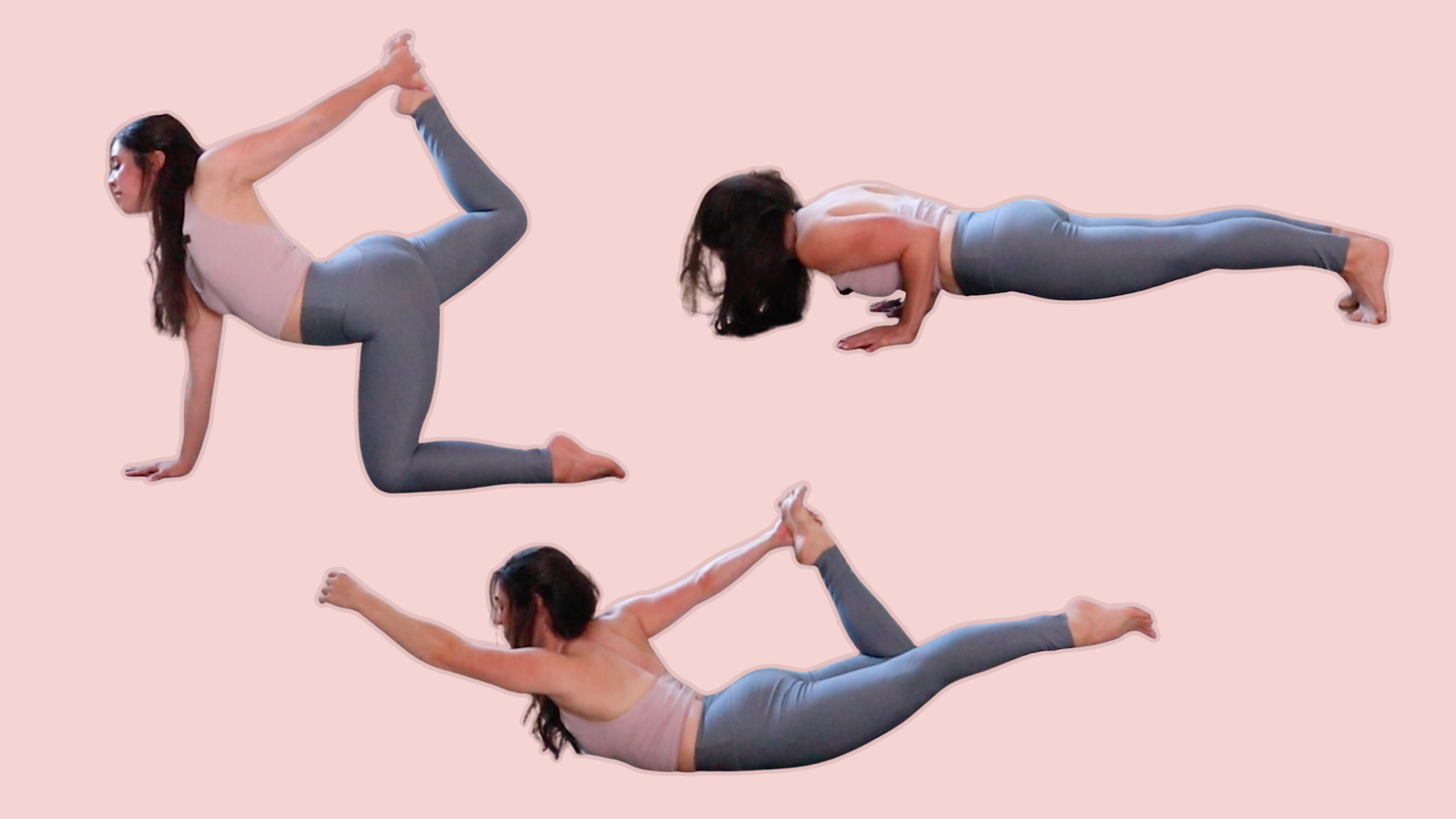
Building upon the previous movement, the Bird Dog variation adds a balance challenge that engages the core. The practitioner reaches the left hand back to capture the right ankle, creating a tension that stretches the quads and opens the chest. This requires deep focus, forcing the practitioner to be entirely present in the moment—a key component of mindfulness-based stress reduction (MBSR).
Phase 4: Plank and Downward-Facing Dog Waves
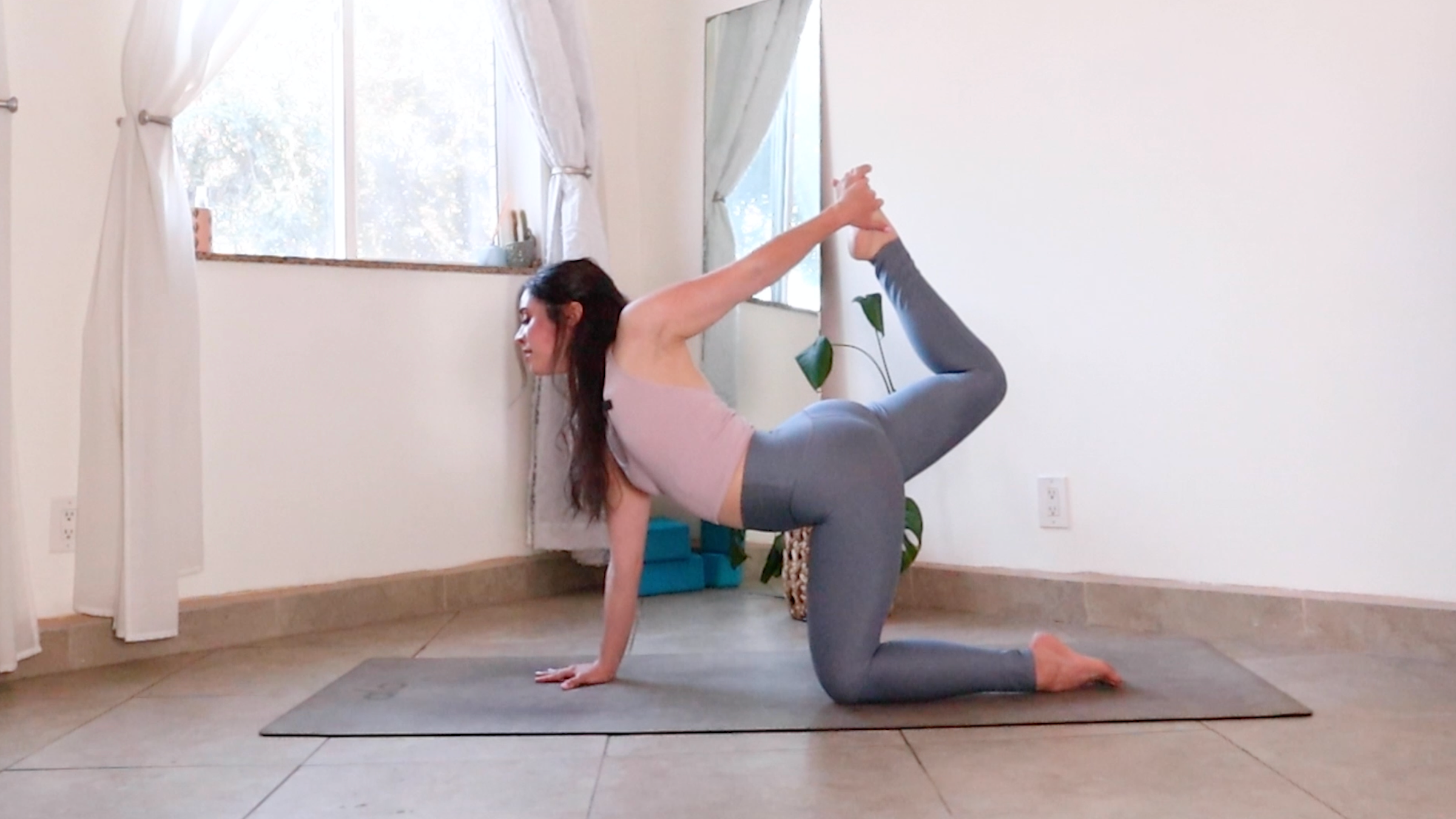
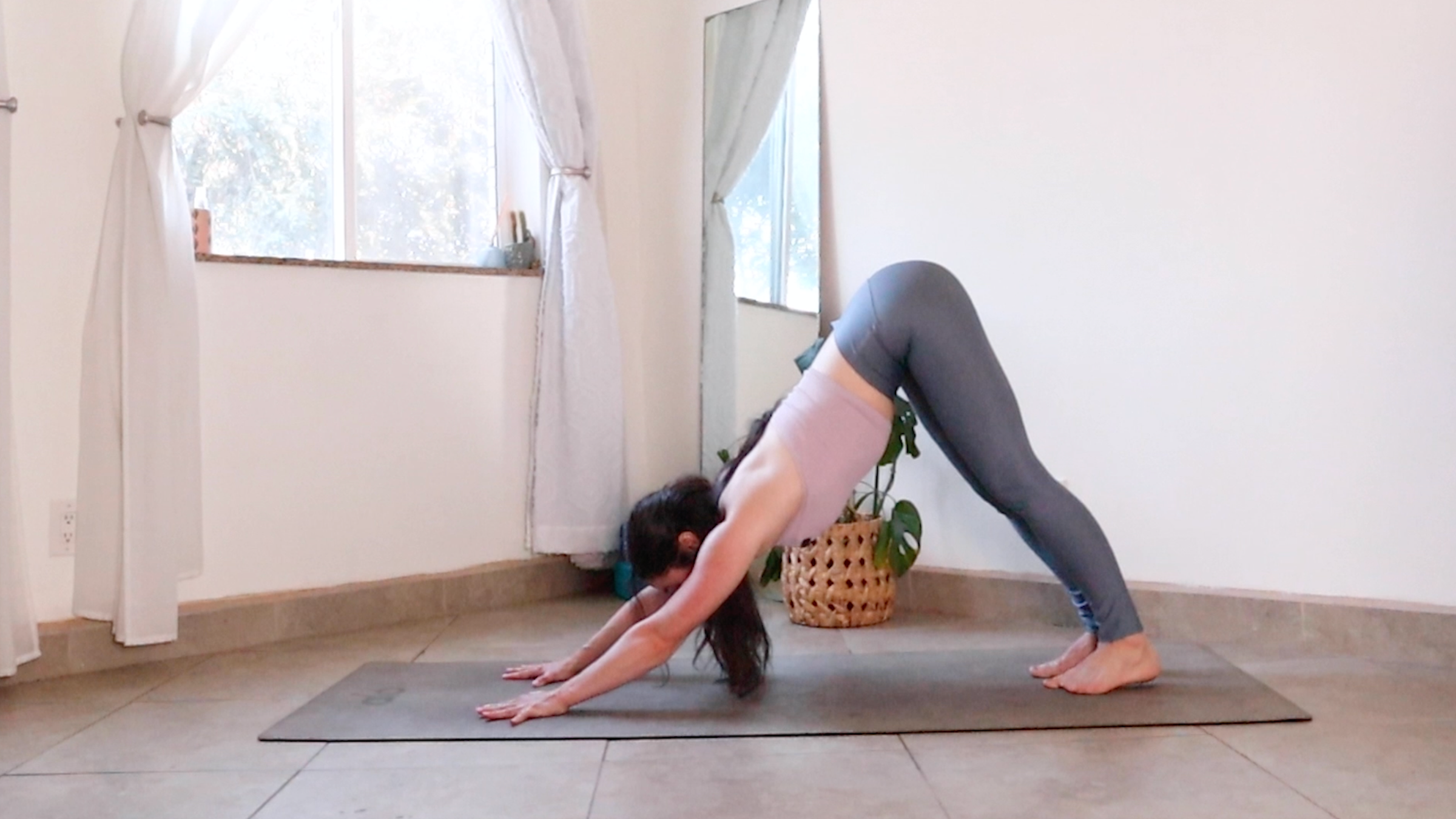
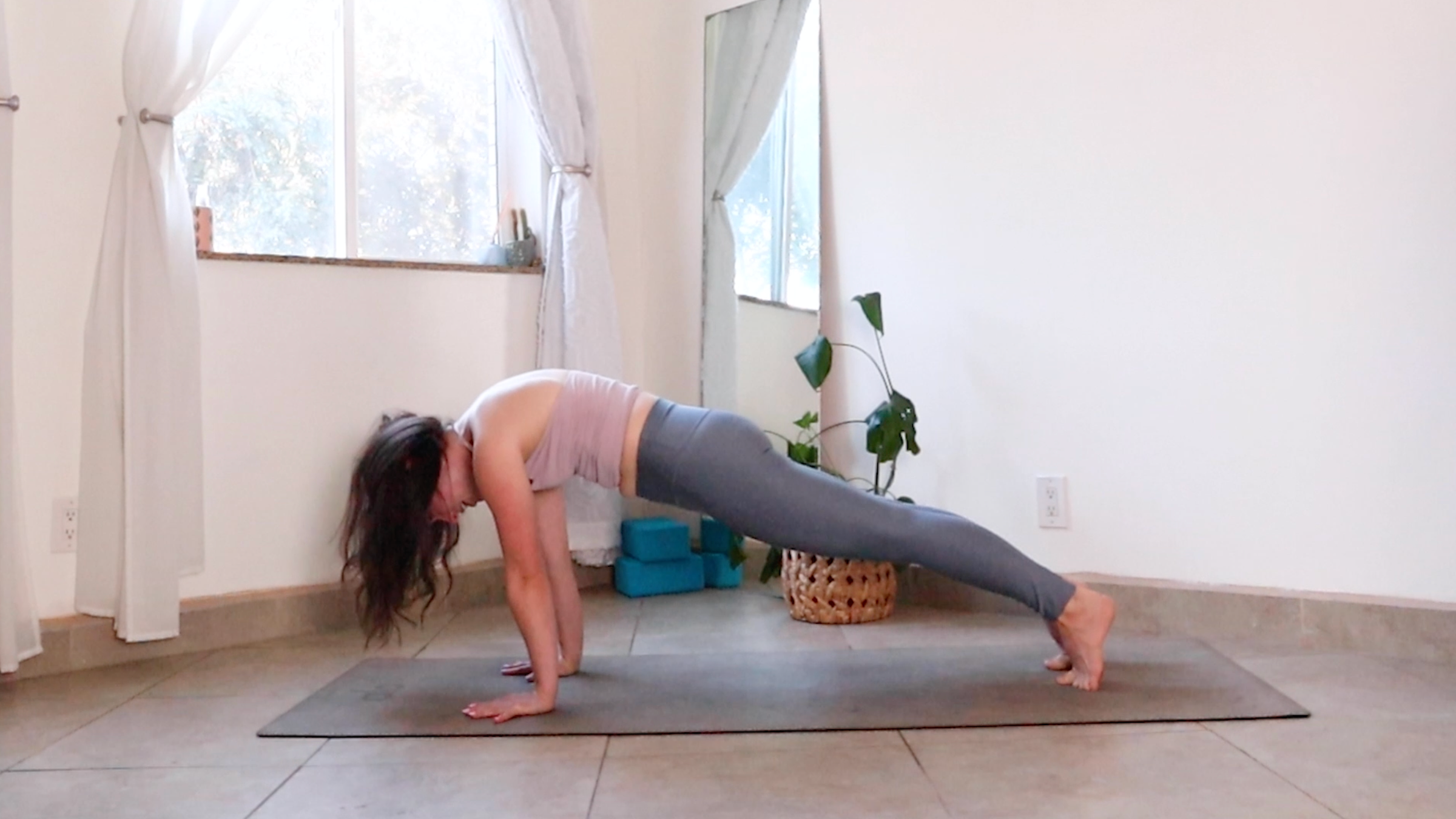
To build heat, the practice moves into a series of "waves" between Plank Pose and Downward-Facing Dog. By inhaling forward into a strong, stabilized Plank and exhaling back into the inversion of Downward-Facing Dog, the practitioner promotes blood flow and cardiovascular activation. Four repetitions are recommended to build the necessary stamina for the day ahead.
Phase 5: The Belly Sequence (Chaturanga, Cobra, and Locust)
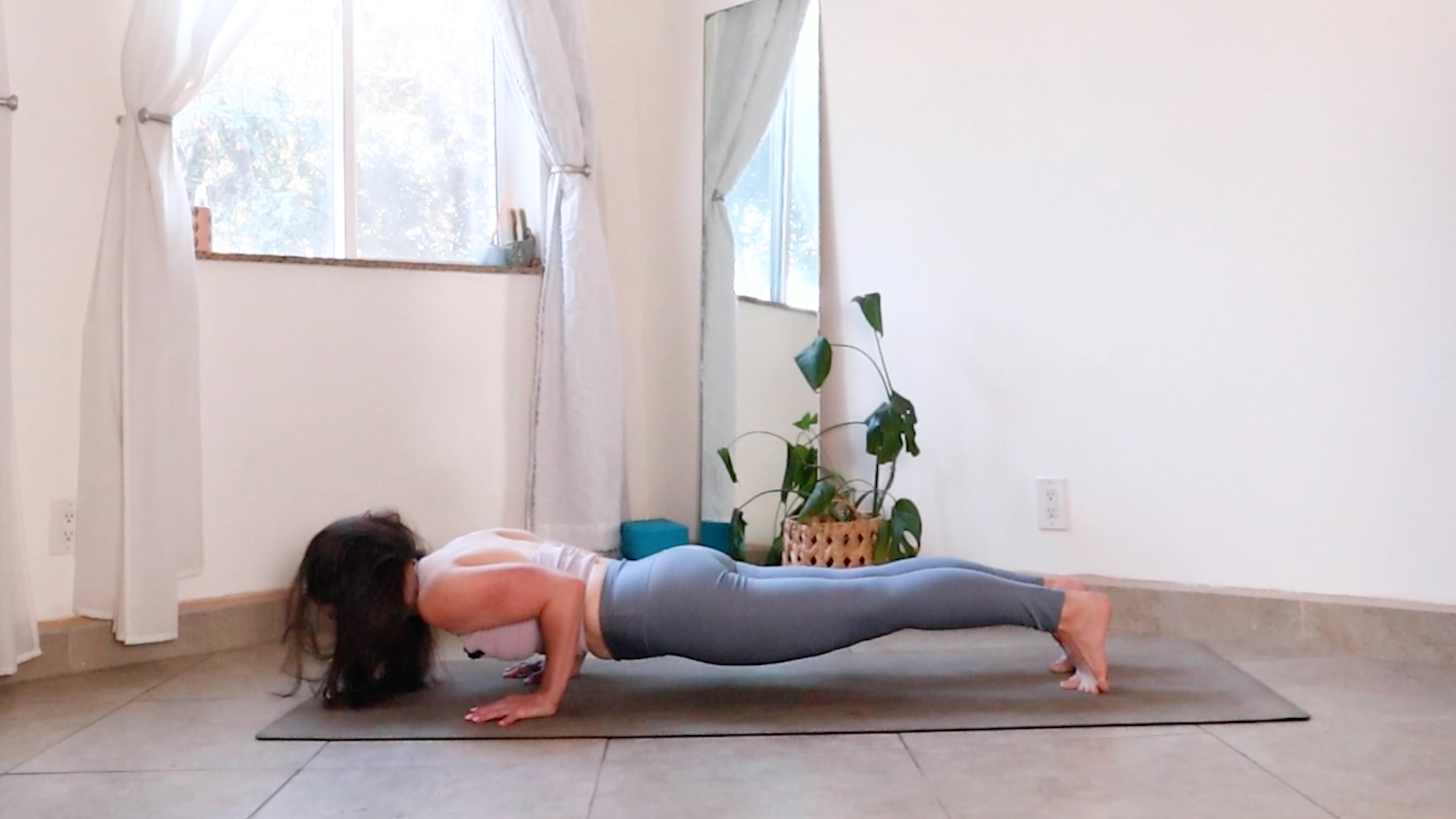
The sequence transitions to the floor, focusing on posterior chain strength. Through a series of Chaturanga descents, the practitioner moves through:
- Baby Cobra: Focusing on heart-opening and spine elongation without the use of hands.
- Locust Pose: Engaging the glutes and core to lift the limbs, providing a metabolic boost.
- Bow Pose Variation: A unilateral engagement that promotes spinal flexibility and balance.
Phase 6: Standing Integration
The final portion of the practice brings the body to a standing position via a Standing Forward Bend. By hanging the upper body, the practitioner releases tension in the neck and shoulders. The sequence concludes with three Half-Sun Salutations, transitioning into a final Mountain Pose (Tadasana) where the practitioner is encouraged to set a personal mantra for the day.
Supporting Data: Why Movement Matters
The efficacy of this 15-minute routine is supported by an increasing body of psychological research. Data from the Journal of Applied Psychology indicates that individuals who engage in intentional, low-impact morning movement report a 22% higher sense of "self-efficacy"—the belief in one’s ability to execute tasks—throughout the remainder of the work day.
Furthermore, the "scribbly" approach to stretching, which emphasizes non-linear movement, has been shown to reduce cortisol levels more effectively than static stretching. By allowing the body to move in whatever way "feels best," the practitioner avoids the "all-or-nothing" mentality that often leads to exercise burnout.
Official Perspectives on Somatic Practices
Experts in the field of movement therapy note that the modern desk-bound lifestyle has left the population with "kinetic amnesia," where muscles remain tight and under-utilized.
"The beauty of Daria LeGrand’s approach is its accessibility," says Dr. Julian Vance, a sports physiologist. "By focusing on the ‘why’ and the ‘how’ rather than the ‘how well,’ she lowers the barrier to entry. Most people fail at morning routines because they are too complex or demanding. A 15-minute sequence that mimics natural, fluid movement is not just a workout; it’s a neurological reset button."
Implications for Daily Productivity
The implications of adopting such a routine extend far beyond the yoga mat. The intentionality required to perform these movements serves as a "cognitive anchor."
- Enhanced Focus: By moving the body through multiple planes of motion, the brain is forced to integrate sensory information, which clears mental clutter.
- Emotional Regulation: The "scribbly" nature of the flow allows for the expression of subconscious frustration, which might otherwise manifest as irritability during the workday.
- Creative Priming: As the body becomes more comfortable and fluid, the mind follows suit. This state of "flow" is a well-documented precursor to creative problem-solving and divergent thinking.
In an era where "hustle culture" often demands immediate output upon waking, LeGrand’s sequence suggests that the most productive path forward is to first move inward. By dedicating just 15 minutes to this intuitive practice, individuals can transform their morning from a frantic rush into a deliberate, creative launchpad.
As you step off your mat, the final instruction is simple: carry the mantra you set into the world. By honoring the body’s need for movement, you aren’t just starting your day—you are designing it.