






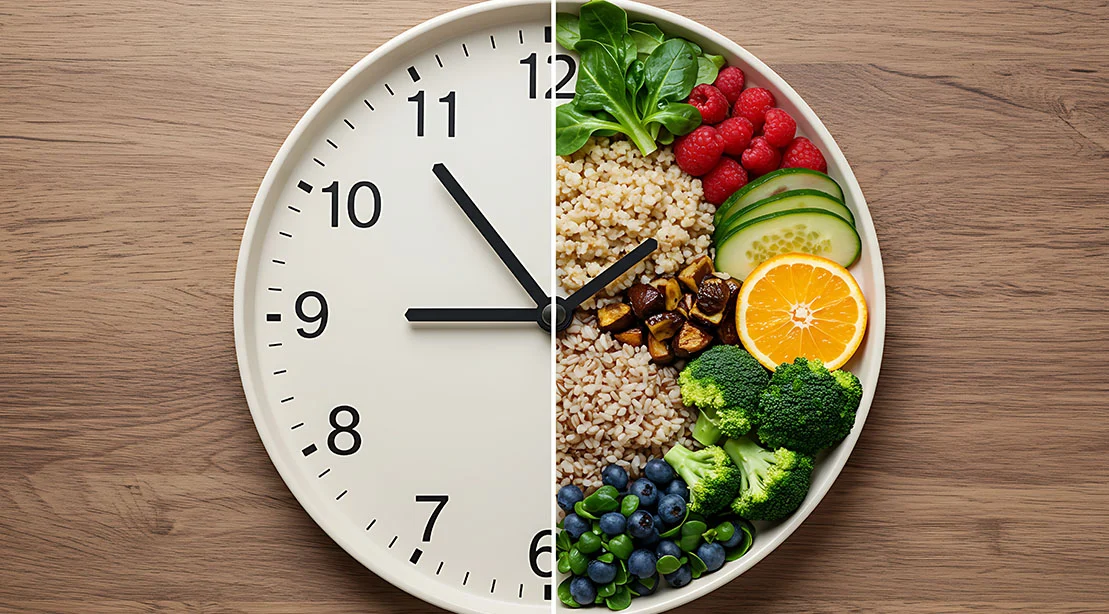
For decades, the global discourse surrounding weight loss has been dominated by the simplistic "calories in, calories out" paradigm. While energy restriction remains a fundamental pillar of shedding unwanted body fat, emerging scientific research is painting a far more sophisticated picture. Intermittent fasting (IF)—a dietary strategy long championed for its metabolic benefits—is now being revealed as a powerful tool for cognitive and biological reconfiguration. Recent studies suggest that timed energy restriction does not merely torch fat; it actively remodels the gut microbiome and reshapes the neural pathways responsible for appetite, emotion, and self-control.
As the world grapples with an obesity epidemic affecting over one billion people, these groundbreaking findings offer a potential paradigm shift in how we approach weight management, moving away from sheer willpower toward a biological recalibration of the body’s internal systems.
The Microbiome-Brain Connection: A Two-Way Street
The foundation of this new understanding lies in the "gut-brain axis," a complex, bidirectional communication network that links the enteric nervous system in our digestive tract with the central nervous system in our brain.
"The gut microbiome is thought to communicate with the brain in a complex, two-directional way," explains Dr. Xiaoning Wang from the Institute of Geriatrics of the PLA General Hospital, a lead coauthor of a pioneering 2023 study published in Frontiers in Cellular and Infection Microbiology. "The microbiome produces neurotransmitters and neurotoxins, which access the brain through nerves and the blood circulation. In return, the brain controls eating behavior, while nutrients from our diet change the composition of the gut microbiome."
This realization is transformative. It suggests that our cravings, our moods, and our susceptibility to dietary impulses are not purely matters of psychological weakness, but are heavily influenced by the biological ecosystem residing within our intestines. When the gut environment is imbalanced—a condition known as dysbiosis—it can alter eating behaviors by interacting with brain regions associated with addiction and reward, effectively trapping individuals in a cycle of overconsumption.
Chronology of Discovery: From Observation to Neural Mapping
The scientific journey toward understanding this phenomenon has been rapid and rigorous.
2023: The Landmark Study
The breakthrough began with a clinical trial involving a small but significant group of participants. Over a 32-day period, subjects underwent a structured fasting protocol. The regimen involved a gradual restriction of calorie intake until subjects reached 25% of their baseline energy requirements. This was followed by a 30-day phase of strict calorie limitation—500 calories per day for women and 600 calories for men.
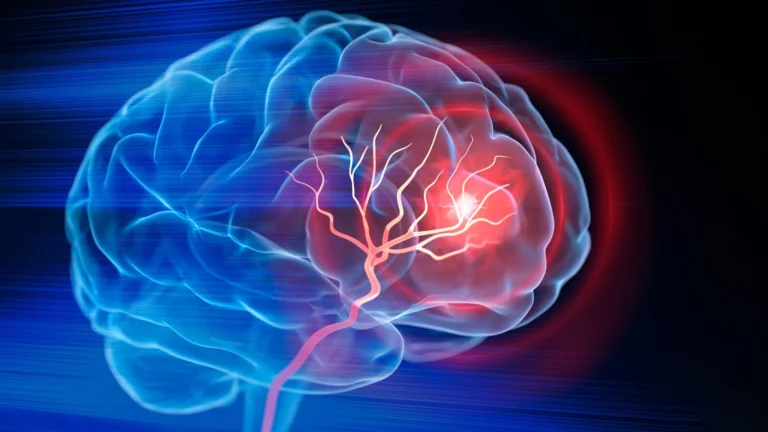
The physical outcomes were striking: participants lost an average of 7.8% of their original body weight. However, the data captured beyond the scale was even more compelling. Subjects showed significant improvements in blood pressure, cholesterol profiles, and liver enzyme levels. Most importantly, magnetic resonance imaging (MRI) revealed that the brain regions associated with appetite, emotion, and reward-seeking had undergone measurable functional changes.
2024: Validation and Expansion
The 2023 study sparked a wave of follow-up research. A 2024 project expanded upon these findings, specifically investigating the synergy between fasting and "protein pacing." This research confirmed that the benefits of intermittent fasting extended to the diversification of gut bacteria. It provided evidence that positive shifts in microbial populations—specifically those linked to metabolic health—were directly correlated with the participants’ improved ability to regulate caloric intake, suggesting that the diet was essentially "reprogramming" the body’s hunger response.
Supporting Data: Rewiring the Neural Architecture
The implications of these studies are profound, particularly regarding the neural architecture of hunger. The human brain is hardwired to seek out calorie-dense foods, an evolutionary survival mechanism that has become a liability in our current food-abundant environment.
Research has shown that certain gut bacteria, such as Flavonifractor plautii, are associated with higher levels of cognitive performance, including improved attention, emotional regulation, and learning capacity. By shifting the gut environment through intermittent fasting, researchers believe they are fostering a microbial landscape that supports better impulse control.
Key Physiological Improvements Observed in Trials:
- Weight Loss: Significant reductions in total body fat and waist circumference.
- Metabolic Markers: Improved insulin sensitivity, lowered blood pressure, and better liver health.
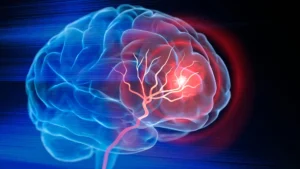
- Brain Plasticity: Functional changes in the hypothalamus and orbitofrontal cortex, areas of the brain heavily involved in decision-making and reward processing.
Dr. Yongli Li, a coauthor of the 2023 study, emphasizes the necessity of this balance: "A healthy, balanced gut microbiome is critical for energy homeostasis and maintaining normal weight. In contrast, an abnormal gut microbiome can change our eating behavior by affecting certain brain areas involved in addiction."
Official Perspectives: The Path Forward
The medical community is increasingly viewing these results as a validation of the "gut-centric" approach to obesity treatment. By focusing on the microbiome, researchers are moving toward a future where weight management strategies are personalized based on an individual’s gut health profile.
However, caution remains the watchword. While the results are promising, experts stress that the "precise mechanism" by which the gut and brain communicate during active weight loss is still under intense investigation. Dr. Liming Wang, a key researcher in this field, has outlined the critical questions that remain: "The next question to be answered is the precise mechanism by which the gut microbiome and the brain communicate in obese people, including during weight loss. What specific gut microbiome and brain regions are critical for successful weight loss and maintaining a healthy weight?"
Implications for Global Health
The implications of this research for the global population are massive. With one billion people currently living with obesity, the search for sustainable, non-pharmacological interventions is a top priority.
1. Moving Beyond Willpower
The most significant implication is the shift in narrative. Obesity has long been stigmatized as a failure of character. If, however, the inability to resist cravings is linked to a dysregulated gut-brain axis, then intermittent fasting acts as a biological "reset button" rather than a test of discipline. By changing the gut bacteria, one may naturally lower the "noise" of cravings, making healthy eating choices feel less like a struggle and more like a physiological preference.
2. Personalized Nutrition
This research opens the door to a new era of personalized nutrition. If we can map which bacterial strains promote self-control and weight loss, we may eventually be able to pair intermittent fasting protocols with specific prebiotics or probiotics to accelerate the desired neural and metabolic changes.
3. Sustainability
Standard diets often fail because the body fights back against caloric restriction by increasing hunger hormones like ghrelin. The evidence suggests that intermittent fasting may bypass this hurdle by creating a long-term shift in the gut-brain axis, potentially offering a more sustainable way to maintain weight loss compared to traditional continuous calorie restriction.
Conclusion: An Emerging Science
As we stand at the intersection of neuroscience and microbiology, the study of intermittent fasting has evolved from a simple weight-loss trend into a rigorous field of metabolic research. While the work is ongoing, the evidence is clear: the path to a healthier body begins with a healthier gut. By fostering a diverse and balanced microbiome, we may be doing more than just losing fat; we may be fundamentally altering how our brains interact with the world of food.
As Dr. Liming Wang and his colleagues continue to decipher the specific mechanisms at play, the goal remains clear: to develop optimized protocols that combine the best aspects of fasting, protein intake, and calorie consumption to provide a scientifically backed solution to the global obesity crisis. The future of weight management is not just about counting calories—it is about cultivating the biological intelligence of the body.