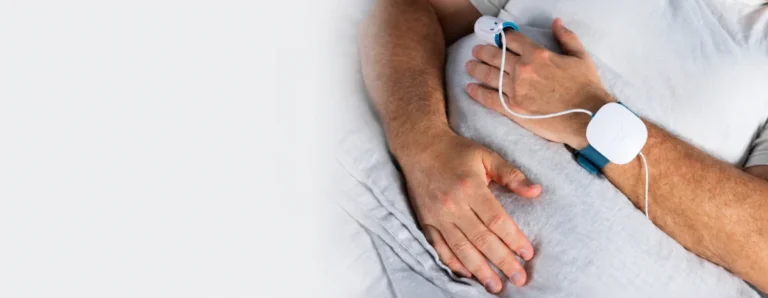











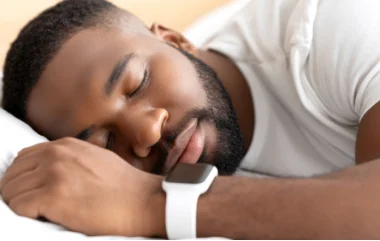
In the modern age of digital health, the quest for a perfect night’s sleep has moved from the bedside lamp to the glowing screen. From sophisticated smartwatches that measure blood oxygen levels to smartphone apps that analyze the rhythmic cadence of our breathing, technology has democratized access to biometric data once reserved for clinical sleep labs. However, as nearly half of the American population adopts these tools, a complex paradox has emerged: while we are more informed about our sleep than ever before, the pressure to achieve "perfect" data is fueling a new epidemic of sleep-related anxiety.
The Main Facts: The Rise of the Digital Sleep Coach
According to a 2025 survey conducted by the American Academy of Sleep Medicine (AASM), 48% of U.S. adults have incorporated sleep-tracking devices into their nightly routines. This data confirms that sleep is no longer viewed merely as a biological necessity, but as an essential pillar of health, sitting comfortably alongside nutrition and physical fitness in the public consciousness.
The primary appeal of these devices lies in their ability to provide actionable insights. By tracking sleep stages—REM, light, and deep sleep—users feel empowered to curate their environments. The data suggests that for many, these devices serve as a digital "nudge," helping users visualize the correlation between their late-night habits and their next-day fatigue. Whether it is a nudge to put the phone away an hour earlier or a reminder to cool down the bedroom, the technology is undeniably changing behavior.
Chronology: From Clinical Tools to Lifestyle Accessories
The integration of sleep tracking into daily life did not happen overnight. The trajectory of this trend can be viewed in three distinct phases:
- The Clinical Phase: Initially, actigraphy and polysomnography were confined to accredited sleep centers. Patients with suspected apnea or narcolepsy were hooked up to arrays of sensors, and the resulting data was strictly interpreted by medical professionals to diagnose pathologies.
- The Quantified Self Movement: In the early 2010s, early adopters began using simple pedometers and rudimentary apps to track their rest. This era was defined by curiosity—people simply wanted to know "how much" they slept, rather than the intricate quality of that sleep.
- The "Sleepmaxxing" Era: Today, we are in the age of "sleepmaxxing"—a cultural phenomenon where individuals treat sleep as a performance metric. Influenced by biohacking communities and aggressive marketing of sleep-tech, consumers are now attempting to optimize their sleep architecture, often obsessing over "sleep scores" and "readiness indices" provided by their wearable tech.
Supporting Data: Gender Trends and Spending Habits
The AASM survey highlights significant demographic disparities in how these tools are utilized. Men are statistically more likely to engage with sleep-tracking technology, with 56% of male respondents using such devices compared to 40% of women. Furthermore, men are significantly more likely to adjust their behavior based on the metrics they receive and are notably more inclined to invest in high-end consumer sleep products—ranging from smart pillows to specialized lighting systems.
The behavioral impact is substantial: 55% of all users report that the data has led them to make tangible lifestyle changes. These changes, such as stabilizing wake-up times or adjusting caffeine intake, represent the positive utility of the technology. However, the data also reveals the flip side of this trend: a pervasive sense of apprehension. An overwhelming 76% of adults report that they have lost sleep specifically because they were worried about their sleep problems—a condition often exacerbated by the very tools meant to solve them.
The Rise of Orthosomnia: When Perfection Becomes the Enemy
Perhaps the most significant clinical implication of the sleep-tracking boom is the emergence of "orthosomnia"—a term derived from the Greek ortho (correct) and somnia (sleep). Unlike insomnia, which is the inability to sleep, orthosomnia is a fixation on achieving "perfect" sleep data.
When a user sees a "low" score on their app, it can trigger a stress response. This stress, characterized by an elevated heart rate and hyperarousal, makes it physiologically harder to drift off. The irony is profound: in the pursuit of sleep optimization, the user creates an environment of performance anxiety. The focus shifts from the biological act of resting to the technical act of "winning" the data, leading to a vicious cycle where the fear of a bad night’s sleep becomes the very catalyst for it.
Official Responses and Clinical Implications
Medical experts are increasingly concerned about the reliance on consumer-grade data to drive health decisions. While wearable devices provide useful longitudinal data, they are not diagnostic tools.
"Sleep trackers can be a double-edged sword," says Dr. Sarah Jenkins, a specialist at an AASM-accredited sleep center. "They are excellent for identifying long-term trends—such as the fact that you consistently sleep poorly on nights you consume alcohol. However, they lack the clinical precision to diagnose sleep disorders. Relying on an algorithm to tell you if you are ‘well-rested’ can lead to a disconnection between what your body feels and what your screen says."
The AASM emphasizes that if a patient is experiencing chronic fatigue, persistent difficulty falling asleep, or recurring nighttime awakenings, the data from a smartwatch should be a starting point for a conversation with a professional, not a substitute for one.
Balancing the Ledger: How to Use Technology Safely
To prevent sleep tracking from becoming a source of stress, experts suggest the following strategies:
- View Data as Trends, Not Truth: Do not obsess over the nightly "score." Look at your sleep metrics over a weekly or monthly basis to identify patterns rather than judging your performance on a single night.
- Establish a "No-Screen" Buffer: If your tracker requires your phone, ensure you are not checking the app within an hour of bedtime. The blue light and the act of checking stats are counterproductive to sleep hygiene.
- Listen to the Body First: If your app says you slept poorly but you feel energized, trust your body. Conversely, if your app says you slept well but you feel exhausted, it may be time to consult a physician.
- Prioritize Core Habits: No amount of data can replace the fundamentals: a cool, dark, quiet room; a consistent schedule; and a pre-sleep wind-down routine that avoids stimulants.
The Path Forward
The future of sleep technology lies in shifting the focus from "optimization" to "support." As manufacturers refine their algorithms, there is a growing movement toward features that provide "passive" insights—alerts that suggest changes without creating a gamified, high-pressure environment.
Ultimately, sleep is a biological process that has evolved over millions of years; it is not a software update. The most effective sleep trackers will be those that eventually help the user become more in tune with their internal biological clock, rather than those that tether them to an external digital metric.
If you find that your relationship with your tracker has become fraught with anxiety, it may be time to engage in a "digital detox" for your sleep. By returning to the basics of sleep hygiene and relying on your own internal cues, you can reclaim your rest from the tyranny of the data. If the struggle continues, remember that professional help is available. Accredited sleep centers provide the expertise needed to navigate complex sleep disorders, ensuring that you can find rest not through the lens of a device, but through the restoration of your health.
In conclusion, while the data-driven approach to health is a milestone in our technological evolution, it is critical to remember that the goal of sleep is not to hit a high score—it is to wake up feeling ready to live. As we navigate this new era, let us use our devices as tools of awareness rather than instruments of judgment, ensuring that our quest for better sleep does not keep us awake at night.