










It began with a simple, seemingly innocuous remark from a friend. Anna, a sharp, high-level attorney known for her razor-sharp skepticism and ability to cut through corporate jargon, held up a new set of BPA-free food storage containers. "I just bought these," she said, visibly satisfied. "I’m hoping this is the missing piece for my health."
To the casual observer, this is just a routine purchase. But to those who know Anna, it was a glaring red flag. Anna had been vocal about her frustration regarding a 15-pound weight loss plateau that had stalled for months. Yet, despite her intellectual rigor, she was falling into a common psychological trap: substituting "micro-optimizations" for foundational habit change. While she obsessed over the chemical composition of her Tupperware, she admitted to skipping the gym, relying on processed takeout, and sacrificing hours of restorative sleep for late-night doom-scrolling.
When challenged on why she wasn’t focusing on consistency in the gym or meal prep, her response was dismissive: "I’ve tried that a thousand times. If it were that simple, it would have worked already."
Anna’s struggle is not unique. It is a symptom of a modern epidemic—the "Productivity Paradox"—where we prioritize the illusion of progress over the grueling, unsexy, but effective labor of consistent behavior.
The Anatomy of Avoidance: Why We Choose the Niche Over the Essential
The human brain is an expert at self-deception. We crave the feeling of "doing something" without necessarily doing the right thing. Research into behavioral psychology suggests that purchasing new gear, subscribing to wellness apps, or reading "hacks" about the latest superfood supplement provides an immediate hit of dopamine. It feels like we are making progress.
This behavior is a defense mechanism. By focusing on niche, low-stakes variables—like the brand of our water bottle or the specific timing of a supplement—we avoid the daunting reality of fundamental change. We treat these "magic bullets" as talismans, hoping they will do the heavy lifting for us.
However, the laws of biology are stubborn. They do not care about the brand of your container; they care about energy balance, sleep hygiene, and physical activity. When we avoid these pillars, we aren’t just stalling; we are actively choosing a path of least resistance that guarantees failure, all while convincing ourselves we are being "proactive."
The Foundation: The Non-Negotiables of Health
While the health and fitness industry is saturated with "industry secrets" and cutting-edge bio-hacking trends, the core of physical well-being remains remarkably static. Data consistently shows that health is built on five pillars that, when combined, yield transformative results.
The Five Pillars of Vitality
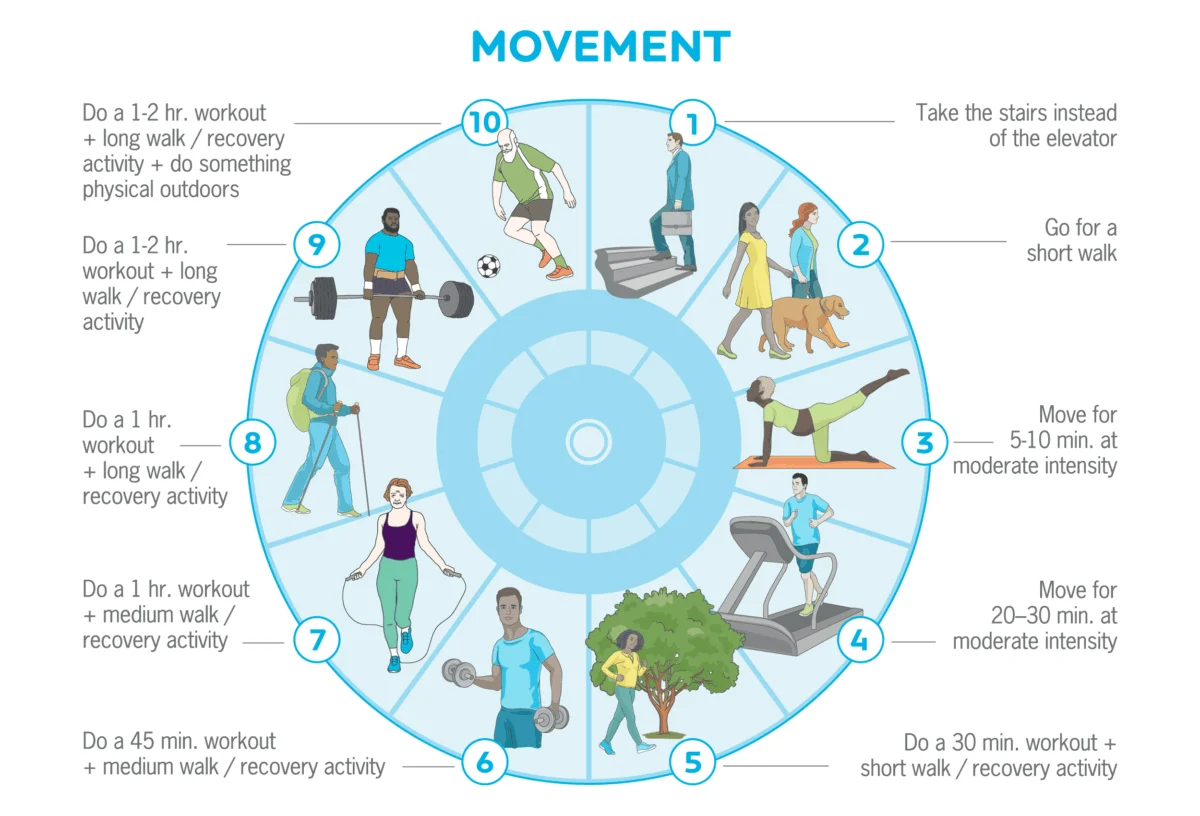
- Consistent Movement: Aiming for 30 minutes of moderate-to-vigorous activity daily, blending cardiovascular conditioning with resistance training.
- Nutritional Foundation: Focusing on minimally processed, whole foods. Perfection is not the goal; consistency is. If 80% of your intake is nutrient-dense, you are ahead of the curve.
- Protein Prioritization: Consuming adequate protein (roughly 1.2 to 2.2 grams per kilogram of body weight) to preserve lean muscle mass and regulate hunger.
- Sleep Hygiene: Protecting seven to eight hours of quality sleep. This is often the first thing sacrificed, yet it is the most vital for recovery and metabolic health.
- Substance Moderation: Limiting alcohol, nicotine, and processed additives.
The sobering reality, according to recent health data, is that fewer than 6% of the American population consistently adheres to these five behaviors. This means 94% of us are looking for a shortcut because we haven’t yet committed to the foundation.
Understanding Ambivalence: Why Change Feels Like a War
It is vital to recognize that the hesitation to change isn’t a character flaw; it is a psychological phenomenon known as ambivalence. We want the result—the weight loss, the energy, the longevity—but we simultaneously crave the comfort of our current habits.
This push-and-pull is not a sign that the goal is wrong. In fact, it is quite the opposite. Strong feelings of resistance often signal that the proposed change is deeply meaningful. When we feel that internal tug-of-war, we are acknowledging that we care enough to be nervous. Recognizing this as a normal part of the process, rather than a failure of willpower, is the first step toward genuine progress.
Overcoming the Three Great Barriers
For those ready to move past the "Tupperware stage" of life, there are three primary barriers that must be dismantled.

1. The Trap of Ambition Overload
We often declare a "Monday reset" where we promise to overhaul every aspect of our lives simultaneously. We commit to daily gym sessions, perfect meal prep, and early bedtimes. This is a setup for catastrophe. We underestimate how much energy, time, and cognitive bandwidth these changes actually require. When the inevitable burnout hits, we blame our lack of discipline rather than the flawed, overly ambitious strategy.
2. The "Hardcore or Nothing" Fallacy
There is a pervasive, damaging belief that if a habit is simple—like walking or eating more vegetables—it must be ineffective. We equate "difficulty" with "efficacy." If it isn’t miserable or complex, we assume it won’t work. This leads us to seek out complicated, unsustainable regimes that drain our resources and keep us from the consistent, boring, and highly effective basics.
3. The Illusion of Perfection
The fitness industry thrives on the myth of the "perfect" human—the one who eats nothing but organic greens, never skips a workout, and meditates for an hour at dawn. This is an unattainable, manufactured standard. Real life is messy. It involves stress, work, kids, holidays, and exhaustion. To achieve our "best" self, we must account for our "worst" self. We need a system that survives when we have a bad day, not a system that collapses the moment things aren’t perfect.
A Four-Step Framework for Sustainable Action
If you are ready to stop optimizing the trivial and start mastering the essential, follow these four steps.
Step 1: Explore the "Why"
Before you change your actions, you must understand your motives. Utilize the "5 Whys" technique: ask yourself why you want to change, and then ask "why" four more times in response to each answer. Digging to the emotional root provides the fuel needed when motivation wanes.
Step 2: Prioritize, Don’t Maximize
You can do everything, but you cannot do everything at once. Identify your primary domain—be it nutrition, recovery, or movement—and select one, singular habit to improve. Use a "Skills, Practices, and Daily Actions" checklist to ensure you are picking something that moves the needle on your specific goal.
Step 3: Establish a "Floor" and a "Ceiling"
Stop viewing health as an "on/off" switch. Instead, view it as a dial.
- The Floor: What is the absolute minimum you can do on your worst day? (e.g., 5 minutes of walking).
- The Ceiling: What is your best-case scenario on a good day? (e.g., a 60-minute intense workout).
By maintaining a range, you ensure that even on your most difficult days, you are still moving forward. Doing the "floor" is not failing; it is success under pressure.
Step 4: Build an Ecosystem
Motivation is a finite resource; environment is a constant. As recent studies in Nature Reviews Psychology have highlighted, accessibility is the primary driver of behavior. If you want to eat better, make healthy food the easiest thing to reach. If you want to exercise, set out your clothes the night before. Design your world so that the desired behavior is the path of least resistance.
Conclusion: Embrace the C+ Effort
Perfectionists often struggle with the idea of a "C+ effort," fearing it implies a lack of ambition. In reality, a consistent "C+ effort" is lightyears ahead of an inconsistent "A+ effort."
By letting go of the need to find the "magic bullet"—the new supplement, the fancy gadget, the perfect morning routine—we open ourselves up to the profound power of showing up for the basics. Life will always be unpredictable. There will always be obstacles, distractions, and seasons of chaos. The key to long-term health is not to grit your teeth and force yourself to be perfect, but to build a life where being healthy is a sustainable, adaptable, and achievable part of your day-to-day existence.
Stop looking for the missing piece. You already have it. It’s not in the new container; it’s in the quiet, unglamorous, and consistent work you do when no one is watching.