BÜRGENSTOCK, Switzerland — The serene backdrop of the Swiss Alps provided a sharp contrast to the high-stakes geopolitical drama that unfolded this week as high-level delegations from the United States and Iran concluded an initial round of direct negotiations. The marathon sessions, held at the remote Bürgenstock mountain resort, yielded a cautiously optimistic framework for a 60-day path toward a comprehensive settlement. Yet, as the ink dries on this preliminary roadmap, the specter of regional conflict—specifically in Lebanon and the volatile Strait of Hormuz—continues to cast a long, dark shadow over the proceedings.
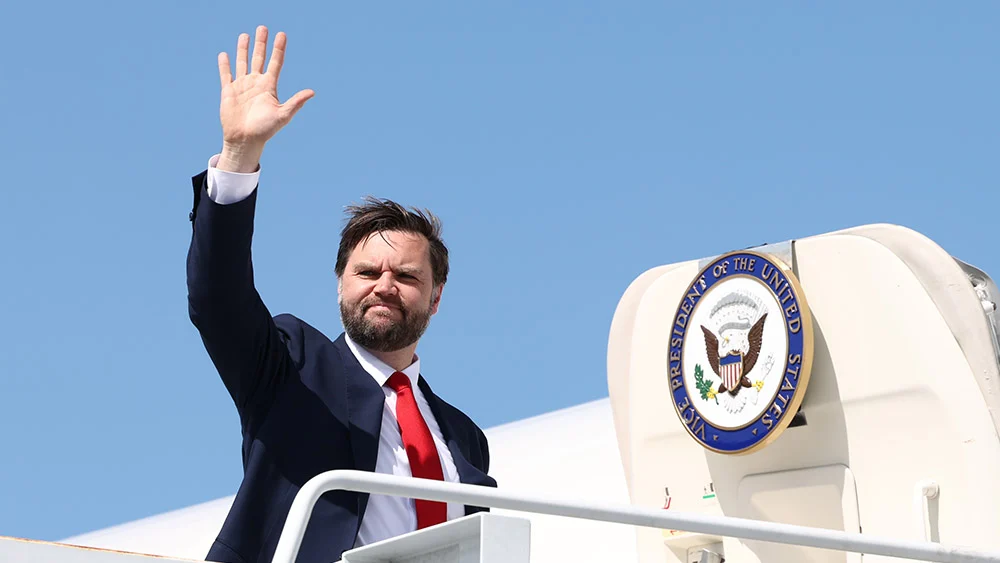
The talks marked a historic, albeit precarious, shift in Washington-Tehran relations. Facilitated by Qatari and Pakistani mediators, the discussions brought together a U.S. team led by Vice President J.D. Vance, supported by envoys Steve Witkoff and Jared Kushner, and an Iranian delegation headed by Foreign Minister Abbas Araghchi and Parliament Speaker Mohammad Ghalibaf.
The Roadmap: A 60-Day Window for Stability
Following a weekend of intense deliberation that stretched into the early hours of Monday, both parties emerged without a formal joint communiqué, but with a substantive "roadmap" intended to de-escalate tensions. Mediators confirmed that the framework establishes a 60-day window for intensive working-group sessions. These groups are tasked with tackling four critical pillars: nuclear non-proliferation, sanctions relief, implementation verification, and a robust dispute-resolution mechanism.
"We have laid a very good foundation for a successful final deal," Vice President Vance stated in a brief press conference following the conclusion of the talks. While the rhetoric from the U.S. side emphasizes progress, the Iranian delegation has remained more measured, focusing on the immediate practicalities of economic relief.
Financial Relief and the "Corn-for-Cash" Mechanism
A centerpiece of the interim agreement involves the partial unfreezing of Iranian assets and a 60-day waiver on U.S. sanctions regarding oil and petrochemical exports. The U.S. Treasury’s decision to allow these transactions provides a vital lifeline to Iran’s struggling economy.
However, the mechanism for managing these funds has already become a point of contention. The Trump administration, through the architecture designed by Jared Kushner, has proposed that the released funds be held in escrow by the U.S. and Qatar. Under this plan, the capital would be strictly earmarked for the purchase of American agricultural exports—specifically corn, soy, and wheat.
"The money that we lift is going to go to our farmers," former President Trump remarked, highlighting the domestic political utility of the arrangement. Yet, this vision of "tied aid" was immediately challenged by Tehran. Abdolnaser Hemmati, Governor of the Central Bank of Iran, told the Tasnim news agency that no such binding obligation exists, signaling that Iran intends to utilize at least a portion of the $12 billion in unfrozen assets for broader, non-sanctioned economic needs. This disconnect between Washington’s narrative and Tehran’s reality suggests that the "implementation" phase will be fraught with technical disputes.
The Volatile Shadow of the Strait of Hormuz
Perhaps the most tangible success of the Switzerland summit was the establishment of a direct communication line between U.S. and Iranian naval commands. This "de-confliction" channel is intended to prevent accidental skirmishes in the Strait of Hormuz, a global energy chokepoint.
The necessity for such a channel was underscored by the erratic nature of the diplomacy surrounding the summit. The negotiations nearly collapsed before they began following aggressive rhetoric from Washington. In a series of statements to Fox News, Donald Trump suggested that the U.S. was prepared to "take over" the Strait and threatened that Iranian officials "won’t even make it back" to Tehran if they failed to reach an agreement. These sentiments were echoed by Senator Lindsey Graham, who suggested the U.S. was prepared to "obliterate" Iranian naval capabilities if the waterway were challenged.
The response from Tehran was swift and defiant. Speaker Ghalibaf dismissed the rhetoric as "desperation," warning that Iran’s armed forces were prepared to respond in kind. According to sources within CNN, the diplomatic process hit a total standstill during these threats, requiring intensive back-channel diplomacy by Qatari mediators to coax the Iranian delegation back to the table.
The Lebanon Impasse: A War Without a Partner
While the U.S. and Iran have engaged in direct dialogue, the conflict in Lebanon remains the most volatile variable in the equation. Despite the interim peace framework calling for an end to all hostilities, Israel—a key U.S. ally—remains conspicuously absent from the negotiating table.
Israeli Prime Minister Benjamin Netanyahu has maintained a hardline stance, declaring that Israeli forces will remain in southern Lebanon "for as long as it takes." Netanyahu has further clarified that Israel will not be bound by any diplomatic developments, vowing to prevent Iran from acquiring nuclear weapons regardless of the agreements reached in Switzerland. Conversely, Hezbollah leader Naim Qassem has vowed continued resistance, stating that Israel’s presence in Lebanon is unsustainable.
Despite this uncompromising rhetoric, the ground reality has shifted. Reports from the city of Nabatieh, a focal point of recent bombardment, suggest a relative lull in fighting—a development that hospital director Hassan Wazni described as the "longest a ceasefire has held" since the current conflict ignited in March. Whether this pause is a precursor to a wider regional de-escalation or merely a tactical regrouping remains to be seen.
Economic and Strategic Implications
The domestic cost of the conflict has been staggering. A preliminary analysis by the Center for Strategic and International Studies (CSIS) estimates that the U.S. Department of Defense has already incurred $40 billion in expenses related to the standoff. For the average American household, the conflict has translated into a $250 increase in energy costs, a burden that is exacerbating inflationary pressures that have been compounding for the last three years.
The strategic stakes are equally high. Washington is balancing the need to project strength with the economic imperative of stabilizing global energy markets, while Tehran is grappling with the domestic fallout of prolonged sanctions.
Chronology of Events
- March 2026: Israel initiates military operations in Southern Lebanon following cross-border fire from Hezbollah, sparking regional instability.
- June 20, 2026: Escalating tensions regarding the Strait of Hormuz lead to a series of threats from U.S. leadership, briefly stalling potential diplomatic outreach.
- June 21, 2026: Back-channel negotiations, led by Qatari and Pakistani mediators, succeed in bringing U.S. and Iranian delegations to Bürgenstock.
- June 22, 2026: Direct talks commence. Negotiations are marked by friction but ultimately lead to the drafting of a 60-day framework.
- June 23, 2026: Conclusion of the first round. A roadmap for nuclear, sanctions, and dispute-resolution working groups is established. A naval communication line is finalized.
- June 24, 2026 and beyond: Technical teams remain in Switzerland to refine the details of the working groups.
Looking Ahead: The Challenges of Implementation
As technical teams continue their work in Switzerland, the true test of this agreement lies in the coming weeks. The skepticism expressed by the Iranian Central Bank regarding the use of unfrozen funds, combined with Israel’s stated refusal to coordinate with the emerging roadmap, suggests that the path to a lasting peace is littered with obstacles.
The success of these negotiations will ultimately depend on whether the participants can transcend the "threat-based" diplomacy that nearly sabotaged the opening round. For now, the world watches as the 60-day clock ticks down, with the stability of the Middle East and the cost of living for millions of citizens hanging in the balance. The progress made in Switzerland is undeniable, but whether it represents a genuine turning point or merely a fleeting reprieve from inevitable conflict remains the central question of the season.