In a move that underscores the strict regulatory oversight governing medical devices for vulnerable populations, the U.S. Food and Drug Administration (FDA) issued a formal warning letter to Happiest Baby, Inc. on June 15, 2026. The manufacturer, best known for the SNOO Smart Sleeper—a popular automated bassinet designed to soothe infants—has been cited for a series of compliance failures ranging from the distribution of unauthorized product modifications to systemic deficiencies in quality control and mandatory safety reporting.
The warning letter marks a significant escalation in the regulatory scrutiny of infant-focused health technology. As the FDA pushes to ensure that devices marketed for newborns meet rigorous safety standards, the agency’s findings suggest that Happiest Baby, Inc. may have overstepped its initial authorization by introducing new sizes and clinical applications without the requisite regulatory clearance.
The Core Violations: Unauthorized Product Modifications
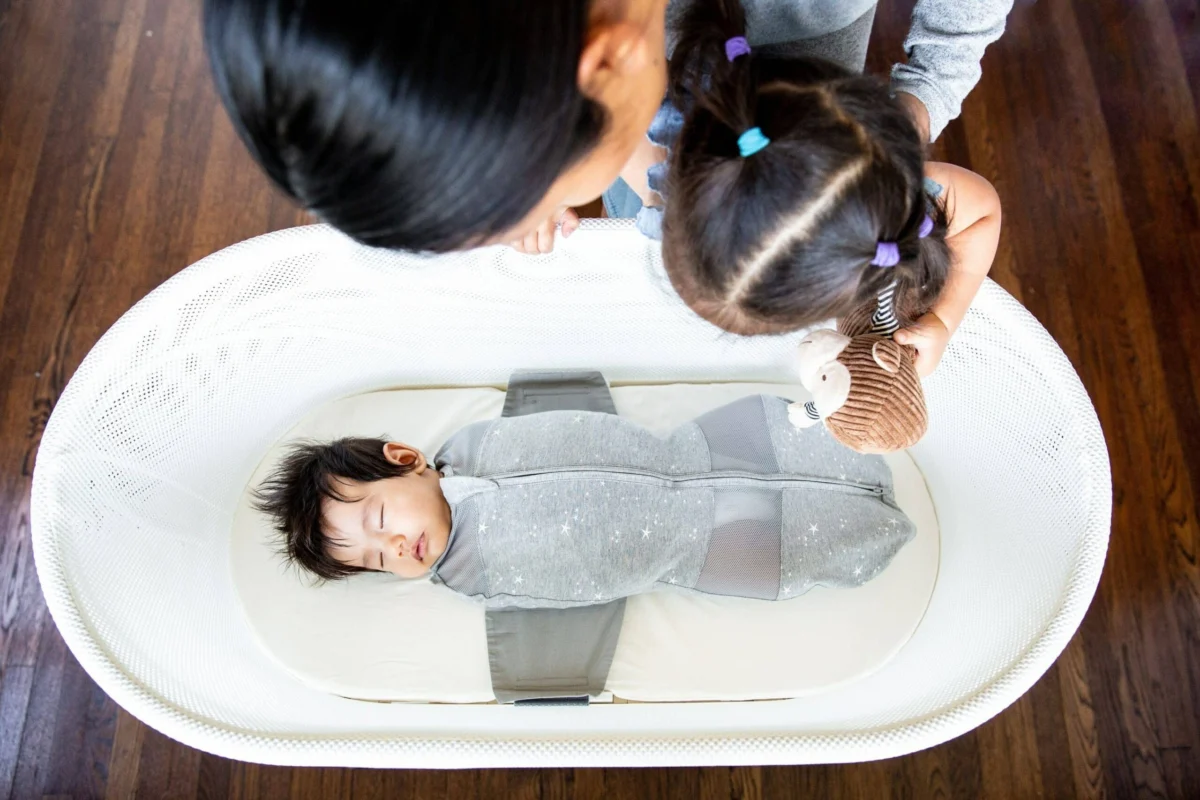
The primary focus of the FDA’s concern centers on the unauthorized expansion of the SNOO Smart Sleeper’s accessory line. The device was originally granted de novo authorization as a home-use infant sleep system, specifically designed to promote the supine position (sleeping on the back) for infants up to six months of age. That authorization was contingent upon the use of three specific sleep sack sizes: small, medium, and large.
According to the FDA’s inspection, Happiest Baby, Inc. began distributing X-Small (4–8 lbs) and X-Large (23–25 lbs) sleep sacks without filing the necessary 510(k) premarket notification. Under federal law, manufacturers are required to submit a 510(k) if they make changes to a device that could significantly affect its safety or effectiveness.
Risk Profile and Safety Implications
The FDA argues that these dimensional changes are not merely cosmetic; they fundamentally alter the device’s risk profile.
- The X-Small Risk: For infants weighing between 4 and 8 pounds, the agency expressed concern that the smaller sleep sack could lead to over-tightening or improper fit, potentially compressing vital organs or restricting the infant’s diaphragmatic movement, which is critical for healthy breathing.
- The X-Large Risk: For the larger size, the concern is that excess fabric or an improper fit could result in the material “riding up.” If the fabric covers the infant’s mouth or nose, it could lead to respiratory compromise or, in the worst-case scenario, suffocation.
Chronology of Regulatory Oversight
The trajectory of this warning letter reflects a broader trend of increased post-market surveillance by the FDA.
- Original Authorization: The SNOO Smart Sleeper received its initial regulatory clearance based on a specific set of clinical parameters and hardware configurations intended for a home environment.
- Expansion of Operations: Over the past few years, Happiest Baby, Inc. expanded its marketing reach, including the introduction of a "Hospital Bundle" intended for use in clinical settings, such as neonatal intensive care units (NICUs).
- The Inspection Phase: FDA investigators conducted an on-site audit of the company’s manufacturing and quality systems. This investigation uncovered that the firm had been rolling out product modifications without notifying the agency.
- June 15, 2026: The FDA issued the formal warning letter, demanding a written response detailing how the company intends to rectify these violations and ensure future compliance.
The “Hospital Bundle” and Intended Use
Perhaps the most significant regulatory hurdle identified by the FDA is the company’s attempt to transition the SNOO from a home-use product to a clinical-grade medical device. The FDA considers the "SNOO Hospital Bundle" a major change in intended use, which triggers an entirely new set of safety requirements.
The clinical environment introduces variables that the home-use authorization did not account for. Specifically, the FDA noted that:
- Chemical Exposure: Hospital-grade cleaning protocols involve harsh disinfectants and chemicals that may degrade the materials of the SNOO, potentially compromising its structural integrity.
- Mobility Risks: The introduction of a wheeled mobility cart for clinical transport presents new mechanical risks, including potential tipping or rolling, which could be catastrophic in a high-acuity medical setting like a NICU.
By failing to secure clearance for these clinical applications, the company bypassed the rigorous testing required to ensure the device remains safe under hospital conditions.
Quality System and Reporting Deficiencies
Beyond product modifications, the FDA’s warning letter highlights deep-seated failures in the company’s Quality System Regulation (QSR). The agency’s investigators identified a pattern of negligence in how customer complaints were handled.
Aggregation of Complaints
The FDA found that Happiest Baby, Inc. was grouping multiple distinct complaints into single, generic reports. By failing to evaluate each case individually, the company potentially masked underlying trends or systemic manufacturing defects. For example, reports regarding mold growth on mattresses or concerns about sleep sack sizing were bundled together, preventing the quality assurance team from conducting root-cause analyses on individual incidents.
The Refurbishment Scandal
Furthermore, the FDA cited the company for failing to submit required reports after initiating a correction program for refurbished SNOO devices. Investigators discovered that many of these refurbished units were distributed while still stained or soiled.
The FDA’s warning is stark: exposure to contaminated surfaces or residual bodily fluids from previous users carries a significant risk of infection for infants, whose immune systems are still developing. The company’s failure to report these correction actions within the mandated 10-working-day window is considered a major procedural violation.
Official Responses and Next Steps
As of this writing, Happiest Baby, Inc. is under pressure to provide a comprehensive response to the FDA. The agency has requested a detailed plan outlining:
- How the company will halt the distribution of the unauthorized sleep sack sizes.
- The steps it will take to recall or re-label the units currently in the field.
- A systemic overhaul of its complaint-handling process to ensure individual reports are documented and investigated according to federal law.
- A plan to address the "Hospital Bundle" marketing to ensure it is either fully validated for clinical use or discontinued.
The company has historically touted the SNOO as a breakthrough in infant sleep safety. However, the FDA’s letter suggests that the manufacturer’s internal quality management has not kept pace with its commercial growth.
Broader Implications for the Infant Tech Industry
The situation surrounding Happiest Baby, Inc. serves as a cautionary tale for the burgeoning "baby tech" industry. As smart devices for infants become increasingly sophisticated—incorporating sensors, artificial intelligence, and automated hardware—the line between a consumer product and a medical device continues to blur.
The Regulatory “Gray Zone”
Many startups operate in a gray zone, hoping to market their products as wellness devices to avoid the arduous FDA 510(k) or de novo pathways. However, the FDA’s enforcement action against a major player like Happiest Baby sends a clear message: if a device is marketed to monitor, soothe, or otherwise impact the health and safety of an infant, the agency will hold the manufacturer to the highest standard of medical device compliance.
Protecting the Most Vulnerable
The primary implication here is the protection of infants. Because newborns cannot communicate distress or discomfort, the devices surrounding them must be infallible. When a company fails to properly vet new accessories or neglects to report sanitation issues, it erodes the trust that parents place in these products.
Industry analysts expect that this warning letter will lead to:
- Increased Audits: Other manufacturers of infant sleep technology should expect increased scrutiny from the FDA regarding their quality management systems.
- Stricter Labeling Requirements: The FDA will likely demand more explicit labeling regarding the risks of off-label use, particularly for accessories like sleep sacks that are often treated as simple textiles rather than part of a medical system.
- Refinement of Clinical Guidelines: The pushback on the "Hospital Bundle" suggests that the FDA is concerned about the "medicalization" of consumer products. Companies seeking to enter the hospital market must prepare for significantly longer and more expensive regulatory pathways.
Conclusion
The FDA’s warning to Happiest Baby, Inc. is a critical reminder that innovation does not grant immunity from safety regulations. While the SNOO Smart Sleeper has provided many families with relief, the technical and procedural oversights identified by the FDA are serious matters that require immediate remediation.
For the parents currently using these devices, the situation highlights the importance of adhering strictly to the manufacturer’s original instructions and being aware of any recalls or safety notices. For the industry at large, the message is clear: when it comes to the safety of infants, the regulatory bar is not only high but non-negotiable. The coming months will be a test of how effectively Happiest Baby can pivot to align its operations with federal requirements, ensuring that their quest for innovation does not come at the cost of infant health.