By Medical News Desk
June 23, 2026
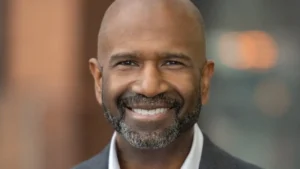
In a chilling indictment that has sent shockwaves through both the medical community and collegiate athletics, federal prosecutors have charged a 53-year-old Texas physician, Dr. Jason Finkelstein, in connection with an $89 million healthcare fraud scheme. The charges center on a sophisticated, multi-year operation that allegedly preyed upon the anxieties of college athletes, subjecting them to medically unnecessary cardiovascular screenings and, in at least one documented instance, leading to a tragic, preventable death.
The Department of Justice (DOJ) announced the charges on Monday, characterizing the case as a centerpiece of a broader, record-breaking national crackdown on healthcare fraud. According to the indictment, Finkelstein, who operated a Florida-based cardiovascular testing practice, prioritized profit over patient safety, effectively turning the medical profession into a vehicle for large-scale financial exploitation.
The Anatomy of the Fraud: A Two-Pronged Deception
The scheme, which reportedly spanned from 2019 through the end of 2025, relied on a two-pronged approach to maximize illicit billing. Prosecutors describe a operation that was as cynical as it was organized, leveraging the fears of student-athletes regarding sudden cardiac arrest—a rare but terrifying prospect that looms over competitive sports.
Deceptive Marketing and Kickbacks
The operation utilized aggressive marketing tactics to gain access to collegiate athletic departments across the country. Finkelstein and his unnamed co-conspirators allegedly contacted athletic trainers at various universities, promising screenings that could identify life-threatening conditions.
To ensure a steady stream of patients, the practice allegedly offered illegal kickbacks and various inducements to school officials. By incentivizing the referral of healthy athletes who had no underlying symptoms or pre-existing conditions, Finkelstein’s organization bypassed the standard medical protocols that typically require a clinical necessity for such testing.
Fabricating Diagnoses for Reimbursement
Because insurance providers do not authorize blanket cardiovascular testing, the group faced a significant hurdle: securing reimbursement. To overcome this, the indictment alleges that Finkelstein systematically submitted fraudulent claims to insurance companies. He reportedly fabricated diagnoses—most commonly citing hypertension or elevated blood pressure—for students who were perfectly healthy. This falsification allowed the practice to bill for services that were entirely medically unnecessary, effectively defrauding private insurers and government programs out of tens of millions of dollars.
Chronology of a Systemic Failure
The timeline of the alleged fraud highlights a period of unfettered growth for Finkelstein’s practice, enabled by his ability to exploit interstate licensing loopholes.
- 2019: The operation commences, utilizing a Florida-based practice as the hub for nationwide outreach.
- 2020–2023: The practice expands its reach across the 48 contiguous states. Finkelstein leverages his medical licenses in multiple jurisdictions to perform remote certifications for tests conducted by unqualified personnel.
- 2024: A critical failure occurs. An athlete undergoes testing that reveals significant cardiac abnormalities; however, Finkelstein, failing to review the data, certifies the results as "normal." The athlete tragically passes away shortly thereafter.
- Late 2025: Federal investigations culminate in a formal indictment following a prolonged probe by the DOJ and federal health inspectors.
- June 2026: Dr. Jason Finkelstein is formally charged and enters a plea of not guilty during a court appearance in Florida.
The Human Cost: "11 Seconds to Life"
Perhaps the most damning evidence presented in the indictment is the disregard for clinical accuracy. Prosecutors allege that Finkelstein utilized sonographers who lacked the requisite credentials to perform diagnostic testing on college campuses.
The indictment provides a harrowing account of Finkelstein’s workflow. In one instance occurring in 2024, the doctor reportedly signed off on approximately 63 test result images for a single patient in a mere 11 seconds. The images, which the doctor failed to review with even a cursory level of diligence, contained clear markers of cardiac abnormality. The patient, relying on the "normal" certification, continued to participate in strenuous athletic activities and subsequently died.
This specific instance underscores the terrifying reality of the scheme: the defendants were acutely aware of the potential consequences. The indictment cites a communication between Finkelstein and a co-conspirator in which the doctor acknowledged the risk: "These kids could be high risk… One of them drops dead on a field, they’re coming after both of us."
Official Responses and the National Crackdown
The DOJ is positioning the Finkelstein case as the "gold standard" for the type of high-stakes, sophisticated fraud they intend to eradicate. The announcement coincides with a larger federal initiative, supported by the Trump administration, to prioritize the prosecution of healthcare providers who exploit the system.
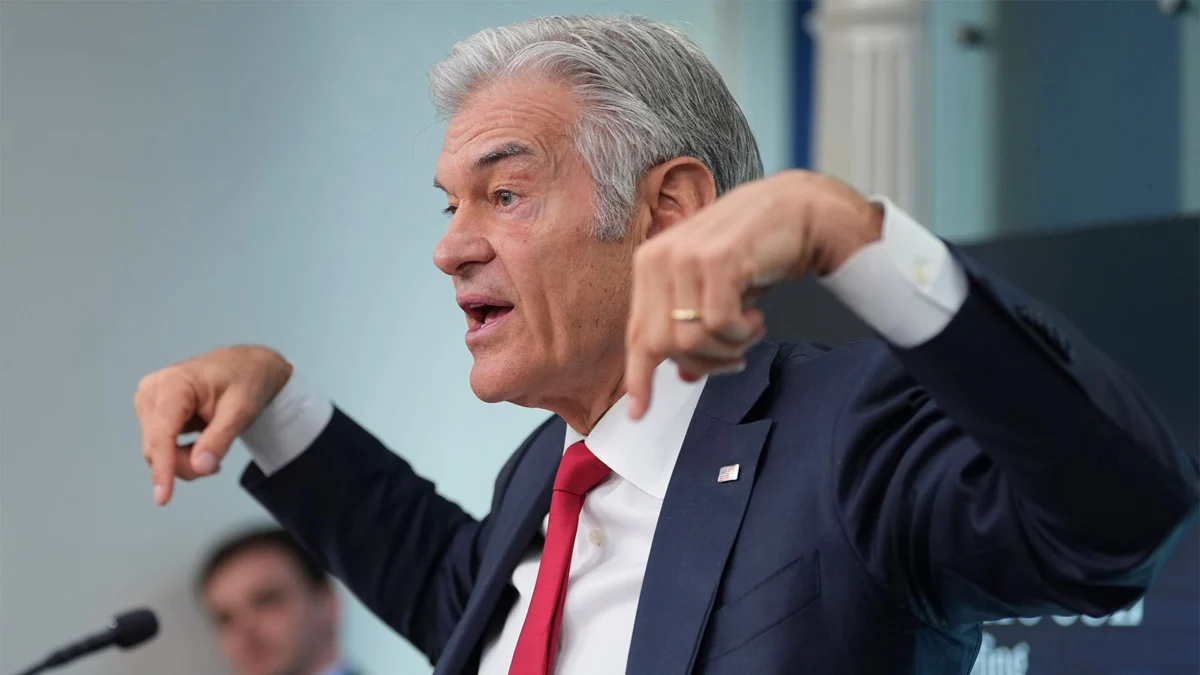
Dr. Mehmet Oz, serving as the head of the Centers for Medicare & Medicaid Services (CMS), issued a blistering statement regarding the case. "The doctor’s alleged conduct, which ignored a textbook diagnosis of preventable cardiac death, is heinous," Oz stated. "Healthcare fraud isn’t just about stealing money—it steals lives. When a physician abandons the Hippocratic Oath in favor of a ledger, the entire medical ecosystem is compromised."
The legal defense for Finkelstein has remained largely silent since the arraignment. While his legal team entered a plea of not guilty, they have yet to provide a substantive comment on the allegations regarding the falsified diagnoses or the specific instance of the athlete’s death.
Implications for Healthcare and Athletics
The implications of this case are likely to ripple through the collegiate sports world for years to come.
The End of "Remote" Diagnostics
The case highlights a major vulnerability in current healthcare regulation: the ability of providers to operate across state lines with minimal oversight. Legislators are already calling for stricter verification processes for diagnostic tests conducted by third-party contractors on university campuses. Universities will likely face increased scrutiny regarding their partnerships with private medical testing companies.
The Financial Toll
Beyond the $89 million in direct fraud, the case exposes the systemic weaknesses in how insurance companies verify medical necessity. The ease with which Finkelstein’s practice could input false diagnosis codes suggests a need for more robust, automated auditing tools within the insurance industry to flag patterns of anomalous billing.
Erosion of Trust
The most lasting impact may be the erosion of trust between student-athletes and medical professionals. In an era where cardiac health is a top-of-mind concern for young athletes, the idea that a physician would exploit that fear for financial gain is profoundly damaging.
"This is not just a case of billing fraud; it is a fundamental violation of the doctor-patient relationship," said a legal analyst familiar with the case. "The DOJ is sending a clear message: the federal government will pursue those who use their professional standing to endanger the very people they are sworn to protect."
As the case moves toward trial, the focus will remain on whether the evidence of Finkelstein’s intent—specifically his awareness of the "high risk" posed to students—can secure a conviction that reflects the severity of the alleged crimes. For the victims and their families, the legal process represents a long-overdue reckoning for a tragedy that many believe was entirely preventable.