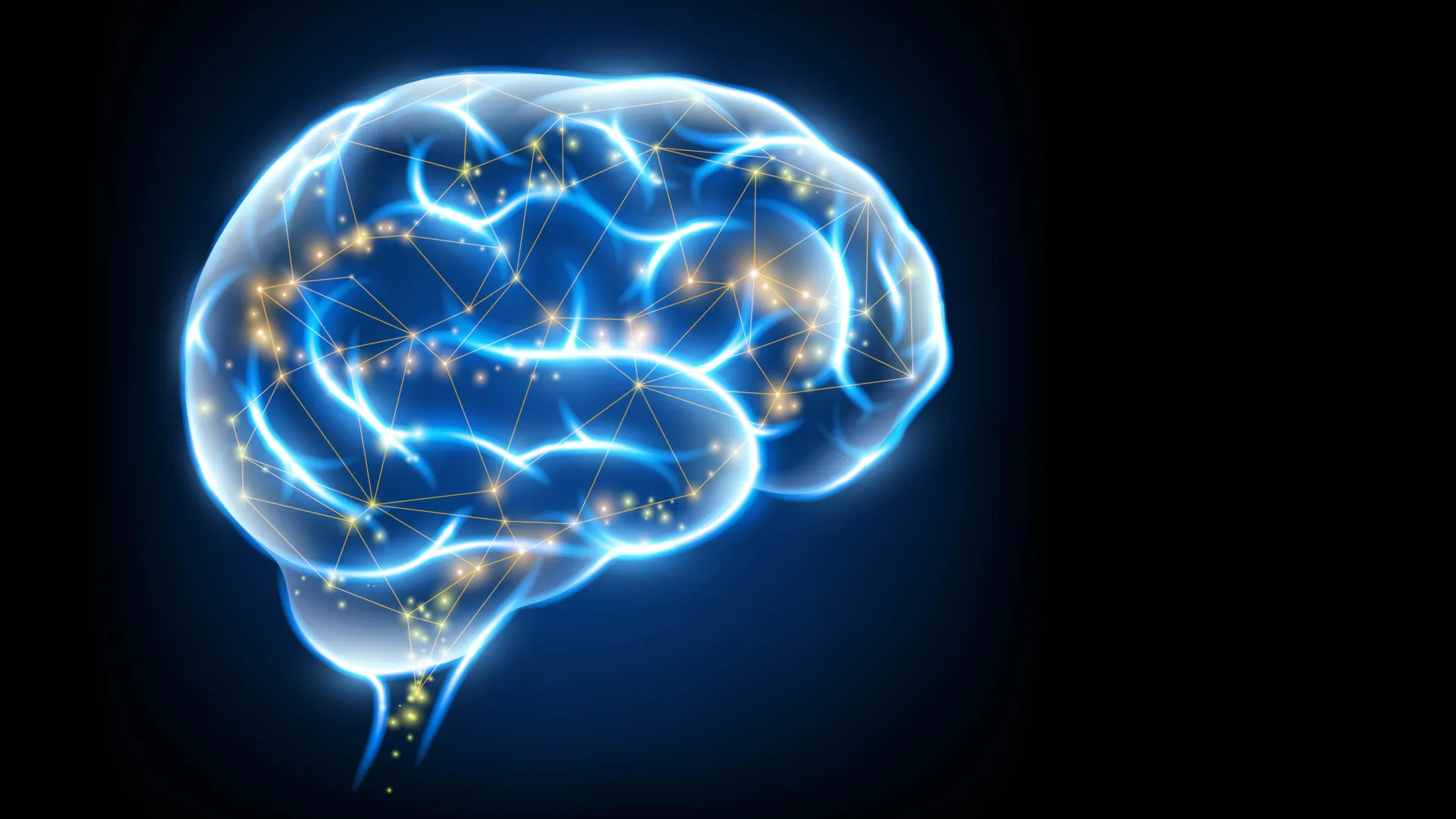
Neurodegenerative diseases—most notably Alzheimer’s, Parkinson’s, and Huntington’s—represent one of the most daunting challenges in modern medicine. These conditions are characterized by a slow, relentless erosion of the brain’s architecture, driven by the death of neurons, the specialized cells responsible for transmitting the electrical and chemical signals that underpin thought, memory, and physical movement. As these cells perish, the structural integrity of the brain collapses, leading to cognitive decline and motor dysfunction that eventually necessitate constant, high-level care.
While contemporary medicine has made strides in managing symptoms and slowing the early progression of diseases like Alzheimer’s through monoclonal antibody therapies such as lecanemab and donanemab, a definitive cure remains elusive. These current therapies target the plaques associated with the disease, but they are fundamentally limited: they cannot rebuild lost tissue or restore memories that have already been erased.
Now, a pioneering study published on July 3, 2025, in ACS Chemical Neuroscience suggests a paradigm shift. Researchers at the Shibaura Institute of Technology (SIT) in Japan have developed a series of synthetic vitamin K analogues that show the potential to stimulate the brain’s regenerative capacity, offering a glimmer of hope that one day, we might be able to replenish lost neurons rather than merely slowing their decline.
The Evolution of Vitamin K: From Blood Clotting to Neuroregeneration
For decades, Vitamin K has been synonymous with the body’s coagulation cascade—the vital process that prevents excessive bleeding—and its contribution to bone mineral density. However, nutritional biochemistry has increasingly pointed toward a more versatile role for this nutrient in the central nervous system.
Scientists have identified that Vitamin K plays a crucial role in "neuronal differentiation," the sophisticated biological process by which immature neural progenitor cells (NPCs) mature into functional, signaling neurons. The most active form of the vitamin currently present in the human body is menaquinone 4 (MK-4). While MK-4 is naturally protective, its potency is often insufficient to trigger a therapeutic regenerative response in a brain ravaged by neurodegeneration.
Led by Associate Professor Yoshihisa Hirota and Professor Yoshitomo Suhara, the SIT research team sought to engineer a "supercharged" version of this vitamin. Their objective was to design molecules that could cross the blood-brain barrier effectively and stimulate neuronal growth at a level unattainable by natural dietary intake.
Chronology of the Discovery: Engineering the "Novel VK"
The path to discovering what the researchers have dubbed "Novel VK" was an exercise in precise medicinal chemistry, conducted over several years of iterative testing.
Phase 1: Molecular Synthesis (2023–2024)
The team synthesized 12 distinct hybrid vitamin K homologs. The strategy was to leverage the known biological synergy between Vitamin K and retinoic acid—a metabolite of Vitamin A recognized for its role in promoting neuronal health. By creating hybrids that contained carboxylic acid moieties or methyl ester side chains, the researchers aimed to boost the biological affinity of the compounds for the brain’s receptor systems.
Phase 2: Receptor Mapping and Cell Assays
The researchers investigated the mechanism of action, discovering that while Vitamin K and retinoic acid operate through different receptors—the steroid and xenobiotic receptor (SXR) and the retinoic acid receptor (RAR), respectively—the hybrid molecules maintained the activity of both. Testing on mouse neural progenitor cells revealed that one specific compound outperformed natural MK-4 by a factor of three. This compound, which incorporated a retinoic acid structure with a methyl ester side chain, became the lead candidate: Novel VK.
Phase 3: Uncovering the mGluR1 Pathway
A pivotal moment in the study occurred when the team sought to understand the "why" behind the regeneration. Through comparative gene expression analysis, they identified the metabotropic glutamate receptor 1 (mGluR1) as the key driver. This was a critical insight, as mGluR1 is already known to be essential for synaptic transmission—the very communication link that fails in neurodegenerative patients.
Phase 4: Validation and Pharmacokinetics (Early 2025)
Using advanced structural simulations and molecular docking studies, the team confirmed that Novel VK possessed a superior binding affinity for mGluR1 compared to natural MK-4. Subsequent mouse experiments confirmed that the compound was not only stable but successfully traversed the blood-brain barrier, resulting in significantly higher concentrations of bioactive MK-4 within the brain tissue.
Supporting Data: Why the mGluR1 Connection Matters
The data supporting the efficacy of Novel VK is anchored in its ability to influence the epigenetic and transcriptional landscape of neural stem cells. By targeting the mGluR1 pathway, the compound effectively "tricks" the brain into a state of heightened neurogenesis.
In laboratory models, the presence of Novel VK significantly increased levels of microtubule-associated protein 2 (Map2), a primary marker for healthy neuronal growth and structural stability. This serves as a "smoking gun" that the cells are not just surviving, but actively developing into mature, functional neurons capable of integrating into existing neural networks.
Furthermore, the pharmacokinetic data provided a necessary foundation for potential clinical translation. A therapeutic agent is only as good as its delivery system; the fact that Novel VK converts into bioactive MK-4 more efficiently than natural vitamin K suggests that it could be administered with greater precision and efficacy in future medical settings.
Official Responses: Insights from the Lead Researchers
Dr. Yoshihisa Hirota emphasizes that this research is not merely an academic exercise, but a potential breakthrough for a global healthcare crisis. "Our research offers a potentially groundbreaking approach to treating neurodegenerative diseases," Dr. Hirota stated. "A vitamin K-derived drug that slows the progression of Alzheimer’s disease or improves its symptoms could not only improve the quality of life for patients and their families but also significantly reduce the growing societal burden of healthcare expenditures and long-term caregiving."
Professor Yoshitomo Suhara, whose work in medicinal chemistry provided the backbone for the synthesis of these novel compounds, notes that the study is a testament to the power of interdisciplinary science. "By bridging the gap between nutritional biochemistry and drug discovery, we are looking at a new class of neurogenic compounds that go beyond the current limits of symptom management," Dr. Suhara remarked.
Implications: A New Frontier in Regenerative Medicine
The implications of the SIT study are profound, though they require a measured perspective. While the results in mice are highly encouraging, the transition from murine models to human clinical trials is a complex, multi-year process. Currently, no vitamin K-derived drug is approved for the treatment of brain-related disorders in humans.
Moving Beyond Symptom Management
The primary limitation of current FDA-approved therapies for Alzheimer’s is their reactive nature. Anti-amyloid therapies address the buildup of toxic proteins, but they operate on a "damage control" basis. A regenerative therapy—the kind envisioned by the SIT team—would represent an "active repair" model. If the body can be induced to replace lost neurons, the functional recovery of memory and cognition shifts from an impossibility to a long-term goal.
Reducing the Societal Burden
The economic and emotional toll of neurodegeneration is staggering. As populations age globally, the prevalence of dementia is projected to rise, threatening to overwhelm healthcare systems. The development of a drug that can effectively arrest or reverse neuronal loss would fundamentally change the trajectory of these diseases, moving the focus away from custodial care and toward restorative treatment.
Future Directions
The next steps for the research team involve rigorous safety and toxicity profiling, followed by larger-scale animal studies to observe the long-term effects of Novel VK on cognitive performance. The scientific community will be watching closely to see if the mGluR1 pathway can indeed be harnessed as a reliable target for human neuro-restoration.
While a cure remains on the horizon, the work of Dr. Hirota, Dr. Suhara, and their colleagues at the Shibaura Institute of Technology provides a clear, scientifically validated map for a new generation of researchers. By re-imagining a common vitamin through the lens of modern medicinal chemistry, they have unlocked a pathway that may, in the coming decades, rewrite the narrative for millions living with the shadow of neurodegeneration.
Research Funding Acknowledgments
This study was supported by a diverse array of organizations committed to medical advancement, including the Mishima Kaiun Memorial Foundation, the Suzuken Memorial Foundation, the KOS Cosmetology Research Foundation, the Koyanagi Foundation, and the Takahashi Industrial and Economic Research Foundation. Additional support was provided by the Japan Society for the Promotion of Science (JSPS) through various grants for scientific research and early-career investigator support.