











As we navigate our sixth decade and beyond, the preservation of lower-body strength ceases to be merely a matter of fitness—it becomes a fundamental pillar of independent living. Maintaining muscle mass in the quadriceps, glutes, and hamstrings is essential for functional autonomy, whether it involves climbing stairs, rising from a deep armchair, or navigating uneven terrain with confidence.
While high-impact training and heavy lifting have their place in the fitness ecosystem, they are not the only, nor always the most appropriate, pathways to strength. For many adults over 60, "wall-based" training offers a sophisticated, low-risk, and highly effective alternative. By utilizing a vertical surface for stability, individuals can achieve deep muscular engagement without the apprehension of losing their balance.
The Science of Supported Strength: Why the Wall Works
The primary barrier to effective strength training for many seniors is the "fear factor"—the worry that a standard squat or lunge might lead to a fall or joint strain. Wall exercises effectively neutralize this concern. By providing a fixed point of contact, the wall serves as a proprioceptive guide, offering real-time feedback on spinal alignment, knee tracking, and hip positioning.
Research consistently demonstrates that consistent, low-impact resistance training can prevent sarcopenia—the age-related loss of muscle mass. The wall acts as an external anchor, allowing the central nervous system to focus less on stabilizing the entire body and more on the specific recruitment of the target muscle groups. This "cleaner" repetition leads to better muscular development and a significantly reduced risk of injury.
Chronology of Progress: A Strategic Approach to Movement
Strength is not built in a day, but through the consistent application of effort over time. When beginning a wall-based regimen, it is important to follow a logical progression:
- Foundation (Weeks 1–2): Focus exclusively on isometric holds (Wall Sits). The goal here is not exhaustion, but the mastery of correct joint alignment and the ability to breathe steadily under tension.
- Integration (Weeks 3–4): Introduce controlled movement patterns like the Wall Sit March. This phase teaches the brain to maintain stability while the body is in motion, a critical skill for fall prevention.
- Specialization (Weeks 5+): Move toward unilateral movements such as the Single-Leg Wall Sit and Wall-Supported Lunges. This addresses the common issue of muscle imbalances, ensuring that the dominant side does not compensate for the weaker one.
Core Exercises: A Comprehensive Breakdown
1. The Wall Sit: The Gold Standard for Isometric Endurance
Wall sits are an isometric powerhouse. By holding a static position, you place the quadriceps under sustained tension, which builds endurance and strengthens the connective tissues around the knees without the repetitive impact of a standard squat.
- Execution: Lean your back flat against a wall. Walk your feet out and slide down until your thighs are as parallel to the floor as your mobility allows. Ensure your knees are stacked directly over your ankles.
- The Benefit: It trains the "holding" muscles required for standing in long lines or performing household chores.
- Pro Tip: If your knees feel discomfort, perform the sit at a higher angle. The strength gains remain effective even if you are not at a full 90-degree angle.
2. The Wall Sit March: Enhancing Dynamic Balance
Once you are comfortable with the static sit, adding a march introduces a dynamic challenge to your hip stabilizers.
- Execution: While in a wall-sit position, slowly lift one foot an inch off the ground, hold for two seconds, and return it to the floor. Alternate legs.
- The Benefit: This forces your core and hips to stabilize the pelvis against the shifting weight, directly mimicking the mechanics of walking.
3. The Single-Leg Wall Sit: Correcting Asymmetry
Many of us have a "stronger" leg, which can lead to gait imbalances. This exercise isolates each limb.
- Execution: From a standard wall sit, slowly extend one leg straight out. Focus on keeping your hips level and not allowing your torso to rotate toward the supporting leg.
- The Benefit: This is the most effective way to ensure that both legs are contributing equally to your daily movements, such as stepping up onto a curb or climbing stairs.
4. Wall-Supported Step-Back Lunges: Building Propulsive Power
Lunges are excellent for functional strength, but they are notoriously difficult for those with balance concerns. Using a wall for light fingertip support allows you to reap the benefits while staying safe.
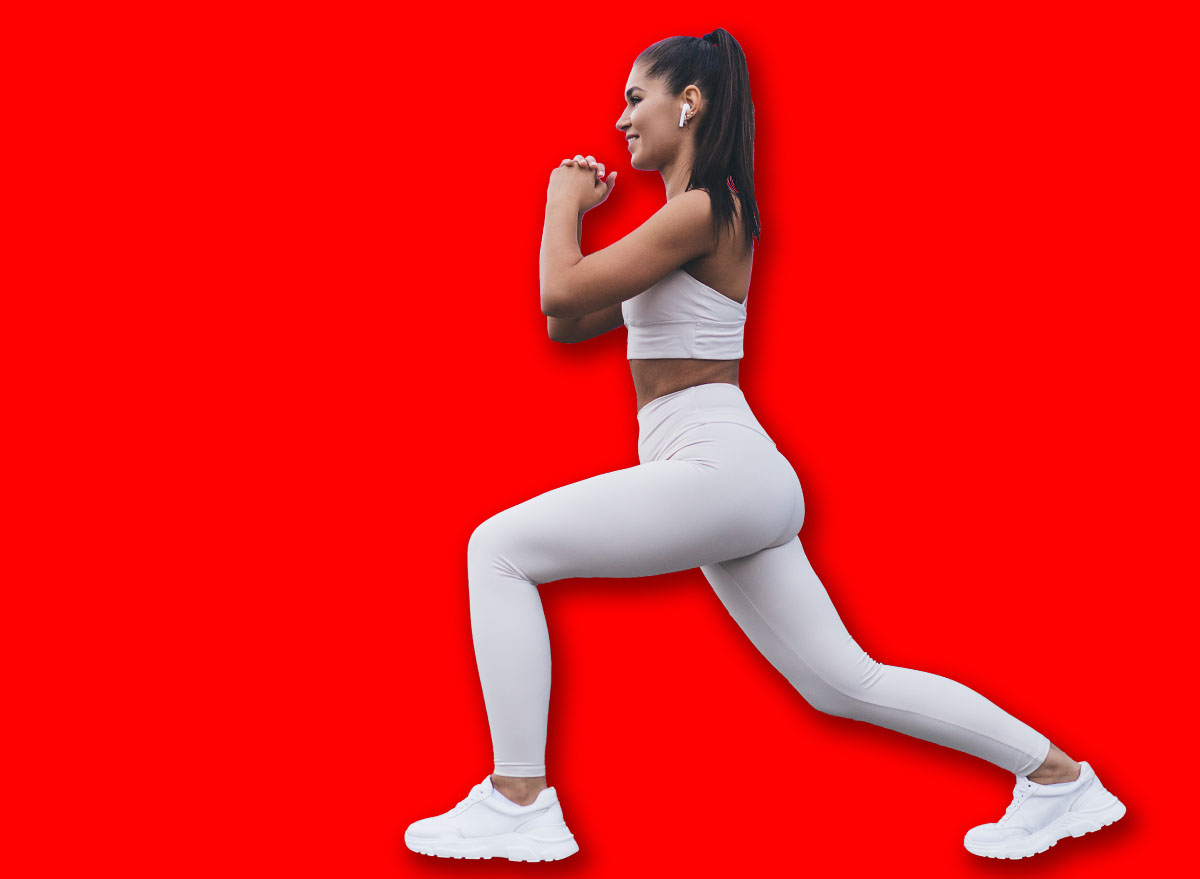
- Execution: Stand facing away from the wall. Take a controlled step back into a lunge, using the wall only for light balance support as needed. Keep your front shin vertical.
- The Benefit: This builds the glute and hamstring strength necessary for walking uphill and recovering from a potential trip.
5. Wall Hip Abduction: The Hidden Stabilizer
We often focus on the front of the legs, but the "abductors" (the muscles on the side of the hip) are the true guardians of knee health and balance.
- Execution: Stand sideways to the wall with one hand for support. Keep your torso upright and lift the outside leg directly out to the side. Avoid leaning your torso to compensate.
- The Benefit: Strengthening these muscles prevents the "knee collapse" that often occurs when walking, significantly reducing the risk of joint pain.
Supporting Data and Physiological Implications
The implications of these exercises extend far beyond the gym. A study published in the Journal of Gerontology suggests that functional lower-body strength is one of the strongest predictors of longevity. When a senior loses the ability to rise from a chair without assistance, their risk of hospitalization increases exponentially.
By integrating these five exercises into a weekly routine—ideally 3 to 4 times per week—you are essentially "future-proofing" your skeletal and muscular systems. The beauty of these movements lies in their low barrier to entry: no gym membership is required, no heavy barbells are needed, and the only "equipment" is a wall you likely have in every room of your home.
Official Guidance: The Professional Consensus
Physical therapists and geriatric exercise specialists emphasize that "form over depth" is the golden rule. For those over 60, the goal is not to achieve the deepest possible squat, but to maintain a neutral spine and stable joints throughout the duration of the movement.
When beginning this program, consider the following clinical recommendations:
- Consistency over Intensity: It is better to perform 5 minutes of high-quality wall work every day than a 45-minute grueling session once a week.
- Pain as a Teacher: Distinguish between "muscle burn" (a sign of effort) and "joint pain" (a sign of poor form). If you feel sharp pain in the knees or lower back, stop immediately and adjust your positioning.
- Breathing: Never hold your breath during these exercises. Maintaining a steady, rhythmic breath helps regulate blood pressure and keeps the core engaged.
Long-Term Implications for Independent Living
The journey to building strength after 60 is a quiet, internal process. It is about the ability to lift a bag of groceries, the confidence to walk through a crowded park, and the freedom to travel without worrying about physical limitations.
By utilizing the wall as your partner, you turn your home into a sanctuary for functional improvement. These exercises are not merely about aesthetics; they are about reclaiming the biological capital that allows us to engage with the world on our own terms. As you master these movements, you will find that the "simple" act of standing up feels more fluid, your gait becomes more confident, and your resilience to the physical demands of daily life increases.
Commit to this routine, stay patient with your progress, and remember: every rep is an investment in your future autonomy. You are not just building muscles; you are building the capacity to remain active, mobile, and independent for years to come.