




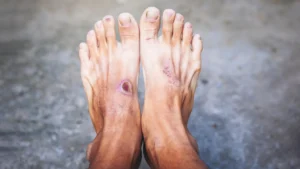
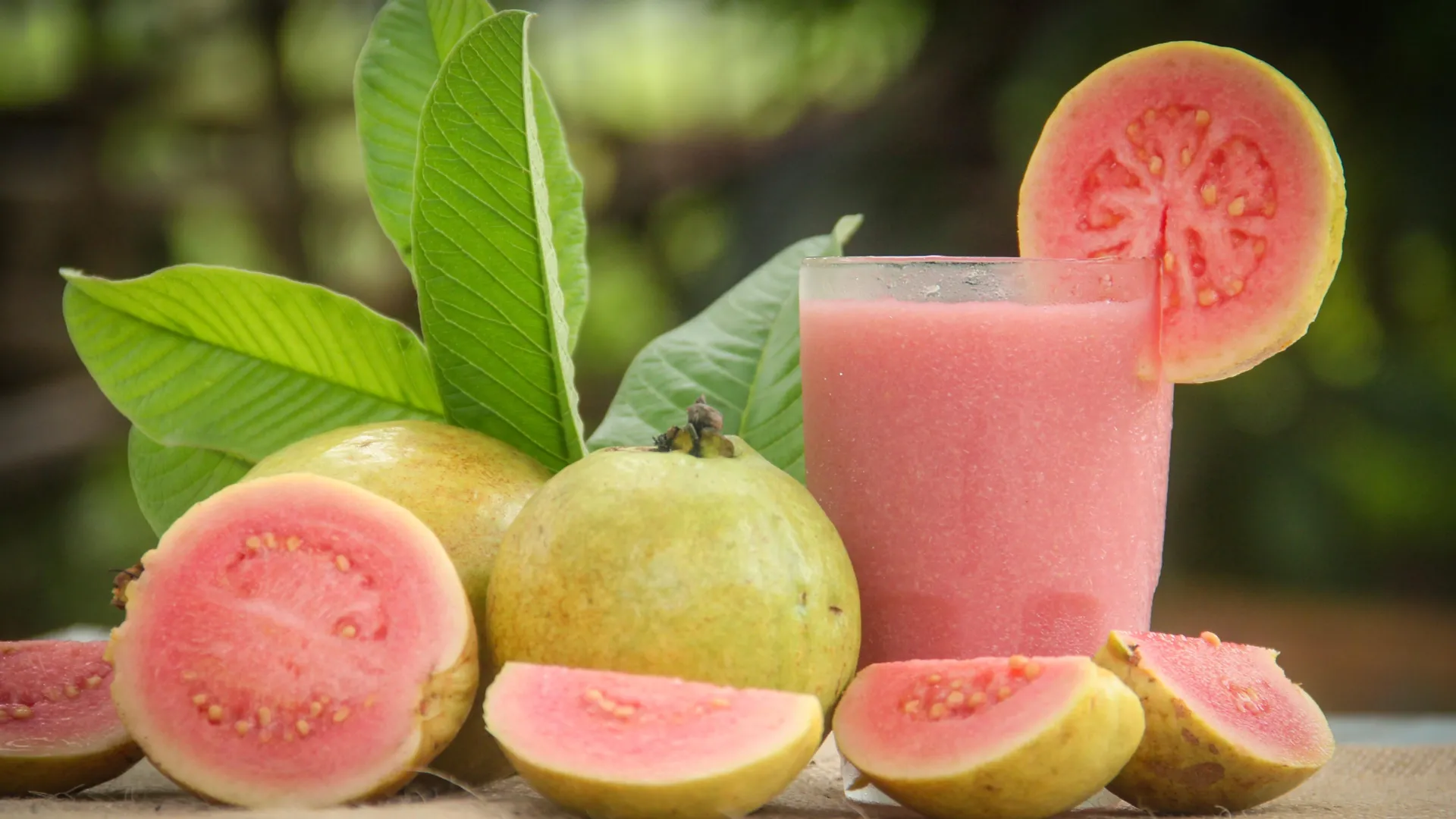
A simple, affordable, and culturally accessible solution to one of the most pervasive public health challenges in the developing world may be hiding in plain sight: the humble guava. According to a groundbreaking review published in the open-access journal BMJ Nutrition Prevention & Health, the regular consumption of guava juice could serve as a powerful, cost-effective intervention to mitigate the risks of iron deficiency anemia among women and teenage girls in low- and middle-income countries.
As global health organizations strive to meet the United Nations’ Sustainable Development Goals, this study offers a compelling case for integrating local, nutrient-dense foods into standardized public health protocols. By combining the natural potency of vitamin C-rich guava with traditional iron supplementation, researchers have uncovered a synergistic effect that significantly outperforms conventional treatment alone.
Main Facts: The Intersection of Nutrition and Public Health
Iron deficiency anemia (IDA) remains a silent epidemic, disproportionately affecting adolescent girls and pregnant women in developing nations. The consequences of the condition are far-reaching, manifesting in chronic fatigue, impaired cognitive function, weakened immune responses, and severe pregnancy-related complications that can lead to maternal and fetal mortality.
The new research, which synthesized data from 17 studies, identifies guava as a nutritional powerhouse. The fruit contains up to four times the vitamin C content of oranges—a critical factor because vitamin C acts as a vital catalyst in the human body, facilitating the efficient absorption of non-heme iron (iron derived from plant-based sources). Beyond its vitamin C content, guava is a dense source of vitamin A, folate, dietary fiber, and essential minerals, making it a comprehensive nutritional tool.
The core finding of the review is striking: participants who combined iron supplements with regular servings of guava juice exhibited significantly higher hemoglobin levels compared to those relying solely on iron supplementation. This "combination approach" represents a paradigm shift in how we might address nutritional deficiencies: moving beyond isolated pharmaceutical interventions toward a model that embraces dietary diversification and locally sourced, culturally relevant foods.
Chronology of Evidence: From Local Observations to Systematic Review
The journey toward recognizing guava as a therapeutic agent for anemia has been gradual, rooted in localized clinical observations before gaining international scientific interest.
The Indonesian Foundation (Pre-2000 to 2020)
For years, smaller-scale studies conducted primarily in Indonesia had hinted at a correlation between guava consumption and improved blood health. These early trials, often conducted in community health clinics or school settings, observed that individuals who incorporated guava juice into their daily diet showed faster recovery from symptoms of anemia. However, these studies were often disparate, using varying dosages and lacking a unified analytical framework.
The Systematic Synthesis (2020–2024)
Recognizing the potential for a broader public health application, researchers undertook a comprehensive systematic review. They analyzed English-language literature published since 2000, filtering for studies that met rigorous inclusion criteria. The final dataset comprised 17 studies—15 quasi-experimental and two randomized controlled trials.
The researchers categorized these studies to isolate the variables:
- Target Demographics: Six studies focused exclusively on adolescent girls, while 11 focused on pregnant women.
- The Data Pool: By pooling data from 12 of these studies, involving 235 participants, the researchers established a baseline for improvement. The average hemoglobin increase across these cohorts was 1.71 g/dl.
- Demographic Breakdown: When isolated, pregnant women saw an average increase of 1.84 g/dl, while teenage girls saw a gain of 1.52 g/dl.
This chronological progression—from isolated community-based trials to a rigorous meta-analysis—marks a transition from anecdotal evidence to a scientific hypothesis that is now ready for more widespread scrutiny.
Supporting Data: Why the Combination Approach Works
The effectiveness of the guava intervention lies in the chemistry of absorption. Iron supplements, while necessary, are notoriously difficult for the body to process in isolation. Many patients struggle with low bioavailability, where only a fraction of the ingested iron enters the bloodstream.
The Synergy Effect
Five of the reviewed studies provided a direct head-to-head comparison: women taking iron supplements alone versus those taking iron supplements alongside guava juice. With 102 participants in each group, the results were statistically significant. The combination group outperformed the control group by an average of 1.29 g/dl.
For the medical community, an increase of 1–2 g/dl is not merely a statistical curiosity; it is a clinical milestone. Researchers noted that this magnitude of improvement is often sufficient to shift an individual from a state of "mild or moderate anemia" to "non-anemic." The implications for the individual are profound:
- Cognitive Gains: Improved oxygen transport to the brain enhances concentration and learning outcomes in school-aged girls.
- Physical Vitality: A reduction in anemia-induced fatigue leads to higher daily productivity and physical well-being.
- Clinical Safety: For pregnant women, achieving these thresholds significantly reduces the risk of obstetric complications, such as postpartum hemorrhage and low birth weight.
Official Responses and Scientific Caution
While the findings have been met with optimism, the scientific community maintains a balanced perspective, emphasizing that guava juice is an adjunct to, rather than a replacement for, clinical care.
The "Cautionary" Stance
Professor Sumantra Ray, chief scientist and executive director of the NNEdPro Global Institute for Food, Nutrition and Health, acknowledged the validity of the underlying nutritional science. "This study builds on the established role of dietary sources high in vitamin C to enhance iron absorption," he noted.
However, Professor Ray was quick to highlight the limitations that prevent immediate, universal clinical recommendation. The current evidence base relies heavily on quasi-experimental designs rather than long-term, large-scale randomized clinical trials. Furthermore, the studies analyzed were geographically concentrated in Indonesia, leading to questions about the generalizability of these results to other regions with different soil compositions, guava varieties, and baseline diets.
"Without further rigorous research, defining the best therapeutic dose and period of use, guava juice can’t be recommended as an alternative to conventional treatment," Ray added. The need for standardized protocols—covering everything from the variety of fruit used to the specific timing of ingestion—remains a top priority for future research.
Implications: A New Era for Public Health Programs?
The potential for incorporating guava juice into public health initiatives is immense, particularly in the context of the United Nations’ Decade of Action on Nutrition (2016–2025).
Scalability and Cultural Integration
Unlike expensive synthetic supplements that require complex supply chains, guava is already a staple crop in many tropical, low-income nations. It is affordable, culturally accepted, and widely palatable. By embedding guava juice programs into existing frameworks—such as school lunch programs and antenatal care packages—nations could create a sustainable, "food-first" approach to a systemic problem.
Strengthening Local Economies
The researchers suggest that this intervention could do more than just improve hemoglobin levels; it could stimulate local agriculture. By incentivizing the production and distribution of guava for public health, governments can support local farmers, strengthen regional supply chains, and reduce dependence on imported pharmaceutical supplements.
A Roadmap for Future Action
The path forward is clear but requires deliberate steps:
- Standardization: Public health agencies must determine the optimal "therapeutic dose" of guava juice to ensure consistent results across different populations.
- Long-term Longitudinal Studies: Future research must track the sustainability of these hemoglobin improvements over months and years to ensure the benefits are not transitory.
- Policy Integration: As evidence matures, integrating these findings into national dietary guidelines will be crucial. This move would signal a shift toward "nutrition-sensitive" health policies, where the kitchen becomes as important as the pharmacy in managing chronic conditions.
Conclusion
The review in BMJ Nutrition Prevention & Health serves as a powerful reminder that sometimes the most effective medical solutions are those that are simple, accessible, and grounded in nature. While guava juice is not a "magic bullet," it represents a promising, low-cost tool in the fight against anemia. By bridging the gap between nutritional science and public policy, we may be on the verge of a more sustainable, inclusive, and effective approach to global health. As the research continues to evolve, the humble guava may soon find its place as a cornerstone of anemia prevention, proving that sometimes the best medicine is a glass of fruit juice and a sound, science-backed plan.