In the rapidly evolving landscape of oncology, CAR T-cell therapy stands as a beacon of hope, a triumph of synthetic biology that has turned once-untreatable blood cancers into manageable conditions. Yet, a persistent, formidable barrier remains: the "exhaustion" of these engineered immune cells, particularly when faced with the hostile environment of solid tumors.
Now, a collaborative breakthrough between researchers at Columbia University and the University Hospital Tübingen offers a potential solution. In a study published in the journal Cancer Discovery, an international team of scientists has identified a "molecular brake"—a protein known as NFIL3—that appears to trigger the premature burnout of CAR T cells. By utilizing CRISPR/Cas9 gene-editing technology to silence this protein, the researchers have successfully extended the lifespan and potency of these cells, paving the way for a new generation of cancer immunotherapies.
The Challenge of CAR T-Cell Exhaustion
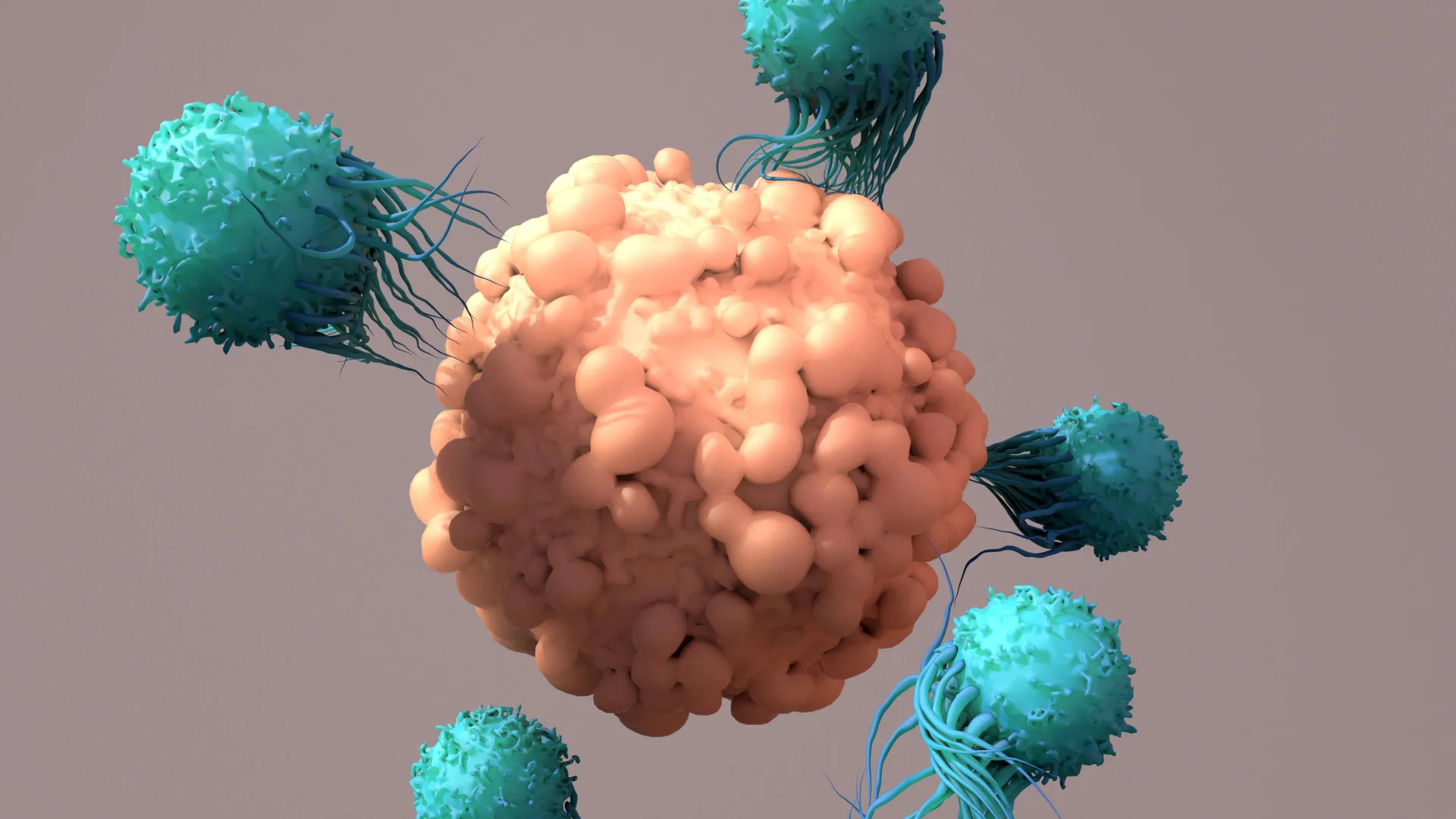
CAR T-cell therapy involves a sophisticated, personalized process: clinicians extract a patient’s T cells, genetically modify them in a laboratory to express chimeric antigen receptors (CARs) capable of identifying specific tumor surface proteins, and reinfuse them into the patient’s bloodstream. Once inside, these cells act as "living drugs," seeking out and destroying malignant cells.
While this approach has achieved clinical success in hematological cancers like leukemia and lymphoma, its efficacy against solid tumors—such as those found in the breast, lung, or pancreas—has been historically underwhelming. Solid tumors are notoriously difficult to treat because they create a complex, immunosuppressive microenvironment. Within this hostile landscape, CAR T cells often succumb to "exhaustion"—a state where they lose their proliferative capacity and functional vigor before the tumor can be fully eradicated.
Chronology of the Discovery
The road to identifying NFIL3 as a primary suspect in this cellular burnout was marked by a rigorous, high-throughput investigation into the genetic architecture of T-cell regulation.
Phase 1: Large-Scale Genomic Screening
Led by Professor Michel Sadelain of Columbia University—a pioneering figure in the field of CAR T-cell therapy—and Professor Judith Feucht of the University Hospital Tübingen, the team sought to identify the genetic levers that control T-cell longevity. The researchers conducted a systematic, large-scale screen of approximately 400 transcription factors—the proteins that serve as master switches for gene expression within cells.
Phase 2: Identifying the Culprit
Through extensive computational and biological modeling, the team zeroed in on NFIL3. They observed that in exhausted T cells, NFIL3 expression was significantly elevated. This suggested that NFIL3 was not merely a passive bystander but an active driver of the exhaustion program.
Phase 3: CRISPR-Mediated Intervention
To confirm their hypothesis, the team employed CRISPR/Cas9, the revolutionary "genetic scissors" technology. By precisely editing the genome of the CAR T cells to disable the gene responsible for NFIL3 production, the scientists created a "knockout" cell line. They then subjected these modified cells to rigorous testing in controlled laboratory environments, comparing their performance against standard, non-modified CAR T cells.
Phase 4: Preclinical Validation
Following the success of in vitro experiments, the research moved to mouse models. The findings were striking: CAR T cells lacking NFIL3 demonstrated superior tumor-killing capabilities, expanded more rapidly, and persisted in the body for significantly longer durations than their conventional counterparts.
The Science of NFIL3: Why Less is More
Transcription factors are the "command centers" of the cell. They dictate how a cell responds to its environment. When a T cell enters a tumor, it is bombarded with signals that tell it to work, but also signals that trigger exhaustion as a natural safety mechanism to prevent autoimmunity.
The research suggests that NFIL3 is a key component of the exhaustion-signaling pathway. By removing it, the researchers effectively "cut the brake lines," allowing the CAR T cells to remain in a state of high activation for an extended period. This increased stamina allows the cells to infiltrate dense solid tumors and maintain their cytotoxic (cell-killing) pressure long enough to overcome the tumor’s defenses.
Supporting Data and Implications
The implications of this study are profound, particularly regarding the "bench-to-bedside" pipeline. Currently, one of the primary reasons for the failure of CAR T-cell therapy in solid tumors is that the cells lose their metabolic fitness and fail to replicate in the tumor microenvironment.
The data presented by the Columbia-Tübingen team provides a clear mechanism to bypass these hurdles. In the mouse models, the NFIL3-deficient cells did not just show better tumor control; they also showed a shift in their genetic profile that favored long-term survival and memory formation. This means the therapy might not only be more effective at shrinking tumors but could potentially provide long-lasting immunity against cancer recurrence.
"Switching off NFIL3 could be a decisive step toward significantly improving the long-term potency of CAR T cells," noted Professor Feucht. Her perspective is uniquely informed by her dual role as a high-level researcher and a clinician treating children and adolescents at the Department of Pediatrics at University Hospital Tübingen.
Bridging the Gap: Clinical Perspectives
Professor Judith Feucht’s involvement underscores the importance of translational medicine. She conducts her research within Germany’s prestigious Cluster of Excellence in oncology, iFIT (Image Guided and Functionally Instructed Tumor Therapies). This initiative is designed specifically to accelerate the movement of laboratory findings into the clinic.
"Our goal is to improve the effectiveness of CAR T cells in solid tumors as well," says Celina May, co-first author of the study and a member of Prof. Feucht’s research group. "We expect this to open up new possibilities in the treatment of cancer patients."
The collaborative nature of this work—linking the foundational expertise of Dr. Sadelain’s laboratory with the clinical integration of the Tübingen team—highlights a growing trend in modern medicine: the globalization of research. By pooling resources and clinical observations across continents, the team was able to validate their findings with a level of scientific rigor that would be difficult for any single institution to achieve alone.
Future Directions and Clinical Hurdles
Despite the enthusiasm surrounding the discovery of NFIL3 as a target, the researchers caution that the transition to human clinical trials will require further development.
Safety and Specificity
One of the primary concerns in any gene-editing application is the potential for off-target effects. While CRISPR is precise, it must be ensured that removing NFIL3 does not have unforeseen consequences on the patient’s broader immune system or trigger unwanted inflammatory responses. Extensive safety profiles will need to be developed before regulatory bodies, such as the FDA or the EMA, approve human testing.
Refinement of Delivery
Beyond gene editing, there is the challenge of scalability. Manufacturing personalized CAR T cells is already a labor-intensive and costly process. Adding a CRISPR-based modification step adds another layer of complexity. Future research will likely focus on streamlining this process, ensuring that the enhanced cells can be produced reliably and efficiently for clinical use.
Conclusion: A New Era for Immunotherapy
The identification of NFIL3 as a primary mediator of T-cell exhaustion represents a critical milestone in oncology. For decades, the field of immunotherapy has struggled with the "exhaustion" phenomenon, often viewing it as an inevitable biological consequence of tumor combat. This research flips that narrative, suggesting that cellular exhaustion is a regulatory program that can be reprogrammed.
By combining the transformative power of CRISPR with the deep biological insights provided by the Columbia and Tübingen teams, we are entering an era where "living drugs" can be engineered with increased endurance and precision. While there is still a significant path ahead in terms of safety testing and clinical trials, the study in Cancer Discovery provides a concrete, actionable target that could fundamentally change how we approach the treatment of some of the world’s most stubborn cancers.
As the research moves toward clinical translation, the "bench-to-bedside" approach championed by Prof. Feucht remains the gold standard for progress. If these results can be replicated in human trials, NFIL3-deficient CAR T cells may well become the foundation for a new, highly effective standard of care for solid tumors, offering renewed hope to patients for whom conventional treatments have failed.