










In the modern era, humanity is winning the war against premature mortality. Advances in medical diagnostics, pharmaceutical interventions, and precision surgery have fundamentally altered the trajectory of the human lifespan. We are, by all standard metrics, living longer than any generation in recorded history. Yet, as the calendar counts higher, a sobering reality has begun to emerge: the extra years we are gaining are not necessarily being spent in vitality.
For the fitness industry, this creates an existential challenge. If the primary goal of physical training has historically been performance, aesthetics, or short-term athletic gains, those metrics are becoming increasingly misaligned with the needs of a maturing population. The urgent question facing coaches, physiologists, and wellness practitioners is no longer just how to add years to a client’s life, but how to add "capacity" to those years. We are witnessing a critical divergence between lifespan—the raw number of years lived—and healthspan—the duration of those years lived with autonomy, functional independence, and cognitive clarity.
The Disconnect: Why "Living Longer" Isn’t Enough
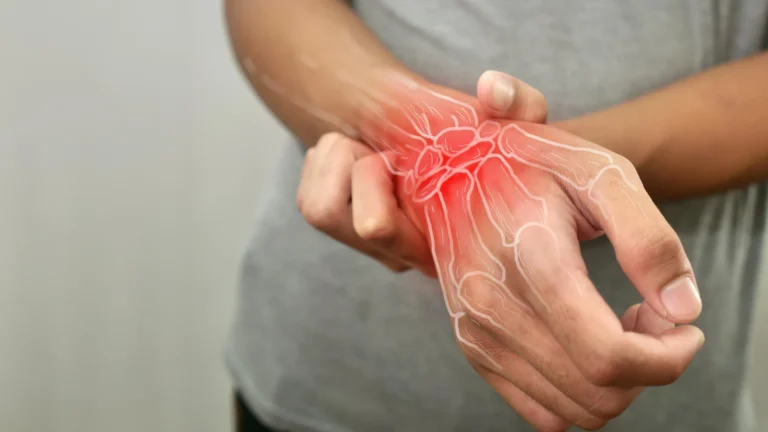
The disconnect between medicine and physical function is increasingly apparent in the modern clinic. While cardiovascular medicine can effectively manage chronic conditions like hypertension or metabolic syndrome, it does not inherently preserve the neuromuscular architecture required for daily movement. A patient may be "clinically healthy"—with stable blood pressure and managed glucose levels—while suffering from sarcopenia (muscle loss), diminished power output, and compromised vestibular stability.
These declines do not announce themselves with a sudden event. They are silent, cumulative processes that accelerate in the absence of targeted intervention. When physical capacity drops below a certain threshold, the individual loses the ability to perform basic life tasks—getting out of a chair without assistance, navigating uneven terrain, or recovering from a trip. At this juncture, independence is compromised, and the quality of life begins a steady, often irreversible, decline.
Chronology of Capacity Loss: A Silent Erosion
The degradation of physical function is rarely a sudden collapse; it is a predictable, albeit slow, erosion of physiological capital. Understanding this timeline is essential for professionals tasked with intervention.
- The Midlife Plateau (Ages 35–50): In this stage, many individuals experience the first subtle shifts in recovery speed and tolerance for high-impact activities. Often, professional and familial stressors lead to a reduction in training frequency. This is the period where "maintenance" is often mistaken for "preservation," and the foundation for later-life capacity begins to crack.
- The Adaptation Trap (Ages 50–65): As joint discomfort or minor metabolic changes appear, individuals begin to subconsciously modify their behavior. They stop taking the stairs, avoid complex movement patterns, or reduce the intensity of their exercise. This is the "silent decline." Because these adjustments are small, the individual does not perceive them as a loss of capacity; they perceive them as "getting older."
- The Threshold of Vulnerability (Ages 65+): Once the cumulative loss of strength, power, and balance reaches a critical mass, the risk of falls and injury skyrockets. At this stage, the focus of training shifts from optimization to mitigation—attempting to reclaim what was lost rather than building upon a robust foundation.
Supporting Data: The Case for Targeted Training
The scientific literature underscores that physical decline is not an inevitable fate, but a condition that can be mitigated through rigorous, intentional programming. Research consistently highlights several key metrics that dictate long-term independence:
- Strength as a Longevity Marker: Studies, including those published in the Journals of Gerontology, suggest that muscular strength—specifically grip strength and lower-body force production—is a more accurate predictor of all-cause mortality than muscle mass alone. Strength is the prerequisite for all movement; without it, the body cannot engage in the mechanical stress required to maintain bone density and metabolic health.
- The Critical Role of Power: While strength is the ability to produce force, power is the ability to produce force quickly. Research by Reid and Fielding (2012) identifies skeletal muscle power as a primary determinant of functional independence. Power declines earlier and more rapidly than strength; it is the physical attribute most responsible for preventing falls and enabling rapid, reactive movement in unpredictable environments.
- Movement Variability and Balance: Training in controlled, linear environments (like a standard treadmill or stationary bike) is insufficient for the real world. A body that has not been challenged with lateral movement, varied terrain, and balance perturbations is a body that is ill-prepared for the unpredictability of daily life.
Official Perspectives: Shifting the Coaching Mandate
Leading fitness organizations, including the American College of Sports Medicine (ACSM), have long emphasized the need for a multifaceted approach to training. However, the current consensus is shifting toward a more granular view of "functional capacity."
"The goal of the coach is to function as a steward of the client’s physical autonomy," says one industry expert. "We must move away from the obsession with short-term aesthetic results and prioritize the building of a physiological reserve that will carry a client through their 70s, 80s, and beyond."
This shift requires a professional maturity that balances the client’s desire for immediate change with the long-term necessity of functional longevity. Coaches are now encouraged to frame success not through the lens of body fat percentage or maximal lifts, but through "capacity markers": the ability to stand from a chair, the gait speed of a brisk walk, the balance required to stand on one leg, and the confidence to navigate stairs without hesitation.
Implications for Future Programming
The implications for the fitness industry are profound. To serve a population that is living longer, programming must undergo a fundamental redesign:
1. From Performance to Capacity
Training should be viewed as an insurance policy. While performance goals (such as hitting a PR) are excellent motivators, they must be nested within a framework that emphasizes movement quality, joint longevity, and the maintenance of lean muscle mass.
2. The Power-First Approach
Incorporating low-risk, high-velocity movements—such as medicine ball tosses, controlled explosive step-ups, or reactive agility drills—must become standard practice. By training the neuromuscular system to respond rapidly, coaches can stave off the inevitable decline in power that precedes mobility issues.
3. Embracing Environmental Demand
Training sessions should move beyond the "predictable gym" model. Introducing elements of balance, coordination, and multi-planar movement prepares the client for the chaos of the real world. This doesn’t mean moving to high-risk activities; it means challenging the brain and the body to adapt to minor instabilities.
4. Continuity Over Intensity
The most dangerous enemy of healthspan is inconsistency. Programs that assume "perfect conditions"—no stress, no travel, no injury—are doomed to fail. A healthspan-focused program is designed for continuity, with built-in flexibility that allows for training to continue even when the client’s circumstances change.
Conclusion: A Daily Commitment to Autonomy
Healthspan is not a destination that is reached at the end of life; it is a cumulative result of daily choices. It is the outcome of consistent exposure to load, movement, and cognitive challenge. As medical science continues to extend the number of years we inhabit our bodies, the fitness industry must accept the responsibility of ensuring those years are worth living.
By reframing our approach to focus on the preservation of independence, we do more than just build stronger bodies. We empower individuals to remain active, self-directed, and fully engaged participants in their own lives. The mandate for the future is clear: we must stop training for the mirror, and start training for the decade ahead. The strength we build today is the freedom we enjoy tomorrow.
References
- Bean, J. F., et al. (2010). Increased velocity exercise specific to task (InVEST) training. Journal of the American Geriatrics Society.
- Booth, F. W., Roberts, C. K., & Laye, M. J. (2012). Lack of exercise is a major cause of chronic diseases. Comprehensive Physiology.
- Garber, C. E., et al. (2011). ACSM position stand: Quantity and quality of exercise for developing and maintaining fitness. Medicine & Science in Sports & Exercise.
- Newman, A. B., et al. (2006). Strength, but not muscle mass, is associated with mortality. The Journals of Gerontology.
- Reid, K. F., & Fielding, R. A. (2012). Skeletal muscle power: A critical determinant of physical functioning in older adults. Exercise and Sport Sciences Reviews.