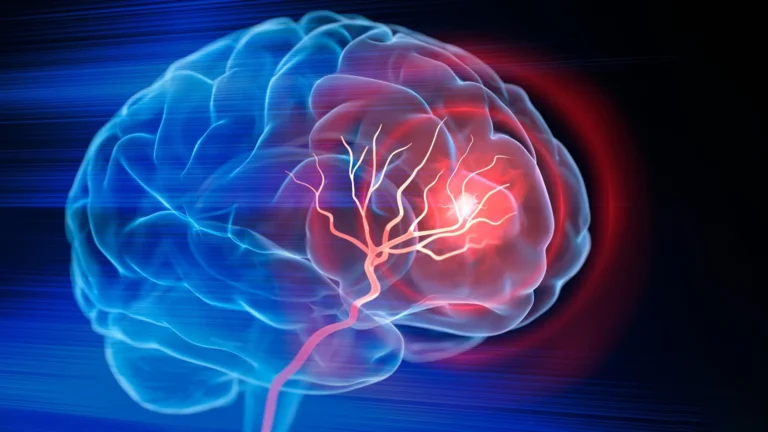












In a significant breakthrough for metabolic and cardiovascular medicine, an international research consortium has unveiled findings suggesting that an experimental therapeutic agent, known as IC7Fc, may provide a robust defense against heart disease. While the drug was initially engineered to address the complexities of type 2 diabetes, new preclinical evidence indicates that its therapeutic reach extends far into the realm of heart health, offering a potential dual-action solution for two of the world’s most pervasive chronic conditions.
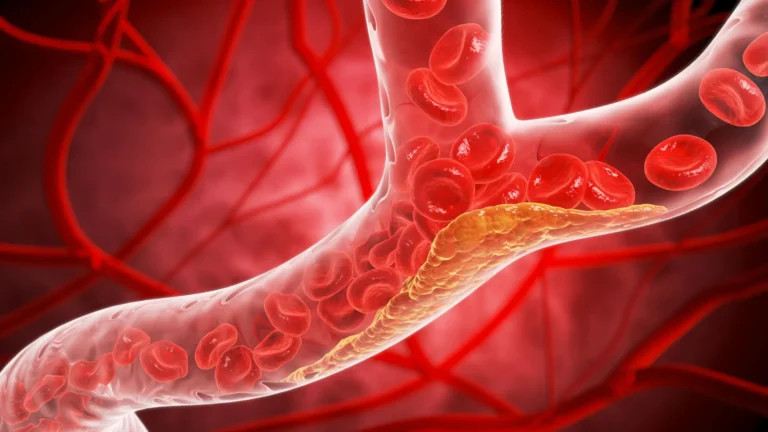
The study, published in the peer-reviewed journal Science Advances, details how the drug effectively lowers cholesterol, suppresses systemic inflammation, and slows the progression of atherosclerosis—the dangerous accumulation of fatty deposits within the arteries that serves as the primary precursor to heart attacks and strokes.
The Core Findings: A New Frontier in Cardiovascular Therapy
At its fundamental level, the research demonstrates that IC7Fc acts as a metabolic modulator. By targeting specific pathways associated with inflammation and lipid metabolism, the drug successfully mitigated the development of arterial plaques in mouse models genetically predisposed to cardiovascular disease.
The significance of these findings cannot be overstated. Cardiovascular disease remains the leading cause of mortality globally. Despite the widespread use of statins and antihypertensive medications, a significant portion of the population remains at high risk for "residual cardiovascular events"—heart attacks and strokes that occur even when traditional risk factors are ostensibly managed. IC7Fc represents a potential shift in the paradigm, moving away from symptom management toward a more holistic approach to vascular health.
Chronology of Development: From Metabolic Research to Heart Protection
The journey of IC7Fc began within the laboratories of the Monash Institute of Pharmaceutical Sciences (MIPS), under the guidance of Professor Mark Febbraio. The initial mandate for the drug’s development was the treatment of type 2 diabetes—a metabolic disorder characterized by insulin resistance and impaired glucose metabolism.
The Initial Breakthrough (The Metabolic Phase)
Early investigations into IC7Fc focused on its efficacy in managing glycemic control. Researchers discovered that the drug could significantly improve insulin sensitivity and, in obese animal models, stimulate weight loss and reduce overall body fat. These findings positioned IC7Fc as a promising candidate for the treatment of metabolic syndrome, a cluster of conditions that includes high blood pressure, high blood sugar, and excess body fat.
Expanding the Scope (The Cardiovascular Phase)
Recognizing that metabolic health and cardiovascular integrity are inextricably linked, Professor Febbraio and his international collaborators at Leiden University Medical Centre shifted their focus to the vascular implications of the drug. The researchers hypothesized that the anti-inflammatory properties of IC7Fc—which helped stabilize glucose levels—might also mitigate the inflammatory processes that lead to the hardening and clogging of arteries.
The subsequent preclinical study was designed to test this hypothesis in lean mice with a genetic predisposition to high cholesterol. This shift in study design was crucial: by testing the drug in lean subjects, the researchers sought to decouple the drug’s potential cardiovascular benefits from its weight-loss effects, providing a clearer picture of its direct impact on vascular health.
Supporting Data: Mechanisms of Action and Clinical Implications
The data presented in Science Advances provide a detailed look at the mechanisms through which IC7Fc exerts its protective effects.
Lipid Profile Modulation
One of the most striking outcomes of the study was the reduction of triglycerides and low-density lipoprotein (LDL) cholesterol in the subjects. By lowering these circulating blood fats, IC7Fc reduces the substrate available for plaque formation.
Anti-Inflammatory Properties
Atherosclerosis is now widely understood to be an inflammatory disease. The immune system’s response to cholesterol deposits in the artery wall creates a cycle of damage, rupture, and clotting. The study found that IC7Fc effectively modulates this immune response, easing the inflammation that would otherwise accelerate the growth of arterial plaques.
The "Weight-Neutral" Advantage
Perhaps the most intriguing finding was the discrepancy in how the drug affected different test groups. In previous studies involving obese mice, IC7Fc led to significant appetite suppression and weight loss. However, in the lean mice utilized in the current study, the drug did not significantly alter body weight or food intake. This suggests that the cardiovascular benefits are not merely a byproduct of weight loss, but are instead the result of direct, systemic metabolic improvements. This distinction is vital, as it implies that the drug could be safely administered to non-obese patients suffering from hereditary high cholesterol or cardiovascular risk.
Official Responses and Expert Perspective
Professor Mark Febbraio, the lead investigator for the Monash Institute of Pharmaceutical Sciences, has been a central figure in the drug’s development. Reflecting on the study’s implications, he emphasized the critical need for new strategies in the fight against heart disease.
"Our earlier studies showed IC7Fc could help manage type 2 diabetes, a metabolic disease," Professor Febbraio noted. "This new research shows it can also reduce atherosclerosis, meaning it slows the ‘clogging’ of the arteries, where fatty deposits build up and restrict blood flow to the heart."
Professor Febbraio is candid about the current limitations of medical science. "Heart disease remains the world’s biggest killer, driven largely by atherosclerosis," he stated. "Even with common treatments that lower blood pressure and cholesterol, many people are still at risk, showing there’s more work to do."
Regarding the dual-action potential of the drug, he added: "These results suggest IC7Fc could offer a dual benefit—helping reduce obesity in some, while protecting the heart in others. It’s an exciting step towards a treatment that targets both metabolic and cardiovascular disease simultaneously."
Implications: A New Era for Personalized Medicine
The potential implications of IC7Fc for the pharmaceutical industry and clinical practice are profound. If these results can be replicated in human clinical trials, the drug could represent a cornerstone therapy for patients suffering from "metabolic-vascular syndrome."
Redefining Treatment Protocols
Current treatment for cardiovascular disease often requires a "cocktail" of drugs: statins for cholesterol, ACE inhibitors or beta-blockers for blood pressure, and sometimes anti-platelet agents. A drug that addresses the underlying metabolic and inflammatory drivers of disease could simplify treatment regimens, improve patient compliance, and potentially yield superior outcomes.
The Challenge of Human Translation
Despite the enthusiasm surrounding the Science Advances publication, the research team remains focused on the inherent challenges of clinical translation. Preclinical success in mice does not guarantee success in humans. The next phase of development will require rigorous Phase I and Phase II clinical trials to establish the drug’s safety profile, optimal dosage, and long-term efficacy in diverse human populations.
Future Research Directions
The research team is already looking toward further studies that will examine the long-term impact of IC7Fc on vascular wall integrity. There is also interest in exploring whether the drug interacts with existing standard-of-care medications, or if it might be more effective as a monotherapy for specific patient sub-groups, such as those with early-stage atherosclerosis or those who are statin-intolerant.
Conclusion: Bridging the Gap in Cardiovascular Care
The development of IC7Fc represents a significant scientific endeavor that bridges the gap between metabolic research and cardiovascular intervention. By identifying a single therapeutic agent capable of addressing the complex interplay between systemic inflammation, lipid metabolism, and arterial health, researchers are moving closer to a more integrated understanding of human physiology.
While the path from the laboratory bench to the pharmacy shelf is long and fraught with regulatory hurdles, the data provided by the Monash University and Leiden University team offers a glimpse into a future where heart disease might be managed with more precision and greater efficacy. As the global population ages and the prevalence of metabolic disorders continues to climb, innovations like IC7Fc will be essential in the ongoing effort to reduce the global burden of heart disease.
The scientific community will now turn its attention to the next critical milestone: the transition to human trials. Should the efficacy observed in animal models hold true in clinical settings, IC7Fc may well become a transformative tool in the modern medical arsenal, proving that the secret to a healthy heart may lie in the complex, interconnected pathways of our metabolic system.