In the quest to combat the modern epidemic of chronic disease, researchers are increasingly turning away from synthetic pharmaceuticals and toward the profound biological complexity of whole foods. A groundbreaking study conducted by scientists at The Ohio State University has provided compelling evidence that a specially formulated tomato-soy juice can significantly dampen markers of systemic inflammation in adults living with obesity.
Published in the journal Molecular Nutrition & Food Research, the study marks a critical milestone in "food-based interventions." By rigorously testing the physiological impact of specific plant compounds—namely lycopene and soy isoflavones—researchers are moving closer to a future where diet-based prescriptions could become a standard, evidence-based approach to managing long-term health conditions.
The Core Findings: A Shift in Inflammatory Markers
Chronic inflammation is the silent architect of many of the world’s most debilitating health crises, including cardiovascular disease, type 2 diabetes, and various cancers. Unlike acute inflammation, which is the body’s necessary response to injury or infection, systemic chronic inflammation persists at low levels, gradually damaging healthy tissues.
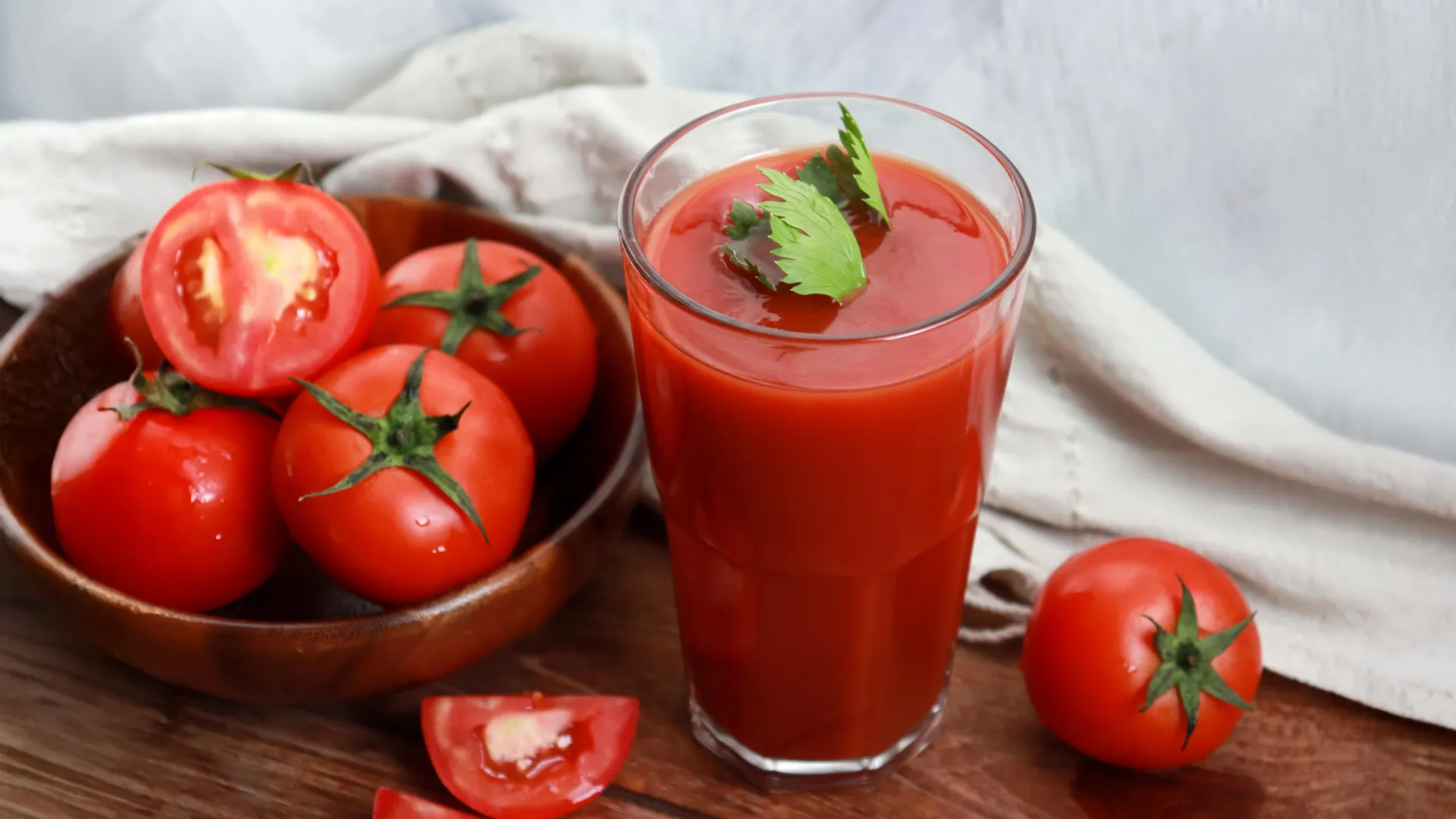
In this controlled study, 12 healthy adults with obesity consumed two 6-ounce cans of a specialized tomato-soy juice daily for four weeks. The juice was not a standard supermarket beverage; it was engineered to contain high concentrations of lycopene, a carotenoid that gives tomatoes their deep red pigment, and fortified with soy isoflavones, plant compounds known for their estrogen-mimicking properties.
After a four-week "washout" period to reset their systems, participants consumed a control tomato juice that lacked the enhanced lycopene and soy fortification. The results were striking: blood analysis revealed significant reductions in three specific proteins—Interleukin (IL)-5, IL-12p70, and granulocyte-macrophage colony-stimulating factor (GM-CSF)—all of which are key indicators of immune system-driven inflammation.
While researchers also observed a decline in tumor necrosis factor alpha (TNF-a), the reduction did not reach statistical significance. Nevertheless, the study successfully demonstrated that the specific combination of tomato and soy agents exerted a measurable, anti-inflammatory effect that the control juice could not replicate.
A Chronology of Discovery: From Prostate Health to Systemic Modulation
The journey toward this discovery did not begin in a laboratory vacuum; it is the culmination of decades of research into the synergy between plant-based nutrition and disease prevention.
Early Foundations
Years ago, Ohio State researchers began investigating the epidemiological links between diets high in tomato products and a reduced risk of prostate cancer. These early studies suggested that the compounds within tomatoes were not just nutritional—they were functional, acting in ways that could potentially thwart the progression of malignant cells.
Building the Intervention
Recognizing the potential of these compounds, the team developed a "functional" juice. They utilized tomatoes specifically bred for their high lycopene content and enriched the beverage with soy isoflavone extract. Previous trials using this specific formulation found that increased consumption was linked to lower prostate-specific antigen (PSA) levels in men suffering from prostate cancer, offering a glimmer of hope for dietary management of the disease.
The Human Clinical Trial
With evidence mounting from both animal models and clinical observations, the team decided to test the juice in a more controlled, human-centric environment. The study involving adults with obesity was designed to isolate the impact of the juice on the inflammatory cascade. By comparing the enriched juice against a low-carotenoid control, the team could isolate the specific biological impact of the additives, moving the conversation from anecdotal "healthy eating" to clinical metabolic modulation.
The Mechanics of Nutrition: Why Tomatoes and Soy?
To understand why these specific plants were chosen, one must look at the biochemistry of phytochemicals.
The Role of Lycopene
Lycopene is more than a pigment; it is a potent antioxidant. As a carotenoid, it helps protect plant cells from environmental stressors. When consumed by humans, it is absorbed into the bloodstream and deposited in tissues, where it is believed to neutralize free radicals and inhibit pro-inflammatory signaling pathways.
The Role of Soy Isoflavones
Soy isoflavones are a class of flavonoids that interact with the body’s endocrine system. By mimicking certain actions of estrogen, these compounds can influence cellular behavior in ways that may reduce oxidative stress.
"The hypothesis is that it’s the lycopene from the tomatoes and the isoflavones from the soy that’s inducing the effect," says lead author Jessica Cooperstone, an associate professor of horticulture and crop science at The Ohio State University. By combining these two, researchers are essentially creating a biological "one-two punch" against the mechanisms that trigger chronic inflammation.
Metabolomics: Looking Beyond the Surface
One of the most fascinating aspects of the study was the use of metabolomics—the study of the "chemical fingerprints" left behind by biological processes. By analyzing urine samples, the team tracked how the body broke down the juice and how those metabolites shifted within the participants’ systems.
The findings revealed that while both the control and the test juice produced some metabolic changes—suggesting that tomatoes possess intrinsic health benefits even without high-level fortification—the tomato-soy blend caused distinct shifts related to soy isoflavone metabolism. This confirms that the intervention was not just passing through the digestive tract, but was actively influencing human biological pathways at a systemic level.
Official Perspectives and Future Directions
The implications of this study are profound, particularly for conditions that currently lack robust treatment options. The research team, led by Cooperstone, has already secured funding from the National Institute of Diabetes and Digestive and Kidney Diseases (NIDDK) to launch a pilot clinical trial for patients with chronic pancreatitis.
Addressing the Treatment Gap
Chronic pancreatitis is a debilitating condition characterized by persistent inflammation of the pancreas, often resulting in severe pain and significant nutritional deficiencies. Currently, clinical management is largely palliative—focused on managing symptoms rather than addressing the root cause.
"Our hypothesis is that the tomato-soy juice may serve as an intervention to decrease inflammation and hopefully increase patients’ quality of life," says Cooperstone. This pivot from general health maintenance to targeted disease management represents a major leap in how functional foods are utilized in modern medicine.
The Demand for Rigorous Science
The research team is acutely aware of the skepticism surrounding "superfoods." By pursuing clinical trials, they are setting a new standard for the industry. "Can we use food-based interventions to modulate inflammation?" Cooperstone asks. "And can we test this in a rigorous way so that we can really see this is affecting inflammation, versus just saying something is anti-inflammatory?"
The team’s methodology, involving blood cytokine tracking and urine metabolomics, provides the kind of hard data that regulators and medical professionals require before recommending dietary changes as therapeutic interventions.
Implications for Public Health
The broader impact of this research is a potential shift in the paradigm of preventative medicine. As obesity rates climb globally, the prevalence of associated inflammatory diseases is putting an unprecedented strain on healthcare systems. If a simple, nutrient-dense beverage can be used to modulate inflammation, it could provide a scalable, low-cost tool for public health officials to combat the early stages of chronic illness.
However, the researchers remain cautious. This study was a pilot involving 12 participants; it serves as a proof-of-concept rather than a final recommendation for mass consumption. The next phase of research will determine whether these findings hold up in larger, more diverse populations and whether the anti-inflammatory benefits can be sustained over long-term consumption.
Conclusion
The study published in Molecular Nutrition & Food Research serves as a testament to the power of interdisciplinary science. By bridging horticulture, crop science, and clinical medicine, the researchers at The Ohio State University are uncovering the hidden potential of the food we eat.
As the upcoming pancreatitis trial gets underway, the scientific community will be watching closely. If the tomato-soy juice can indeed offer relief to patients with chronic pancreatitis, it may prove that the most effective medicine is not always found in a pharmacy, but in the deliberate, scientific application of the natural world’s most potent ingredients. The future of health may well be a glass of juice away.