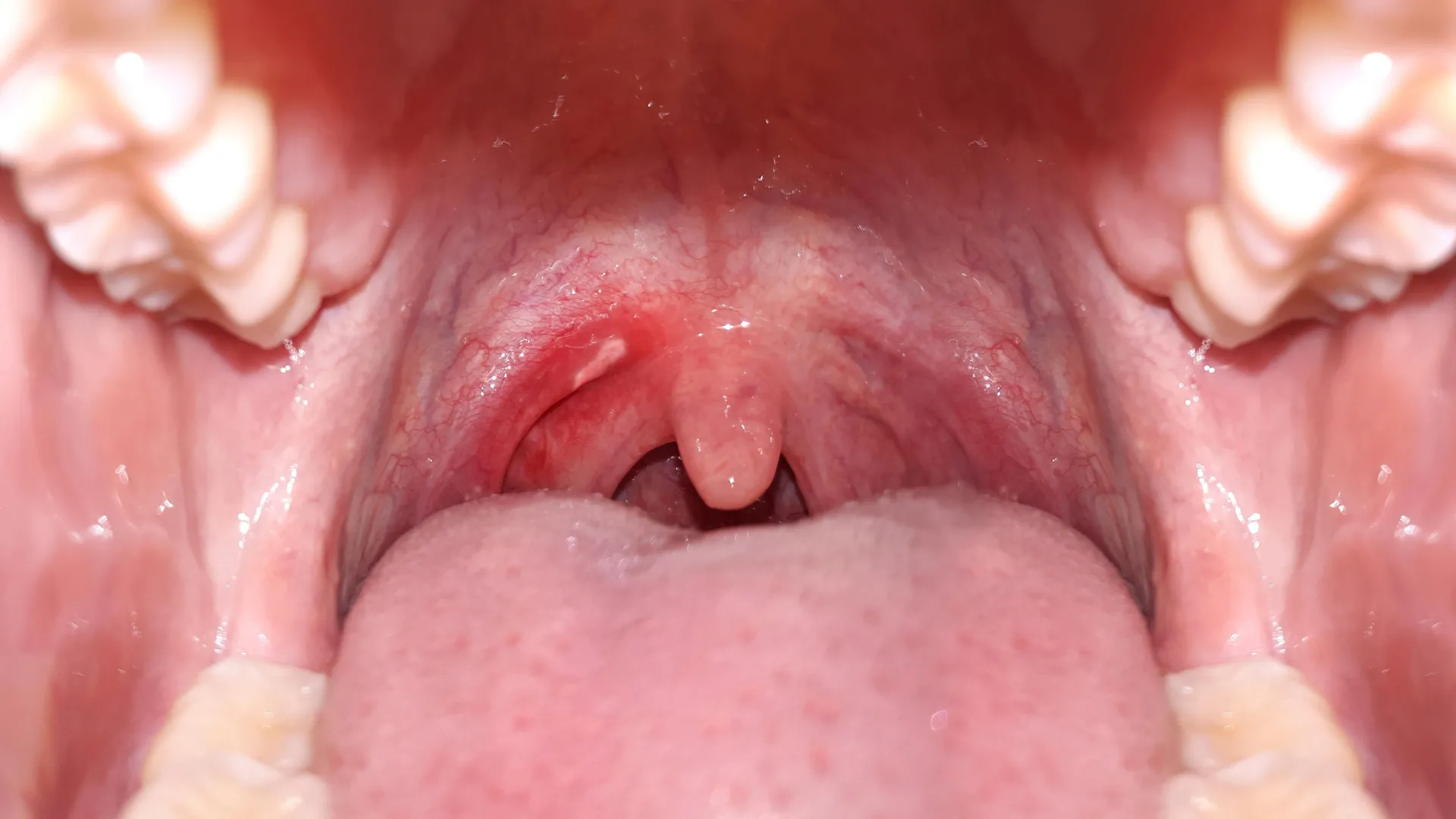
In the landscape of global public health, few crises are as pressing yet under-addressed as the rising incidence of mouth cancer in India. A sweeping new comparative study published in the open-access journal BMJ Global Health has unveiled a sobering reality: there is no "safe" threshold for alcohol consumption when it comes to the risk of buccal mucosa cancer—the cancer of the soft tissue lining the cheeks and lips.
The research indicates that even minimal daily alcohol intake—as little as 9 grams, or roughly one standard drink—correlates with a 50% increase in the risk of developing this aggressive malignancy. Perhaps more alarmingly, the study highlights that when alcohol is paired with chewing tobacco, the synergy creates a public health "perfect storm," accounting for an estimated 62% of all buccal mucosa cancer cases across the nation.
The Magnitude of the Crisis: A Statistical Overview
Mouth cancer has solidified its position as the second most common cancer in India, representing a significant burden on the country’s healthcare infrastructure. Current estimates suggest approximately 143,759 new diagnoses and 79,979 deaths annually. With incidence rates creeping toward 15 cases per 100,000 Indian men, the trend is moving in a distressing direction.
The prognosis for those diagnosed remains bleak. The buccal mucosa, which acts as a primary barrier for the oral cavity, is particularly vulnerable to carcinogenic exposure. Survival outcomes reflect this severity, with a five-year survival rate of just 43%. These numbers are not merely statistics; they represent a systemic failure to address the intersectional habits of alcohol and tobacco use that define the lifestyle of millions of Indians.
A Longitudinal Investigation: Methodology and Scope
To disentangle the complex relationship between alcohol, tobacco, and oral health, researchers undertook a massive comparative study between 2010 and 2021. By recruiting 1,803 patients diagnosed with buccal mucosa cancer and 1,903 healthy control subjects from five major study centers, the team created a comprehensive data set.
The demographic focus was primarily on adults between 35 and 54 years old, though the researchers noted a concerning trend: nearly 46% of all cancer cases identified in the study cohort were found in individuals aged 25 to 45, suggesting that the disease is increasingly affecting the most economically productive segments of the population.
Tracking Diverse Consumption Habits
The study’s strength lies in its granularity. Participants were interviewed about their history of substance use, covering 11 internationally recognized alcoholic beverages—such as beer, whisky, rum, and vodka—and 30 types of locally brewed, often unregulated, spirits. These included apong, bangla, chulli, desi daru, and mahua.
By mapping these consumption habits against detailed tobacco usage histories—including the type of smokeless tobacco and the duration of the habit—the researchers were able to quantify the individual and combined risks associated with these substances.
The Synergy of Destruction: Alcohol and Tobacco Interaction
The data revealed a stark reality: alcohol and tobacco are rarely isolated risks. In the cancer cohort, 781 participants were alcohol drinkers, while 1,019 were non-drinkers. In the control group, only 481 consumed alcohol, while 1,420 abstained.
The most profound finding, however, was the "multiplier effect." While alcohol consumption alone increased the risk of buccal mucosa cancer by 68% compared to non-drinkers, the simultaneous use of alcohol and chewing tobacco resulted in a more than fourfold increase in risk.
Why Alcohol Damages the Oral Lining
The researchers propose a biological mechanism for this synergy. Ethanol is believed to alter the lipid composition of the oral mucosa, effectively thinning or damaging the protective barrier of the cheek lining. This chemical alteration makes the tissue more permeable, allowing the potent carcinogens found in chewing tobacco to penetrate deeper into the cellular structure. Essentially, alcohol acts as a solvent that "opens the door" for tobacco toxins, accelerating the progression of pre-cancerous lesions into invasive malignancies.
The Danger of Locally Brewed Spirits
A critical component of this study is the distinction between commercial alcohol and locally brewed varieties. The data showed that those who consumed internationally recognized beverages faced a 72% higher risk of cancer. However, for those who favored locally brewed alcohol, the risk surged to 87%.
The researchers point to a lack of oversight in the production of these rural spirits. Because the market for locally brewed liquor remains largely unregulated, these products often contain toxic contaminants, including high concentrations of methanol and acetaldehyde. Some samples tested during the study contained alcohol content as high as 90%. Given that these drinks are frequently cheaper and more accessible in rural areas, they represent a hidden, lethal vector for oral disease.
Regulatory Complexity and Public Policy
The study underscores a fundamental tension in Indian governance: the struggle to regulate a substance that falls under both central and state jurisdictions. Under the Seventh Schedule of the Indian Constitution, the regulation of alcohol production and sale is primarily a state power. This fragmented legal framework has resulted in a patchwork of enforcement, leaving the rural, unregulated liquor market largely untouched by health safety standards.
Public health experts involved in the study argue that this regulatory vacuum is a primary contributor to the high incidence of cancer in states like Meghalaya, Assam, and Madhya Pradesh. In these regions, where local brewing is deeply entrenched in cultural practice, the proportion of cancer cases attributable to alcohol rises to 14%.
Implications for Future Prevention
The implications of this research are clear and urgent. The study concludes that there is no safe limit of alcohol consumption for buccal mucosa cancer risk. Even trace amounts, such as less than 2 grams of alcohol per day, were found to be associated with an increased risk.
A Path Forward
The authors emphasize that the elimination of this cancer is a reachable, albeit daunting, goal. Their recommendations include:
- Stricter Regulatory Oversight: Implementing national standards for the production of locally brewed alcohol to remove toxic contaminants like methanol.
- Public Health Awareness Campaigns: Moving away from the "moderation" narrative. Instead, public health messaging must emphasize that for those who use tobacco, even "social" or "occasional" drinking creates a significant physiological risk.
- Targeted Interventions: Focusing screening and educational efforts on rural populations where the combination of unregulated spirits and chewing tobacco is most prevalent.
- Legislative Reform: Harmonizing state and central policies to ensure that the regulation of alcohol is based on public health outcomes rather than revenue generation.
The study serves as a definitive call to action. By addressing the toxic synergy between alcohol and tobacco, India has the potential to drastically reduce one of its most burdensome cancers. As the data shows, the path to a healthier future requires not just medical innovation, but a fundamental shift in how the nation views the intersection of tradition, regulation, and personal health.
Ultimately, the message from the BMJ Global Health study is unequivocal: the human cost of current consumption patterns is unsustainable. Without decisive intervention, the steady climb of mouth cancer rates will continue to devastate families and overwhelm the nation’s health resources. The time for comprehensive, evidence-based policy has arrived.