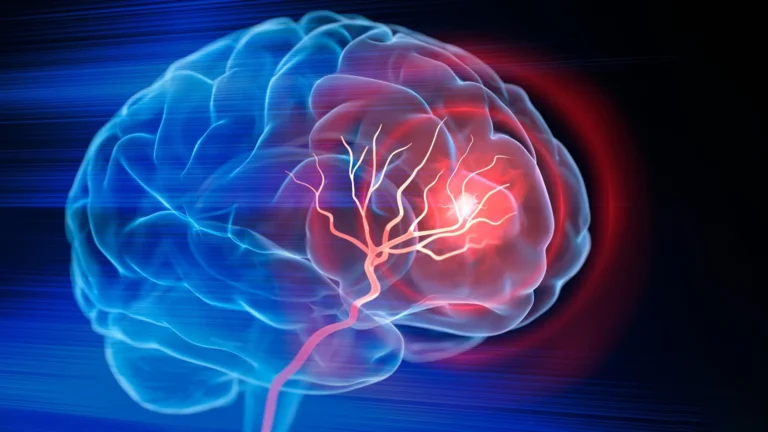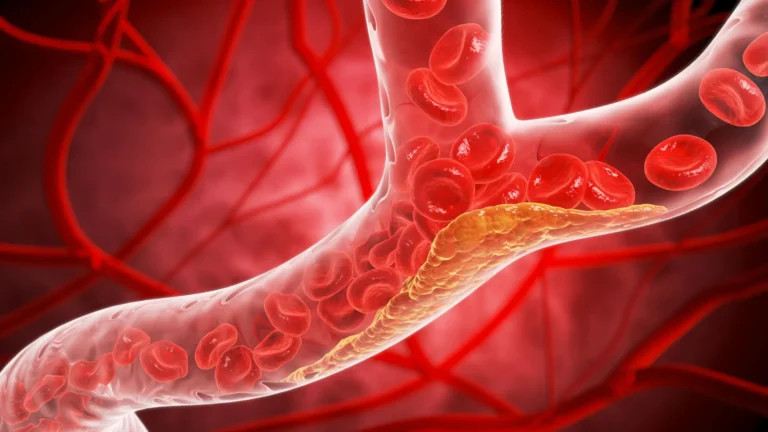
In a significant breakthrough that could reshape how clinicians approach the early detection of dementia, researchers at Nanyang Technological University, Singapore (NTU Singapore) have identified a critical biomarker for Alzheimer’s disease. The study, led by the Lee Kong Chian School of Medicine (LKCMedicine), suggests that the brain’s waste-removal system—specifically, small channels known as "enlarged perivascular spaces"—frequently becomes blocked in patients exhibiting early signs of cognitive decline.
These "clogged drains" effectively prevent the brain from flushing out harmful toxic proteins, such as beta-amyloid and tau, which are the hallmark signatures of Alzheimer’s pathology. Because these blockages are visible on routine magnetic resonance imaging (MRI) scans, they represent a potential "early warning signal" that could be integrated into existing diagnostic workflows without the need for expensive or invasive additional testing.
The Mechanics of Brain Waste: Why Drainage Matters
To understand the magnitude of this discovery, one must first understand the brain’s unique physiology. Unlike other organs that rely on the lymphatic system to clear metabolic waste, the brain utilizes a specialized network of channels known as perivascular spaces. These spaces surround blood vessels and serve as a conduit for clearing away cellular debris and toxic proteins.
When this system functions optimally, it ensures that proteins like beta-amyloid and tau—which are toxic to neurons in high concentrations—are efficiently flushed out. However, as the brain ages or begins to succumb to neurodegenerative processes, these channels can become obstructed. When these pathways enlarge, they become distinct, visible markers on standard MRI scans.
For years, clinicians have noted these enlarged spaces but were often unsure of their clinical significance. The NTU study, conducted as part of the school’s Bachelor of Medicine and Bachelor of Surgery programme, provides the most compelling evidence to date that these structural anomalies are not mere signs of aging, but are intrinsically linked to the earliest stages of Alzheimer’s disease.
A Crucial Pivot: Why Asian Populations Require Targeted Research
One of the most profound aspects of the NTU study is its demographic scope. Historically, the vast majority of Alzheimer’s research has been conducted on Caucasian cohorts in Western nations. This has created a "knowledge gap" in how the disease manifests across different genetic and environmental contexts.
The NTU team analyzed data from nearly 1,000 participants in Singapore, a multi-ethnic population that offers a diverse genetic landscape. This focus is vital because dementia does not affect all ethnic groups uniformly. Associate Professor Nagaendran Kandiah, the study’s lead researcher and Director of the Dementia Research Centre (Singapore) at LKCMedicine, points to the "apolipoprotein E4" (APOE4) gene as a primary example.
In Caucasian dementia patients, the prevalence of the APOE4 gene—a major risk factor for Alzheimer’s—often ranges between 50 and 60 percent. Conversely, among Singaporean dementia patients, that figure drops to below 20 percent. This stark disparity underscores a fundamental truth in neurology: findings extrapolated from one population cannot always be applied to another. By grounding their research in an Asian context, the NTU team has provided a more nuanced and globally applicable understanding of Alzheimer’s pathology.
Chronology of the Study: From Observation to Analysis
The research was structured to bridge the gap between structural brain changes and biochemical markers of disease. The study followed a rigorous, multi-stage methodology:
- Cohort Selection: The researchers recruited nearly 1,000 individuals, categorized into those with normal cognitive function and those exhibiting mild cognitive impairment (MCI). MCI is characterized by memory loss, reduced thinking speed, and mood changes that are not yet severe enough to be classified as dementia but represent a significant risk factor for future decline.
- MRI Assessment: Using high-resolution MRI, the team measured the prevalence and size of perivascular spaces across the brain.
- Biochemical Correlation: In a critical step, the team analyzed blood samples for seven distinct biochemical markers associated with Alzheimer’s, including specific concentrations of beta-amyloid and tau proteins.
- Comparative Analysis: The researchers compared the "clogged drain" findings against traditional indicators of brain health, such as white matter damage—the degradation of the nerve fiber networks that allow different brain regions to communicate.
Supporting Data: The Strength of the Link
The results were statistically significant. Participants with mild cognitive impairment were consistently more likely to show enlarged perivascular spaces than those with normal cognitive function.
Furthermore, when the team correlated these structural findings with blood-based biochemical markers, the connection became even clearer. Enlarged perivascular spaces were directly linked to four of the seven markers of Alzheimer’s. Most intriguingly, in patients with mild cognitive impairment, the correlation between these clogged drainage channels and Alzheimer’s-related blood markers was actually stronger than the correlation with white matter damage.
This suggests that the "clogged drain" phenomenon is not just a secondary symptom; it is a primary, early-stage indicator of the neurodegenerative process. It appears that the efficiency of the brain’s waste-removal system is one of the first things to falter, potentially preceding the more widespread structural damage typically associated with advanced dementia.
Official Responses and Expert Clinical Perspectives
The medical community has reacted to these findings with a mix of optimism and clinical caution.
"These findings are significant because they suggest that brain scans showing enlarged perivascular spaces could potentially help identify people at higher risk of Alzheimer’s disease, even before symptoms appear," said Dr. Rachel Cheong Chin Yee, a Senior Consultant and Deputy Head at Khoo Teck Puat Hospital’s Department of Geriatric Medicine. Dr. Cheong, who was not involved in the study, emphasized that this could be a game-changer for early-stage intervention.
Dr. Chong Yao Feng, a Consultant at the National University Hospital’s Division of Neurology and Clinical Assistant Professor at NUS, noted that the study challenges the traditional separation of cerebrovascular disease (issues with blood vessels) and Alzheimer’s.
"The study’s findings are intriguing as they demonstrate that both diseases do interact in a synergistic manner," Dr. Chong stated. He advises that clinicians must be careful when interpreting MRI scans. When they see these enlarged spaces, they should not automatically assume it is purely a vascular issue. It may instead be a "canary in the coal mine" for underlying Alzheimer’s. "Doctors will then have to use their clinical judgment… to determine if more checks are needed," he added.
Implications for the Future: Early Detection and Treatment
The most exciting implication of this research is the potential for earlier intervention. Currently, by the time many patients are diagnosed with Alzheimer’s, significant and irreversible brain damage has often already occurred.
If physicians can use routine MRI scans—which are already standard in the assessment of cognitive decline—to spot these enlarged perivascular spaces, they can initiate preventative strategies years sooner. Whether through lifestyle modifications, blood pressure management, or emerging pharmacological treatments, catching the disease in its "pre-symptomatic" phase is the "holy grail" of dementia research.
Justin Ong, the study’s first author and a fifth-year LKCMedicine student, emphasized that this early window is critical. "Identifying Alzheimer’s sooner gives doctors more time to intervene and potentially slow the progression of symptoms," he noted.
The Road Ahead: Longitudinal Validation
While the results are promising, the research team is not resting on its laurels. The next phase of the project involves longitudinal tracking. By following the original cohort over several years, the researchers aim to confirm exactly how many individuals with enlarged perivascular spaces go on to develop clinical dementia.
If these findings hold up in longitudinal studies, the medical community may soon see a change in diagnostic guidelines. A simple check of the perivascular spaces on an MRI could become a routine, non-invasive, and cost-effective tool to flag individuals for closer monitoring.
As the global population ages, the burden of Alzheimer’s is set to climb. Breakthroughs like those from NTU Singapore offer a path forward—not just in understanding the biological "clogs" that cause the disease, but in clearing the way for earlier, more effective, and more personalized patient care. The future of dementia treatment may well lie in the brain’s own plumbing, and for the first time, we have a clearer view of where the pipes are failing.