In a breakthrough that challenges conventional understandings of medical intervention, researchers at the Università Cattolica del Sacro Cuore in Milan have uncovered evidence suggesting that the human mind can significantly influence the aging process through the "placebo effect." Even more radical is the finding that these health benefits persist—and in some cases strengthen—when individuals are fully aware that the treatment they are receiving contains no active medicinal ingredients.
The study, recently published in the International Journal of Clinical and Health Psychology, suggests that the power of belief, intention, and the ritual of self-care can tangibly improve physical performance and cognitive function in older adults. By bridging the gap between psychology and gerontology, this research opens the door to a new, ethically sound approach to supporting healthy aging that relies on the inherent capabilities of the human brain.
The Core Findings: Redefining the Placebo
The research, led by a team of prominent psychologists including Diletta Barbiani, Alessandro Antonietti, and Francesco Pagnini, was designed to investigate whether placebos could mitigate the natural decline of abilities often associated with the aging process. The team recruited 90 healthy older adults to participate in a three-week trial, dividing them into three distinct cohorts:
- The Control Group: Participants who received no intervention.
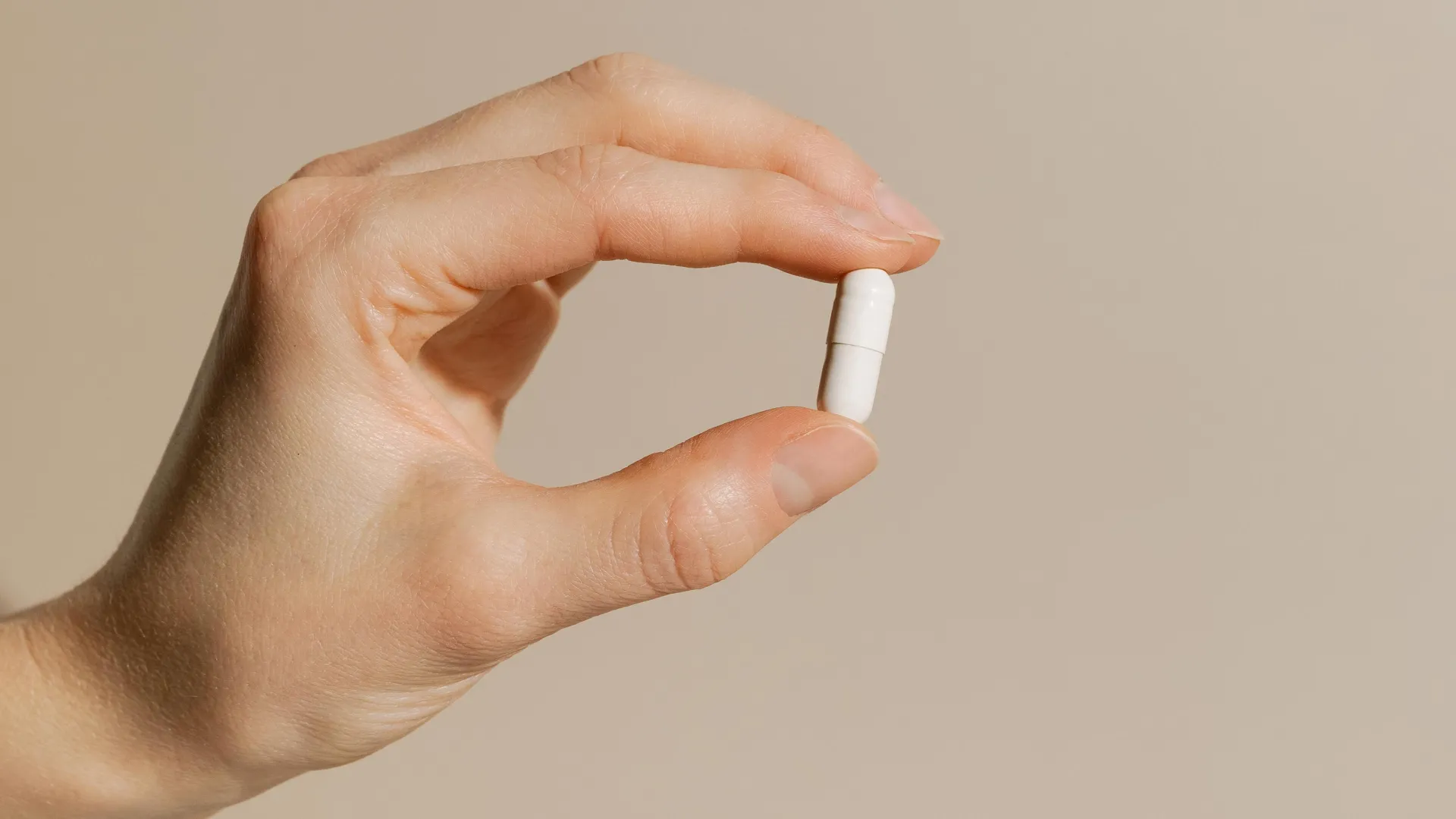
- The Deceptive Placebo Group: Participants who were told they were receiving active supplements designed to boost physical and cognitive health.
- The Open-Label Placebo Group: Participants who were explicitly informed that their pills were placebos but were educated on how the mind-body connection can trigger positive physiological responses.
The results were striking. After just 21 days, both groups receiving placebos showed marked improvements in both cognitive tasks and physical performance compared to the control group. Perhaps most counter-intuitively, the "open-label" group—those who knew the pills were fake—showed significant, and in some metrics superior, improvements in stress reduction and cognitive agility.
A Chronology of the Investigation
The journey to these findings began with a broader objective: to determine if the "placebo effect" is a relic of medical deception or a psychological tool that can be harnessed consciously.
Phase I: Preparation and Baseline Assessment
Before any pills were administered, the research team established a baseline for all 90 participants. This involved a rigorous battery of psychological and physiological tests. Participants were surveyed on their perceived levels of stress, fatigue, optimism, and self-efficacy. They were also asked to report their internal stereotypes about aging—a factor the researchers believed might influence how they responded to the study. Objective tests were then conducted to measure short-term memory, selective attention, and physical mobility.
Phase II: The Three-Week Intervention
Over the course of three weeks, the participants followed their assigned protocols. The study was conducted as part of the broader Age-IT project, supported by PNRR grants, emphasizing the national priority placed on finding sustainable ways to improve the quality of life for an aging population. Throughout this period, the researchers maintained regular check-ins to monitor the psychological states of the participants.
Phase III: Post-Intervention Analysis
Upon the conclusion of the three weeks, the participants underwent the same battery of tests used during the baseline assessment. The data revealed that the intervention was not merely a subjective feeling of "doing better," but a measurable shift in physical and cognitive capacity. The results were then peer-reviewed and analyzed to ensure the statistical significance of the findings, leading to the eventual publication of the study in the International Journal of Clinical and Health Psychology.
Supporting Data: By the Numbers
The statistical data generated by the Università Cattolica team provides a compelling argument for the efficacy of the mind-body connection. The metrics indicate that the placebo effect is not merely a placebo of "feeling," but one of "functioning."
Physical Performance Metrics
Physical performance metrics saw an impressive uptick across the board. The deceptive placebo group saw a 7% increase in physical performance, while the open-label group outperformed them with a 9.2% increase. These gains suggest that the act of participating in a health-oriented regimen—even when one knows the supplement is inert—can trigger behavioral changes or neurological pathways that enhance physical vigor.
Cognitive Performance Gains
The cognitive improvements were perhaps the most significant aspect of the research. In short-term memory tasks, the gains were substantial:
- Deceptive Placebo Group: Scores increased by 12.6% to 14.6% depending on the test.
- Open-Label Placebo Group: Scores improved by as much as 6.9% to 21.5%.
The variability in the open-label group suggests that for some, the conscious awareness of the placebo effect may actually act as a stronger catalyst for improvement than deception, potentially because it fosters a sense of agency and empowerment in the participant.
Psychological Well-Being
Stress levels were notably lower among the open-label group. Researchers also observed a reduction in drowsiness and an increase in overall reported well-being. By stripping away the need for deception, the researchers found that they could achieve a "therapeutic alliance" with the participants, where the patient becomes a partner in their own health optimization.
Official Responses and Expert Perspective
Professor Francesco Pagnini, a Full Professor of Clinical Psychology at the Faculty of Psychology at Università Cattolica, has been a vocal proponent of this research. He views the study as a cornerstone of a new paradigm in gerontology.
"The study is part of an established line of research in which we analyze the role of the mind in aging processes," Pagnini states. "Our goal was to clarify whether an open-label placebo therapy could influence psychological, cognitive, and physical functions in older adults living in the community. We have found that the mind’s influence on the body is far more profound than previously recognized in a clinical setting."
When asked about the ethical implications of using placebos, Pagnini is clear: "The open-label approach is not only effective but ethically superior. We aren’t tricking the patient; we are inviting them to participate in a mind-body intervention where they are fully informed. It transforms the patient from a passive recipient of medicine into an active agent of their own health."
Implications for the Future of Healthy Aging
The findings from Milan carry significant weight for healthcare providers, policymakers, and the aging population at large.
The End of Deception?
For decades, the use of placebos in medicine has been marred by the ethical dilemma of deception. If a doctor must lie to a patient to induce a placebo effect, the foundation of trust is compromised. This study suggests that deception is unnecessary. By explaining to patients that the brain can influence the body’s health—and that the ritual of taking a pill can trigger that process—clinicians can achieve therapeutic results without compromising the truth.
A Low-Cost, High-Impact Strategy
As the global population ages, the burden on healthcare systems is increasing. Expensive drugs and interventions are not always the only answer. The research suggests that simple, non-pharmacological interventions could potentially supplement existing treatments. While the study does not suggest that placebos should replace essential medications for serious illnesses, it highlights a powerful tool for addressing the "soft" symptoms of aging—fatigue, mild cognitive decline, and stress.
The Power of Self-Perception
Perhaps the most profound implication is the role of self-perception in the aging process. The study supports the growing scientific consensus that thoughts, emotions, and self-stereotypes regarding aging can manifest in the physical body. By changing the narrative around aging from one of "inevitable decline" to one of "active maintenance," we may be able to slow the progression of age-related issues.
Conclusion: A New Frontier in Clinical Psychology
The research conducted at the Università Cattolica del Sacro Cuore marks a significant step forward in our understanding of human biology. By demonstrating that the placebo effect can be harnessed openly and ethically, the researchers have provided a roadmap for future studies.
As we look toward the future, the integration of mind-body interventions into routine geriatric care could provide millions of older adults with a safe, effective, and empowering way to maintain their cognitive and physical health. The "fake" supplement, it seems, has delivered a very real benefit—proving once and for all that when it comes to the aging process, the mind is not just an observer, but a primary participant.