










As we navigate the decades, our bodies undergo a natural, gradual evolution. Our joints—which have served as the silent shock absorbers for every step, jump, and climb of our lives—experience a natural reduction in cartilage integrity and synovial lubrication. When you combine these physiological shifts with the age-related loss of muscle mass (sarcopenia) and the cumulative impact of past injuries, it becomes clear that our approach to fitness must evolve.
The goal of physical activity after 60 should shift from "stressing the system" to "building resilience." According to Doug Bertram, M.S., L.Ac., MTCM, founder and CEO of the orthopedic wellness brand Structural Elements®, the most effective fitness regimens for seniors prioritize movement quality over raw intensity.
"No exercise is inherently bad," Bertram explains, "but certain movements are more likely to aggravate knee pain when they exceed an individual’s current strength, mobility, balance, or recovery capacity. After 60, the goal should be to build resilience rather than simply tolerate stress. When the body moves more efficiently as a system, stress on the knees often decreases, allowing people to remain active, independent, and comfortable for years to come."
In this comprehensive guide, we explore five common exercises that may be doing more harm than good for your knees, along with expert-backed alternatives designed to keep you moving safely.
1. The Hidden Strain of Knee Extensions
The knee extension machine, a staple in many commercial gyms, is often marketed as the "go-to" for quad isolation. However, for the aging athlete, this machine can be counterproductive.
The Mechanics of the Problem
The knee extension machine forces the joint through an arc of motion while placing significant isolated tension on the patellofemoral joint (the area where the kneecap meets the thigh bone). Because the movement is performed in a fixed path, it does not require the stabilization of the hips or core, nor does it replicate the functional, weight-bearing patterns of daily life.
The Superior Alternative: The Sit-to-Stand
Instead of isolating the quadriceps, Bertram recommends the sit-to-stand exercise.
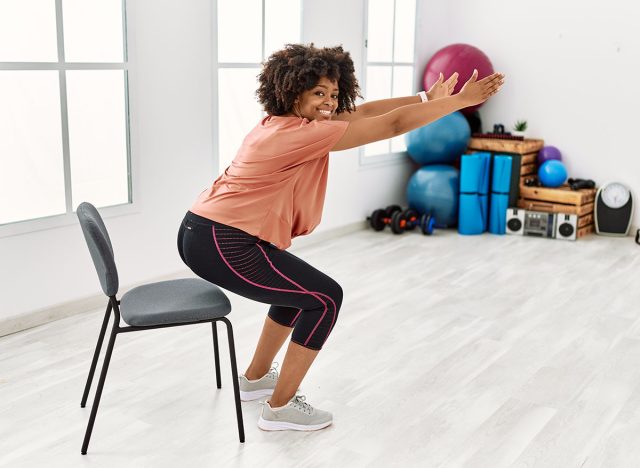
- Why it works: This movement strengthens the quadriceps while simultaneously integrating the hips, core, and balance systems. It mirrors the fundamental movement of rising from a chair or sofa, which is essential for maintaining long-term independence.
- How to perform: Sit on a sturdy chair, keep your chest upright, and use your leg muscles—not momentum—to stand up. Slowly lower yourself back down with control.
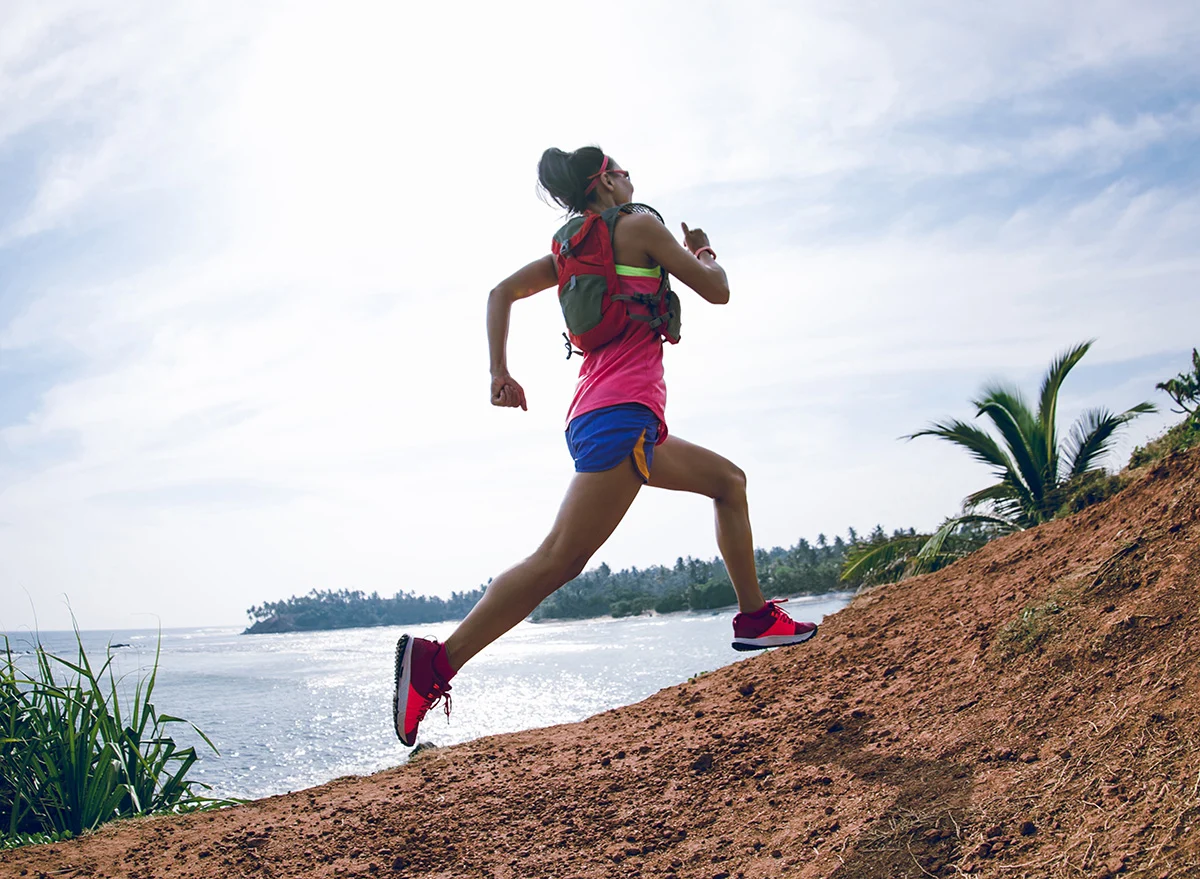
2. Rethinking High-Impact Running
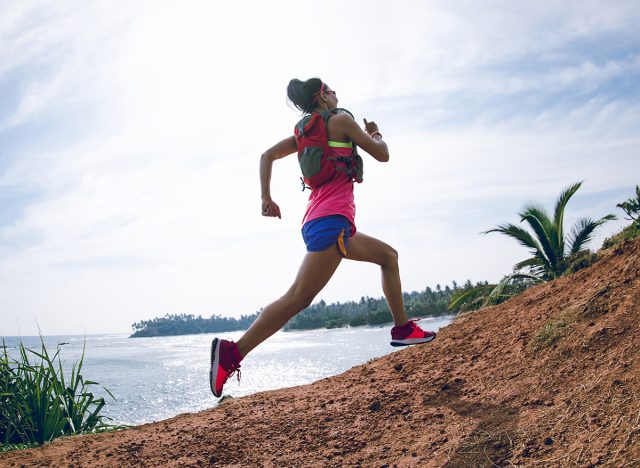
For many, running is synonymous with cardiovascular health. However, as cartilage thins, the high-impact nature of running on hard surfaces like concrete or asphalt can accelerate wear and tear, especially if recovery capacity has diminished.
The Impact Factor
Each time your foot strikes the ground during a run, your knees absorb a force several times your body weight. For an aging joint, this repetitive loading can lead to inflammation, stiffness, and chronic discomfort.
The Cardiovascular Pivot: Incline Walking
Bertram suggests that seniors can achieve an equivalent cardiovascular challenge by shifting to brisk uphill walking or incline treadmill sessions.
- The Benefit: Walking on an incline increases the heart rate and engages the glutes and hamstrings significantly more than flat-ground walking, all while drastically reducing the impact forces on the knee joint. It allows for a high-intensity workout without the "pounding" that often leads to joint degradation.
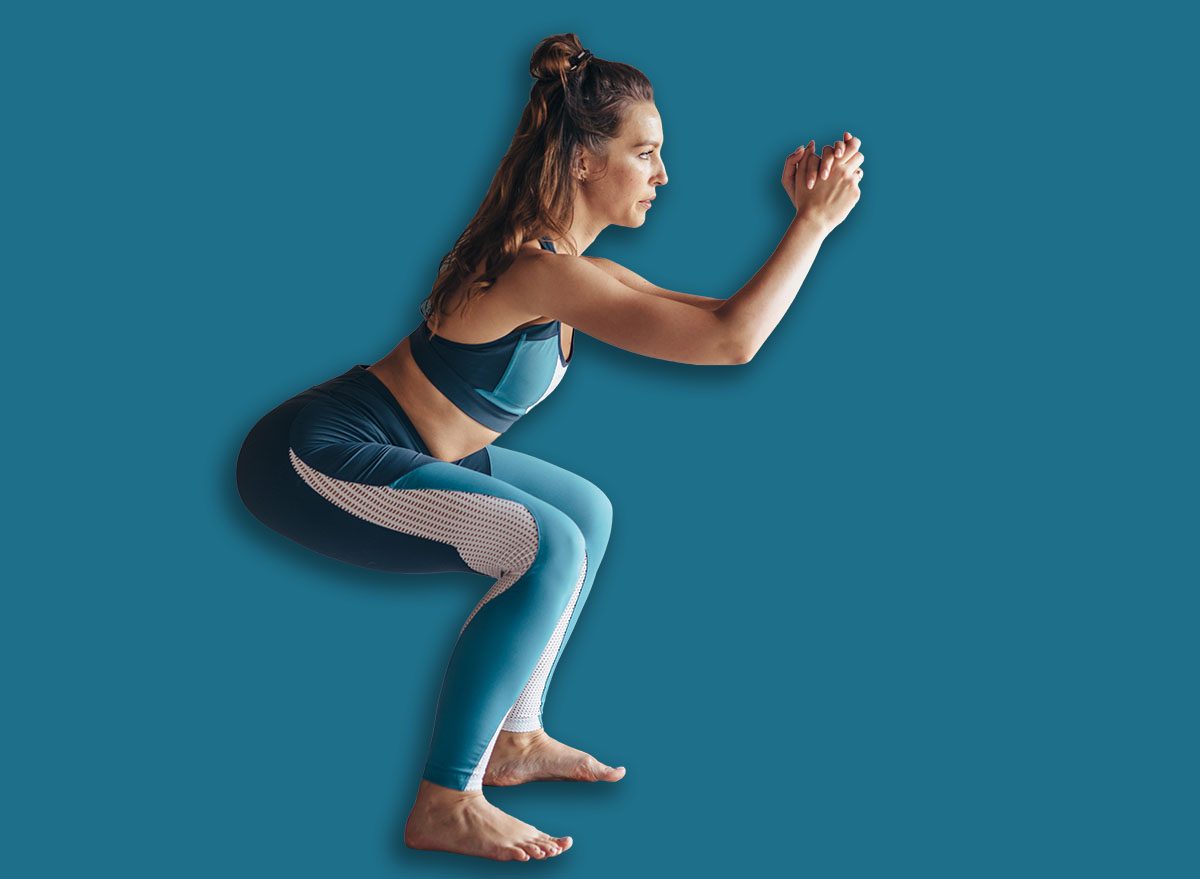
3. Deep Squats and Ankle Mobility
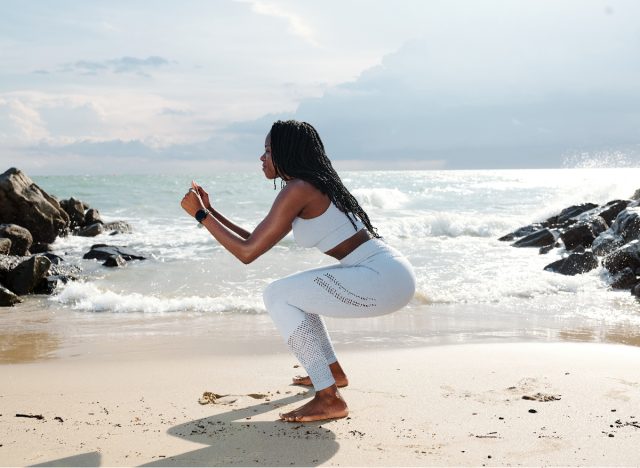
Deep squats are often touted as the "king of exercises" for leg strength. However, "deep" is a relative term that depends heavily on an individual’s unique mobility profile.
Why They Can Be Problematic
"Deep squats are not inherently harmful," notes Bertram, "but limited ankle and hip mobility often force the knee to absorb more stress than necessary." When the ankles are stiff, the body compensates by shifting the load forward into the knees during the bottom phase of the squat, which can lead to shearing forces that damage the joint capsule.
The Smart Swap: Box Squats
To maintain leg strength without the risk, incorporate box squats.
- Execution: Place a box or bench behind you. As you squat, focus on "sitting back" toward the box rather than dropping straight down.
- The Result: This encourages proper hip loading and reinforces sound movement mechanics, allowing you to work safely within your current mobility limitations while protecting your knees.
4. The Risks of Walking Lunges
Walking lunges are dynamic and effective for building stability, but they are also technically demanding.
The Shear Force Dilemma
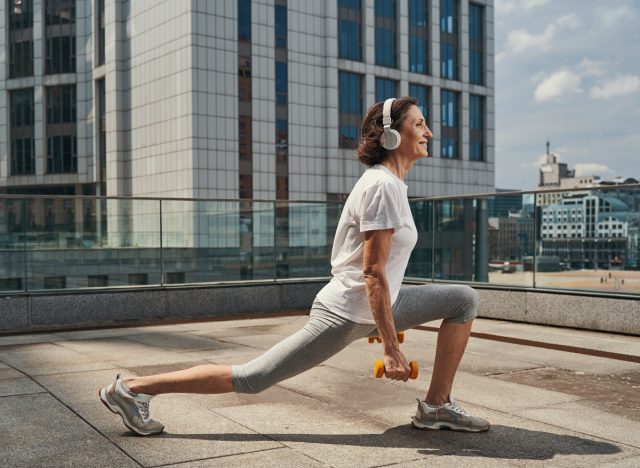
Walking lunges require a significant amount of coordination and core stability. If the quads or glutes fatigue during the movement, the knee often begins to cave inward (valgus collapse). This creates excessive shear forces on the knee, which can be particularly damaging for those with pre-existing meniscus or ligament issues.
The Stability Alternative: Step-Ups
"For walking lunges, step-ups offer many of the same strength benefits while providing greater control over knee alignment and loading," Bertram advises.
- Why it works: Step-ups allow you to focus on the alignment of your knee over your ankle and toes in a stable, controlled environment. You can adjust the height of the step to match your current capability, ensuring that you are building strength without compromising joint health.
5. Moving Away from Box Jumps
Plyometrics—or explosive jumping—is excellent for bone density and power. However, the landing phase is where the trouble begins for many people over 60.
The Recovery Challenge
Box jumps require the body to absorb the energy of the landing. If an individual lacks the requisite eccentric strength or joint stability, that energy is transferred directly into the knee joint.
The Power Alternative: Controlled Power Drills
Instead of jumping, Bertram suggests focusing on controlled power and balance drills.
- Recommended movements: Lateral stepping patterns, step-and-hold movements, or medicine ball exercises.
- The Goal: These exercises improve reaction time, coordination, and power production without the high landing forces associated with jumping. You maintain the "athletic" benefits of the movement while keeping the joints protected from the trauma of impact.
Implications for Long-Term Wellness
The transition into one’s 60s and beyond is not a signal to stop exercising—quite the opposite. Physical activity is the most critical factor in maintaining cognitive health, metabolic function, and independence. However, the methodology of training must shift.
Understanding "Movement Quality"
The professional consensus in orthopedic wellness is moving away from the "no pain, no gain" mentality of the past. Instead, the focus is on movement quality. When you prioritize how you move, you allow the surrounding musculature—the glutes, the calves, and the core—to take on the load that would otherwise fall on your knees.
A Holistic Approach
It is also vital to recognize that knee pain is often a symptom of issues elsewhere. Stiff ankles or weak hips frequently force the knees to overcompensate. By incorporating the alternatives mentioned above—sit-to-stands, box squats, and controlled step-ups—you are not just "protecting" your knees; you are retraining your entire lower body to function as a unified, resilient system.
When to Seek Professional Advice
While these recommendations are excellent for general wellness, they are not a replacement for medical advice. If you are experiencing sharp pain, swelling, or "locking" in your knee joints, it is essential to consult with a physical therapist or an orthopedic specialist. A professional can conduct a functional movement screen to identify your specific limitations and design a program tailored to your unique anatomy.
Conclusion
Your knees have been with you for every milestone of your life. Treating them with respect by choosing exercises that prioritize longevity over short-term "burn" is the best way to ensure they remain functional for the adventures still to come. By swapping high-impact movements for controlled, functional alternatives, you can build the strength you need to stay active, independent, and pain-free well into your golden years.